December 4, 2018… A cold, nearly winter, overcast Tuesday morning. Bicycle rides on Tuesdays are routinely on roads less traveled east of my home in Merced. On this day, there were three of us, Pete, Tom, and yours truly, on the saddles. It’s apparently different from when on horseback you’re in the saddle that’s on the horse’s back.
We were just making our way past the last of the pistachio orchards approaching the rangeland of the Sierra foothills when a little blue heeler spotted us, popped out of the rows of trees, and ran up to greet us.
There’s no other way to explain my reaction other than it was love at first lick. My second thought was I’m taking this dog home. I’ve always had the notion of adding to the long list of Labrador Retrievers canine family members we’ve kept over the past 32 years, either a Standard Poodle or an ACD, Australian Cattle Dog.
The Dilemma
Why a Standard Poodle? That’s easy, because of Charley, John Steinbeck’s Standard Poodle there for companionship and comic relief, was along for his journey in Travels with Charley.
Though I was only six when Travels was published—I read it later in college—the book touches on themes of nostalgia, identity, and the complexities of post WWII America. I vividly remember how Charley was more than a pet along for the ride. He was an essential character in Steinbeck’s assessment of the rapid change he witnessed taking place in post war America.
Homeward Bound
Why an ACD? Because Bluey, who lived to 29, holds the Guinness World Record as the “Oldest (verified) Dog to have Ever Lived”. Since longevity is a characteristic of ACD’s, and Skidboot’s intelligence declared him the “World’s Smartest Dog,” Heelers are the very embodiments of hearty stock with brains. Labs are friendly and playful, Poodles smart and sophisticated, but they live on average for 12 years. Note: neither ever earned titles of longevity and intelligence.
Skidboot (top) and Bluey
Of course, I would end up doing due diligence, stopping by the few residences along South Bear Creek and asking if they knew to whom this little blue heeler, perhaps less than a year old, belonged. I would then place ads in the local newspaper and list her on social media as lost. And I would contact the local county animal shelter and SPCA about her status and advice on the statute of limitations for claiming a “found” lost dog.
But honestly, the little blue heeler wasn’t lost. She found me and I was prepared to suffer the two weeks that is required before you can claim “ownership” of an abandoned animal. I can’t explain the anxiety I experienced in those two weeks… It bordered on heartbreak akin to that I felt longingly for Molly and Godiva, our yellow and chocolate Labs lost to old age and knowing that dogs only occupy the physical world for a short time but live on in our hearts and memories. The longer they live, the greater the memories.
On the ride home with SoBe, reluctantly tethered to my side by a leash fashioned from roadside rope, she must have been wondering, “what’s with this thing around my neck?” She couldn’t imagine how her life was about to change. I don’t know what perils she faced before I found her so it wasn’t hard to accept her pulling against the rope while I struggled to stay upright. I knew it was this little ACD’s fate to securely join Luna and Dakota, another pure bred English yellow and black Lab rescue respectively, that would erase any of her anxiety and add to the joy of yet another member of our pack. We own a Subaru. We’re dog people.
At the corner of Plainsburg Rd and E. South Bear Creek, as I looked at the signpost marking the intersection, a perfect name appeared to me. SoBe, from South Bear Creek. No, I did not name my dog for an iced-tea beverage from South Beach. I decided to call my wife to ensure safely bringing SoBe home as the traffic increases from this point to home.
The phone call went something like this:
“Hey sweetie, you’ll never know what I encountered on this morning’s bike ride,” “A damsel in distress…” I intoned.
“Oh, and so what is it that you needed to call me about your encounter?” my skeptical wife replied.
Thinking fast, I thought, “Well, I’m smitten with finding this pup’s home and since I’m getting closer to traffic, I thought you might be able to come fetch us in the Outback, you know, the dog friendly Subaru.”
I was amazed and somewhat shocked when my wife, after sighing, agreed to leave her work to meet us at SoBe’s namesake intersection. I knew she would resist my intent to keep SoBe. She’s skeptical of my “great ideas” about 85% of the time. So, I assured her that something this beautiful and sweet had to belong to someone. Only later I lamented the fact that SoBe was deliberately abandoned and she deserved so much more in life. I leveraged keeping her on that basis. My wife eventually relented. SoBe reigned in that 15% of good ideas!
Welcome to your forever home Now, just make it through the next two weeks…
The Interloper
“Who is this? She looks innocent enough?”
While sitting out the two week statute of limitations, we had SoBe vaccinated and spayed. With no response to two weeks of searching for her “owner” due diligence, we formally adopted SoBe, registering her with the county, getting vaccination tags and a name tag with our address and phone number.
As spirited and fearless as a heeler can by way of breeding be, SoBe quickly adapted to adoption and membership in our pack. Luna was the senior member but not the alpha. She was a goofy love bug. Dakota was a few years younger, arriving at our home a few years after Luna. She was a tad less jovial, nevertheless asserting herself alpha-like. This perhaps because as a rescued mix of German Shepherd and Labrador Retriever she may have been a little less “refined,” more given to instinct.
Boney, bone time
SoBe, bred to nip at the heels of animals a thousand times her mass, had chosen to be an unofficial “alpha,” age and/or instinct be damned, much to Dakota’s chagrin. There was always tension simmering between the two of them that might erupt as play would escalate to combat, not unlike that of the sibling rivalry between our two boys. Luna simply dismissed all of the dramatic posturing, finding Swiss-like neutrality leaving any quarreling to the late-comers.
A Dog Is (for) Life
It is as though I find myself in the same circumstance as Steinbeck in my own Sisyphus and Associates musings and screeds navigating encounters and insights, nostalgia and identity in contemporary America on my two-wheeled travels. Having SoBe long for me as I long for her when we are apart, has given me a portal to gratitude that the evening news, now 24-7, robs from me. I have found out there, on the road, traveling through the West such generosity, encouragement, and genuine curiosity. I have a sense that the America in the news or online, isn’t necessarily the America most of us know. I just know that trust is earned when it comes to people. When it comes to dogs, it’s just a lot easier to build. Now, how to acquire a side car to bring SoBe along for the ride…
Time Flies Like an Arrow
Since those early days introducing SoBe to our pack, we’ve lost Luna and Dakota. Well, sort of. Their ashes, along with Godiva’s are in our closet awaiting a fitting internment. Molly’s ashes are entombed in a boulder at the top of Chair 3 at Dodge Ridge where she spent her best years.
My intent is to continue sharing SoBe stories. SoBe is still with me, which means there’s more road to travel. This isn’t just about finding SoBe; it’s about what she replaced, what she has filled, what she represents in the ongoing cycle of love and loss that comes with keeping dogs. With all due respect to all of my family and friends, SoBe is my best friend.
Sisyphus and his Associate are on the road to the Ruby’s in NW Nevada
An August Ramble in the Sierra
Where, How Far, and When?
Lake Thomas A. Edison and the Mono Creek watershed
A recurring theme of Sisyphusdw7.com is place, distance, and time. There’s meeting people, too. Concerning the long form of this blog, I’m no Peter Egan. I admire Peter Egan as I admire John Steinbeck and Edward Abby. There are many others, (Wallace Stegner, Gerald Haslam, John McPhee, Bill Bryson) all of whom write of their observations of place, in time, often in travel, some fictionalized, that inspires this modest fellow’s aspirations for travel observation in my time.
While the clock and calendar cannot be denied, let’s see what Sisyphus is obsessed with these days now that there’s less of his future and more of his past.
What Determines Where and When We Ride?
To move from one location to another, exposed as one is on a motorcycle, consideration of conditions within a region, the climate and the impact of geography determines where and when we ride. Particularly over the reach of our explorations in the Western States, the majority of which involve camping on these exploits I have reported in Sisyphusdw7.com.
Elements such as weather and climate, elevation and terrain, population and public and private land use, state boundaries and their individual laws and civic codes, and road surface conditions all combine to determine the routes we take. We find ourselves rambling through regions as our best guess to where, how far, and when these elements will combine to yield the best results for a memorable ramble.
How Far?
When considering how far we can travel, time is of course a huge determinant in the distance we can reasonably cover notwithstanding all of the other variables. Using a somewhat knotty calculation, I arrive at an itinerary that is far from certain given any of those variables noted above that one might encounter. Our motto: Start slow and then taper…
Of the three rides planned for 2025, two are at present, complete. The spring ride to Three State Parks, over five days in perfect weather along the central coast over good roads, with modest daily mileage, combined for a memorable ramble.
The most recent summer jaunt, the August Ramble in the Sierra, three days in the Sierra over rough backroads was, despite a challenging sand crossing on Kaiser Pass Road, aces.
More about that ride follows.
A longer, seven day Ramble in the Ruby’s slated for early/mid September in Northeastern Nevada is too far out at at this time I’m writing to have reliable weather forecasts, but the unreliable 15 day forecasts are looking good. So, it will be whether weather will determine where, how far, and because we’ve established when to roll, how this ramble in the Ruby’s will pan out.
For the longest time, we wanted to head north and east to explore the basin and range of Northern Nevada, perhaps Oregon, Idaho, Montana and Wyoming.
From your middle school math and science class, you may recall that Time = Distance / Speed. As the speed grows the time needed to travel a given distance will decrease and vice versa. Come on Sisyphus, that’s intuitive, why all of the equation stuff? I taught middle school kids for 24 of my 37 years as a teacher. I tried my best to impart the beauty of something that we take for granted, like time and motion, stripping it of the multitude of meanings to a simple formula that when applying a few data points, can lead to an irrefutable conclusion. You know, like “there’s less of his future and more of his past”.
Remember, one of the variables listed above was individual state laws and civic codes and speed is governed in California and generally enforced. In other words, enforced speed limits increase the time and reduce the speed and distance one can travel. Not to mention the vagaries of weather, influences of terrain, road surfaces, and availability of food, fuel, and lodging whether camping or moteling.
Whether the Weather
Long, lonesome, isolated desert roads are wonderful. Unless it’s 100+ degrees or a state trooper decides you’ve exceeded the speed limit. So, to travel at least near legal speeds, you really prefer cooler weather.
Crossing deserts is out at least until things cool down a bit. Hopefully our September 7th departure for the Ruby’s will see a heat regime that’s settling in over Nevada and much of the southwest, abate, at least a bit. That’s about as far as we can allocate the time to make the distance with a nod to how weather variables get a bit more active as fall approaches. Neither Sisyphus nor his associate are big fans of riding in hot, dry, and windy, or in cold, wet, and windy conditions.
We also have a life off the motos and that life defines the elasticity of the calendar. The week of September 7 through 13 works. We can’t make Montana or Wyoming, but Northeastern Nevada ain’t bad.
From the itinerary I prepared the week before we departed on our most recent ramble to Lake Thomas A. Edison and the narrative describing the events:
Chasing the Perseids, An August 2025 Ramble in Sierra
Millerton Rd, Auberry Rd to junction with CA-168 in Prather.
CA-168, Kaiser Pass Rd, Edison Lake Rd to Vermillion Campground
Elevation profile: Huntington Lake (left), Kaiser Pass, Mono Creek, Edison Lake
At 7:00 AM on Tuesday, August 12 we met at the Chevron station on Yosemite Ave. and G St. The temperature was a comfortable 60ish degrees. In between the outset of the ramble and our destination the temps ranged from 65 to around 100 degrees.
After a stop in Friant we enjoyed some cooling, in the shade. Exposed on CA-168, we reached some relief as elevation above Shaver Lake saw a twenty degree cooling. At Huntington Lake (6,665 ft), it was in the mid 80’s in the sun, but shade provided another 15 degrees 0f relief. Once on the final leg to Edison Lake, intermittent shade from the forest canopy alongside the road made for comfortable, yet slow progress on what would be a goat path to Edison.
By the time we reached even cooler temps, we had made it to Lake Thomas A. Edison, set up camp and began resting, rehydrating, and reflecting. In other words, it was mid/late afternoon. The breeze in the shade was delicious. The exposure to the sun, unrelenting until the sun began to set.
Remember T = D / S (Time equals Distance divided by Speed)? Mostly obeying the speed limits along the route from our home that morning to Huntington Lake, where one encounters Edison Lake Rd, aka goat path, was a distance of approximately 116 miles taking roughly 2.5 hours, or 2.5 = 116 / x, or an average speed of 46.4 mph (6th grade algebra). It seemed that there was a lot more rolling at 65 mph+, but speed limited zones and stopping to stretch and have a snack and some fluids will affect the average speed significantly. Something Google Maps doesn’t take into account when calculating arrival times.
The road to Edison Lake took roughly (literally a rough road) 1 hr. and 45 minutes to travel approximately 23 miles or, 1.78 = 23 / x, an average speed of 8 mph. Enough mathing already!
This is the 1½ sized lane
Kaiser Pass Rd is a single lane sometimes paved road to Edison Lake from Huntington Lake. The road hits a steep 12% gradient and feels like a goat path for most of its length: 1½ lanes at its widest, winding, exposed, and riddled with potholes and large missing segments of pavement. The road was built in the early 1920’s as part of the Southern California Edison’s Big Creek Hydroelectric Project, and opened up access to the remote High Sierra. After two years of building, the road was completed in 1922, it enabled vehicles to reach deep into the mountains, connecting critical water resources and creating new recreational opportunities.
At the Pass
The first 5 miles are over a relatively smooth two-lane road, but the final 12 miles narrows to a curvy, paved single lane limited to as slow as is possible on the pegs to keep a motorcycle erect to a max of 20 MPH.
Three sections have dramatic cliff exposure. The decaying sections are pot-holed and to describe as rough is charitable. There are sections where the road is covered by sand washed down from surrounding terrain. There are other sections that have recently been repaved. How the decision to repave was made is a mystery given the condition of the un-repaved sections.
Once past the Southern California Edison Portal Forebay and USFSHigh Sierra Ranger Station, the road narrows further and has many tight switchbacks with steep elevation gains; there are several blind curves carved out of the exposed granite with precipitous drop-offs opposite granite walls.
One of the less perilous single lane stretches of Kaiser Pass Rd
We met several vehicles, head-on, coming down as we were going up. Because we were a bit more nimble than the four wheeled vehicles, the majority of the cars and trucks we encountered were cautious and courteous, allowing us to pass safely.
There were however several folks who seemed to have no concept of yielding to allow our bikes to proceed. This, was you might imagine, stressful. I took to laying on the horn as we approached the blind switchbacks hoping that the speed and windows of approaching vehicles were rolled down and sound systems were turned down listening to Metallica by spirited motorists in off-road behemoths.
A First Encounter with the Gauntlett
Kaiser Pass Road is primarily paved, but there are some unpaved sections, especially as you approach the summit and beyond. The road can become rougher and narrower, particularly after the main summit area, where it transitions into a smaller track leading to Mono Hot Springs.
The bridge across Mono Creek just up from the Mono Hot Springs
After passing several sandy sections of road beyond Mono Hot Springs, there was a slight descent on a stretch of mysterious, recently repaved surface. At the base of the descent, there was a section of about 30 feet of glacial sand washed over the road in what was likely deposited by a seasonal creek that flowed across the road. Other sandy sections proceeding this one were easily negotiated as the depth of the sand was an inch or so atop the pavement.
In the lead, I entered the sand cautiously, unaware of how deep it was. It was not long before I lost the front end of the bike and nearly dropped it. There were two tracks with berms in the middle and on either side. I heard Pete in the coms shouting, “I’m down,” behind me just as he entered the sand.
Since I was supporting some 600+ pounds of motorcycle and gear with my left leg, the bike at a 45 degree tilt, after asking Pete if he was okay, I implored him to make his way as quickly as possible to assist me righting the Moto Guzzi as my boot was slipping in the unstable sand. I didn’t want to drop the Guzzi.
Pete climbed from beneath his V-Strom and rushed over to me. We were able to get the bike upright and I made my way out of the sand, carefully clutching and reeving the Guzzi with Pete pushing me to stable pavement. I then threw down the kickstand to help Pete with his V-Strom that was lying on its side. About that time a good samaritan who earlier had pulled over allowing us to pass, stopped his car and helped us push Pete’s bike as he cautiously throttled, however, spinning the rear wheel in the soft grit. Grit that made its way to my face.
As usual, a malfunctioning GoPro I thought was capturing this leg of the ride wasn’t recording…
I found this short video on YouTube. It will give you an idea of what a portion of the Kaiser Pass Road looks like. Shout out to Alexander Avtanski for sharing.
Arriving at the Vermillion Campground just above the VVR we found it was sparsely populated. Our campsite, selected over the interwebs, was like all of the other campsites, except Site 25 was completely exposed to the afternoon sun. Ideal for Perseid meteor watching, but a tad warm for setting up camp.
There was a small parking area, a table, a fire ring, a steel bear box, and a couple flat spots to pitch tents. Despite few occupied sites throughout the campground, there were tags indicating reservations of up to a two week span including and following our two night reservation.
Home Sweet Homelessness
We thought about poaching a shady campsite that was reserved for a period after we would be leaving. So we hiked back to the Camp Host, who was nowhere to be found, to share our intent. Deciding to not cause any confusion for the host as we would vacate our site spending the next day riding back to Mono Hot Springs then to Florence Lake to explore, we kept Site 25.
The Beasts What Got Us There
Since we were hunkered down for the afternoon we decided to stroll back to the Vermillion Resort to rehydrate, relax, and reflect on the day’s ups-and-downs and check out the dinner menu and beverage cooler.
SysiphusDW7 strolling along the shore of Lake Thomas A. Edison
For those hungry hikers and campers, we [Vermillion Valley Resort] offer fresh baked pies and wholesome hearty meals at the restaurant which is open to both guests and the general public. The VVR Camp Store offers basic grocery supplies, hiker resupply foods and supplies, ice and fishing gear, t-shirts, maps & books. And, most importantly, we offer one of the largest selections of micro-brews and locally-brewed beers in the Sierra Nevada.
They had us on “largest selections.”
Dinner that night was a choice of spaghetti with a meat marinara or a tofu salad. There were micro and locally-brewed beers in this decidedly remote spot in the Sierra National Forest, miles from the equally limited services at Mono Hot Springs. Though the “largest selections” part was a bit of an exaggeration. We opted for the bisguetti.
Huntington Lake or Shaver Lake would have a greater variety of choices for mangia and beve, but the laws of supply and demand provided food and beverage at 7,600 feet at a cost one might associate with a Giant’s game at Oracle Park. The quality of the dinner was surprisingly satisfying.
The Vermillion Valley Store
The free backpacker’s campground in front of the store was chock full of hikers who were preparing to hike out, those who dropped off of the Muir or Pacific Crest trails to resupply, or posers pretending to be hikers for the free camp space, many of whom shared this night’s fare.
Lake Thomas A. Edison
View into the Mono /recesses
The Vermillion Valley Resort (VVR) is at the trailhead to the Mono Recesses and is a resupply site for hikers on the Pacific Crest Trail. Lake Thomas A Edison (also known as Edison Lake) is a reservoir in the Sierra National Forest and in Fresno County, California.
The reservoir’s waters are impounded by Vermilion Valley Dam, which was completed in 1954, 71 years ago, (No need to subtract, I know this as I was born in 1954).
The reservoir and dam are part of the Big Creek Hydroelectric Project. The project is operated by Southern California Edison. The reservoir discharges into Mono Creek, a tributary of the South Fork San Joaquin River. However, some of its water is diverted to Huntington Lake by means of the Ward Tunnel that follows a section of the Edison Lake Road.
The Ward Tunnel power plant discharging into Huntington Lake
Today, these facilities include 27 dams, miles of tunnels, and 24 generating units in nine powerhouses with a total installed capacity of more than 1,000 megawatts. Its six major reservoirs have a combined storage capacity of more than 560,000 acre-feet (690,000 dam3). The waters of the San Joaquin River eventually find their way to the Central Valley to irrigate crops after providing recreation on those six major reservoirs.
Edison Lake from the dam
The lake is three hours away by car from Fresno. Five hours away by motorcycle from Merced. The road in, CA-168, crosses Kaiser Pass (elevation 9,175 feet) and closes during the winter months.
A separate road off Kaiser Pass Rd forks off to Florence Lake. The United States Forest Service does not recommend Kaiser Pass Road for buses, large motor homes, or vehicles towing trailers. We were amazed at how the Mono Hot Springs and Edison Lake infrastructure was hauled up the hill on that narrow path the feds now recommend to avoid. I guess the railroad that was built into the area and since abandoned made for hauling the really big stuff.
A ferry crosses Lakes Edison and Florence twice a day that may be inactive due to extreme low levels of water providing travel service to/from the trailheads and can be arranged through Vermillion Valley Resort or the Florence Lake Resort when open.
Florence Lake
Hikers may follow a trail along the north side of the lake for trail access, linking Vermilion Valley Resort with the John Muir Wilderness trailhead and providing access to and from the John Muir Trail and Pacific Crest Trail. I’ve used the ferry service at both lakes on a couple of backpacks. It was worth it, especially on the return leg.
Chasing the Perseids
Since we were in the high Sierra during the annual peak Perseid meteor shower (See 2024 Perseid Meteor Shower last year’s trip to Bridgeport) we were prepared for a feast of streaking meteors as the skies darkened, at least until the waning crescent moon rose. It was a comfortable 60ish degrees as the sun began to set. Clouds that had been building since morning were now reflecting the light filtered by the atmosphere giving everything the alpenglow that is characteristic of sunrises and sunsets in the Sierra. We were pretty sure it wouldn’t rain and that the clouds would dissipate before prime viewing time.
Clouds but no rain
As temps dipped into the fifties, we did see a few meteors along with many UAP’s (satellites and aircraft as usual) crossing the night sky against the backdrop of the Milky Way. Since we didn’t have a fire permit, there was no campfire to mesmerize us and after downing the last of our $12/can beverages, we retired with the intent of visiting Florence Lake after breakfast the next day at the Mono Hot Springs.
Day 2 – More Sand and a Change in Plans
We did a quick calculation of our fuel levels as we got underway Wednesday morning given that the closest gas, we assumed, was at Huntington Lake. We assumed, since on the previous day we saw vehicles refueling. To get to Florence Lake we had to travel 19 miles back up and down the goat path. To get back to Huntington Lake was another 28 miles of goat path. Fuel consumption at 10 mph over the undulating terrain was much less than the 45+ mpg we would normally get on flatter terrain.
Our plan was to have breakfast at the Mono Hot Springs Resort then head down to Huntington Lake for gas, just to be on the safe side. The restaurant wasn’t open, however, the cook was making breakfast burritos that were available at the Mono Hot Springs Store filled with a modest inventory of snacks, camping, hiking, and fishing supplies and T/sweatshirts. The store, not the burritos. Oh, and beer.
I asked the cashier what they did with all of the inventory in the store when winter closed the road and the resorts were emptied. She said they put non-food items in bins on the highest shelves and any perishable food items were taken down the hill. Non-perishable items were stored in a metal shipping container. Apparently flooding and bears are active during the winter months. Also there is no caretaker who stays for the winter. The store and restaurant are routinely broken into by hungry bears, like Yogi, in search of pick-e-nick baskets.
Onward to conquer the Gauntlet!
After a hearty breakfast burrito we began the descent to Huntington for gas. Once again we were faced with what Pete referred to as “The Gauntlet”, that sandy section of Kaiser Pass Rd we unsuccessfully encountered the day before.
We decided the best strategy was to slow down to a pace where we would “waddle” through the sand, keeping our feet down, essentially walking the bikes through the sand keeping handlebars straight and with a steady throttle.
Pete went first successfully making his way across. I entered and about two thirds of the way through, I crossed from the left wheel track left by four-wheeled vehicles, hitting the center berm and dropped the Guzzi, my right arm tucked into my ribs, as the weight of the bike pressed me into the right wheel track berm. Though the bike was lighter since I ditched the two side cans, it was nevertheless, OUCH!
I was immediately reminded of A Moment’s Inattention where in 2022 I broke my right ankle, three ribs, and injured my right shoulder missing the apex of a tight hairpin low speed curve. Fortunately the sand was much more forgiving than the roadside near Lake Nacimiento and my speed was essentially zero.
I did feel pain in my ribs, but the adrenaline was flowing and after righting the bike, we made our way to Huntington Lake only to find that the gas pump that was operational the day before when we stopped at the China Peak Landing was shut down. Our only option was to ride some 26 more miles down to Shaver Lake for gas. Bummer Batman!
Since it was noonish by the time we made it to Shaver Lake, we topped-off our tanks. What? I had two gallons left in my 5.5+ gallon tank even though the fuel indicator on the TFT said I had less than 60 miles left in the tank… Pete decided to grab slightly less expensive beverages for the evening rest, rehydration, and reflection meteor sighting session to make amends.
Upon our return to camp the Gauntlet was approached for a third, with even greater caution, time. I led waddling my bike, step-by-step, straight as an arrow in the right side wheel track, successfully crossing as did Pete who followed. Too bad it took two failed efforts to figure out the key to deep sand crossings.
Dinner back at the VVR was chicken parm or a tofu wrap. The carnivores opted for the parm. The way dinner worked was when a bell was rung, you scurried to the register to give your name and dinner selection. Then, after maybe a 20 or so minute wait, the chef would shout your name from the kitchen. We enjoyed modestly priced Miller High Lifes (Lives?) at $5 each as we patiently waited enjoying the rhythms of the VVR.
There is an internet hub at the resort with several charging towers and for a fee, starting at $10 dollars for two hours of service. Needless to say there was nothing on Netflix that either Pete nor I wished not to miss. Nothing, nor, not? A triple negative?
After witnessing a finger-into-the-chest, ass-chewing by one of the VVR staff ostensibly over an alleged graffitiing of the rest/shower room by one of the blokes in the interned shed, who needed the contrived drama of a Netflix flick? We saved $10 staying off-grid, enough for two more Millers, but opted for two Arrogant Bastards. That put us $12 in the red. But mom, the magic beans were at least equivalent in value to the cow if not more valuable.
Random sights along the shore of Lake Thomas A. Edison
The meteors and UAP’s were pretty much the same as the night before. A mom and three-year-old daughter on a Strider bike whose family arrived after dark the night before to an adjacent campsite, were enjoying a little romp around the campground road.
The three year old was fearless as she descended a gentle slope back to their campsite. Mom commented that her fearlessness was likely the result of their neighbor’s young boys who had built a modest BMX course in there front yard back home. Apparently the little girl joins them on her strider attacking the jumps with gusto. I speculated to mom that a moto may be in her little one’s future. Mom cringed…
At around the time the generator at the VVR shut down at 10:00 pm, we decided to retire since tomorrow we would break camp and return home with the prospect of one more crossing of the Gauntlet to shape our dreams.
Via Ca-168 to Auberry and Powerhouse Rd., Rd-222, to Northfork Rd., to Rd-221, to Teafords Saddle Rd., to Crane Valley Rd., to Rd-226 to Oakhurst.
CA-4-/49 to Mariposa, CA-140 home.
After a decent night’s sleep except for some rib irritation, breaking camp proceeded, fueled by JetBoiled cafe mochas; Roughing it as it’s known in the post Mark Twain West.
We toyed with the idea of going to Florence Lake (El 7,300 ft) but the Florence Lake Resort, even more spartan than the VVR, was closed. We figured that the road to Florence Lake was likely less maintained than the road to Edison Lake and decided to skip the trip, opting to make our way down the hill before the afternoon heat would make the final 95 mile slog home unbearable.
When we arrived in Shaver Lake, we had a bite to eat at The Hungry Hut. A buuuurger for Pete and a BLT for me. Tasty.
The ride from Shaver on CA-168 was thrilling since riding at or near the speed limit was different, in fact exhilarating, from the limit to speed imposed by the goat paths we’d been on for a couple of days.
After a quick stop in Friant to enjoy a beverage and soak our evaporative cooling vests, we tackled the dry and dusty foothills and flats of the valley. The thing about a cooling vest is that while it does serve to provide the sensation of cooling, it is much like the swamp coolers of my youth. The cooling is tempered by the clammy humidity the vest generates under the mesh jacket. But it beats the feeling of being in an air-fryer.
When I arrived home and pulled into my driveway, the temperature gauge on the Guzzi indicated 99 degrees. And just like that, a warm greeting from SoBe and a cool shower buttoned-up another memorable ramble by SisyphusDW7 and his Associate, Pete.
Cheers!
Coming up on Sisyphusdw7.com, The Ramble in the Ruby’s
The journey of a thousand miles begins with a single step, a proverbial phrase fittingly describes the writer’s extensive desert adventure. Facing wintry challenges, they embarked on a meticulous journey, blending familiarity with the unfamiliar for an enriched experience. From Red Rock Canyon State Park in California to the Red Rock Canyon National Conservation Area in Nevada, the trip featured unique geological landmarks, encounters with motorcycling enthusiasts, and unexpected surprises along the way. Amidst the landscapes, historical sites, and wildlife encounters, the narrative captures the essence of exploration, camaraderie, and personal reflection. Reflecting on both the joy of seasoned travel and the allure of venturing into the unknown, the writer shares their aspiration for a future adventure, blending nature’s diverse offerings and the prospect of new companionship.
The content provides insights into the challenges and pleasures of the extensive desert trip, offering a captivating blend of personal experiences, historical references, and geographic details.
April 7 – 12
Red Rock Canyon State Park, Kern County, CARed Rock National Conservation Area, Clark County, NV
“A journey of a thousand miles begins with a single step” is a common saying that originated from a Chinese proverb. The quotation is from Chapter 64 of the Dao De Jing ascribed to Laozi, although it is also erroneously ascribed to his contemporary Confucius. (Thanks Wiki…)
This saying teaches that even the longest and most difficult ventures have a starting point; something which begins with one first step.
This spring’s first step took place as the holidays (Thanksgiving and Christmas, 2023) following Austin Bound, Austin Nevada That Is, launched me into planning our next winter/spring desert adventure. Winter’s heavy snowpack was still blocking the familiar Ebbitts, CA-4/Monitor, CA-78, Sonora, CA-108, Tioga, CA-120, and Sherman Pass Rd, Forest Rte 22S05, all passes we’ve taken from our home in the Central Valley of California to cross the mighty Sierra. Late winter/early spring storms threatened closing our more familiar southern routes including Alta Sierra, CA-155, and Walker Pas, CA-178. Tehachapi, CA-58 would only be considered in desperation to avoid defeat.
Timing, as they say, was everything. Variables informing my route planning included setting a week’s worth of time for a journey of a thousand miles with calendar approvals from the invitees, a cautious eye to 15 day weather forecasts, securing what has become the nuisance of a campsite reservation (given our age induced entitlement, we don’t boondock), and deciding what new features of riding, camping, and repeating would make this spring trip to the Mojave different from those of the past.
I’ve always wanted to compare California’s Red Rock Canyon State Park to Nevada’s Red Rock Canyon National Conservation Area. Note that there are “Red Rock Canyons” in California, Nevada, Arizona, Colorado, Utah, perhaps multiple-named features in each state and probably anywhere else there’s oxidized iron in the soil through which a river once flowed. Laozi would be proud of narrowing the scope of our journey of a thousand miles to just two red rock canyons in two states.
This tour’s invitees included Pete and Andy. Pete was “from-the-get-go” a go after prodding him to actually look at a calendar and check in with his partner Cheryl to clear seven days. Andy was crickets until two days before our planned departure after indicating he’d be available after his wife Toni’s birthday in early March. But he bowed out due to an odd impairment from dragging baggage in Guatemala. That’s an excuse for the books…
If you have followed the exploits of Sisyphusdw7.com, then you are familiar with Pete and Andy. Pete rides a Suzuki V-Strom and Andy sports a Moto Guzzi Norge while I mount on a Moto Guzzi V85-TT. You’ll also be familiar with Andy’s absence on all but one trip, Riding Under a Fool Moon, and Pete’s perfect attendance on each moto adventure I’ve chronicled on Sisyphusdw7.com since its inception in 2016. Next time, eh Andy?
Click the links of the daily headings to see the route maps.
The first leg of the journey of a thousand miles began at our usual meeting place, the Chevron station on G St and Yosemite Ave in Merced. There happened to be four fellow bicycle riders who were meeting for a Sunday morning ride when I arrived to meet Pete. Loaded and ready for rambling, as is often the case describing our plan to our cycling friends, a faraway look in the eyes of one of the bicyclists was punctuated by, “I wanna go! I wanna go!”
This first step of the journey included some 200 miles through the San Joaquin Valley floor skirting farming communities of Dos Palos, Firebaugh, Mendota, Tranquility, Lemoore, Corcoran, Allensworth, and Wasco. We even passed near the community of Neufeld, perhaps named for members of Andy’s farming lineage. Passing by Corcoran, a lake called “Pa’ashi” by the indigenous Tachi Yokut tribe, that had disappeared 130 years ago from California largely by way of the diversion of the Kings, Kaweah, Tule, and Kern Rivers for irrigation and to a lesser extent, periodic drought, and now, after a series of severe weather events in 2023, the lake had returned.
Images from NASA’s Aqua satellite orbiting the earth show the progression of flooding in the Tulare Lake Basin from March 2 through April 28, 2023
As a result of mitigation by stakeholder groups, the lake is now receding. What may also be receding are dreams of high speed rail in California as funding of the controversial project is questioned. Below is a drone image courtesy of hsr.ca.gov taken near Wasco in the southern San Joaquin Valley where the viaduct is being constructed to raise the rail-bed above potential flooding.
Could this become the high speed rail to nowhere?
Leaving the valley, we traveled another 100 miles through the pump-jacks of the Kern River Oilfield, along the outskirts of Oildale, through the Kern River Hart Memorial Park, and then meandering through the Kern River Canyon past Lake Isabella, over Walker Pass on CA-178, to south on CA-14, all en route to our first campsite at Red Rock Canyon State Park. The California version of a Red Rock Canyon.
These images are within a mile of one another, the Kern Oilfield and Kern River-Hart Memorial Park. You decide which is which…
Many of the pump-jacks appeared to be new and they were dipping and rising en masse in what must be the expression of how us ‘Meri”can”s have nearly achieved oil independence. Who needs high speed rail when up through the ground comes a bubblin’ crude? Just in case, I’m joking. Though I ride a fossil fuel consuming motorbike, I support alternatives for mass and individual transit (high speed rail and bicycles) that don’t entirely depend on the crude.
The Kern River Oil Field covers an area of 10,750 acres (43.5 km^2) in a rough oval extending over the low hills north-northeast of Bakersfield, in the lower Sierra foothills, hills which are now almost completely barren except for oil rigs, drilling pads and associated equipment. This area is the densest operational oil development in the state of California: Midway-Sunset southeast of the Kern River oilfield, which has more wells, is almost three times as large in surface area, for a lower overall density.
There are others, like the McKittrick fields I’ve featured in a previous Super Bloom post. Yielding a cumulative production of close to 2 billion barrels (320,000,000 m^3) of oil by the end of 2006, it is the third largest oil field in California, after the Midway-Sunset Oil Field and the Wilmington Oil Field, and the fifth largest in the United States. Its estimated remaining reserves, as of the end of 2006, were around 476 million barrels (75,700,000 m^3), the second largest in the state. It had 9,183 active wells, the second highest in the state. The principal operator on the field is Chevron Corporation. (Thanks Wiki…)
The contrast between the verdant ag lands of the valley floor and the desolate oilfield, from which the last barrels of carbon were being extracted, is striking. For a detailed history and updated production figures, check out: Kern River Oilfield. Our impact on the environment for feeding our civilization is fragile when you consider that as few as 150 years ago the indigenous peoples of the region lived in relative harmony with nature.
The temperatures were just right until we began climbing up to Lake Isabella. Clouds and a passing cold front made for a chilly section of CA-178, the Kern Canyon Road. Along with a couple of “Roadwork Ahead”, “Prepare to Stop” signages as two lanes merged into a single lane, a chilling scene unfolded as we came upon a motorcyclist who was writhing on the road having apparently been thrown from his bike that was lying against the canyon wall some hundreds of yards away…
Be careful out there… (Pardon the expletive), with the Steve Miller Band, Further On Up the Road
Once we made it to the divided four lane portion of CA-178 as we approached Lake Isabella we experienced a brief respite from the twisty canyon road traffic traveling down the Kern River Valley with a lunch stop at The 178 Bar and Grill.
Eat you heart out Jamie RobinsonIn moto parlance, I believe this gallimaufry would be called a one into four…
The sun broke through the clouds and we enjoyed a little thermal respite besides that transmitted through heated grips on the motos. It’s always a challenge to insulate against the cold and heat when moving from one elevation/climate zone into another, namely the Sierra to the Mojave, regardless of the season. Passing through the small lakeside communities of South Lake and Waldon, we then passed through the more rural agricultural communities of Onyx and Canebrake. It’s there we began the climb over Walker Pass (el. 5250 ft) where, coincidentally, the Pacific Crest Trail intersects.
The pass was charted as a route through the Sierra in 1834 by Joseph Rutherford Walker, a member of the Bonneville Expedition who learned of it from Native Americans. Walker returned through the pass in 1843, leading an immigrant wagon train into California. In 1845 the military surveying expedition of John C. Fremont used the pass. He suggested it be named after Walker. Walker Pass was used in 1861 by cattlemen from the San Joaquin Valley and the Tejon region of the Tehachapi mountains to drive cattle to the silver boomtown of Aurora near Mono Lake. Aside from the paved road, the pass is essentially unaltered since Walker mapped it in 1834. (Thanks Wiki…)
Join Sisyphus with Dwight Yoakam and Neil Young on a hyper-ramble over Walker Pass
The view from Walker Pass to the vast expanse of the Mojave desert is stunning.
At the intersection of CA-178 and CA-14 we headed south, arriving at Red Rock Canyon State Park in just a few minutes. This state park has no reservation campsites, however, each site has a table, potable water and pit toilets are available, some even open air stalls! There is a fee that we paid, including a $2 senior discount and our reasoning that since a second vehicle added $6, our two 2-wheeled motos were the equivalent of a 4-wheeled vehicle requiring no additional fee. Having no pen or pencil we left the envelope in the drop box (duh) keeping the tag just in case a friendly ranger or maintenance worker checked in with us suspecting turnstile jumping dirtbag motorcyclists.
The campsite at Red Rocks State Park in eastern Kern County
The area was once home to the Kawaiisu people. Some petroglyphs and pictographs are found in the El Paso Mountains and represent ritual sites from ancestors of the Coso people were early indigenous inhabitants of this locale. They created extensive carvings in rock within the El Paso and neighboring mountains of Red Rock Canyon and conducted considerable trade with other tribes as far as the Chumash on the Pacific coast.
The colorful rock formations in the park served as landmarks during the early 1870s for 20-mule team freight wagons that stopped for water. The park protects significant paleontology sites and the remains of 1890s-era mining operations.
Providing several unique, dramatic areas, and close to Los Angeles, since the 1930s Hollywood has frequently filmed at Red Rock Canyon, including motion pictures, television series, advertisements, and music videos. (Thanks Wiki…)
A blustery welcome to our first night campsite on the Red Rock Canyons Ramble…
Pete’s selfie-ish photo that might have broken the internet if only he had social media…
The nearest provisions were at the Jawbone Canyon Store, whose motto is, “Let them eat dirt!” around 7 miles further south on CA-14. That is where we thought we were going to get our dinner and 3R’s beverages after setting up camp. By then the wind was howling out of the south. When we arrived at the store that is popular among the ORV crowd around 5:30 pm, on this Sunday, the store was closed, so I guess, eating dirt was our option.
A quick search of Google Maps indicated that California City, about 14 miles further south, appeared to be a settlement of some consequence, so off we went battling sidewinds as the sun began to hug the western horizon.
After fueling up, procuring our favorite beverages, along with a bag of Fritos and a bundle of firewood at the One Stop Market, apparently in the midst of billion dollar lottery fever given the size of the crowd buying quick-picks, we headed back to camp after a 340 mile day. Fritos would have to do as our hearty lunch in Lake Isabella would sustain us…
Twas a bit windy through the night, however as the sun arose on Monday morning, the wind had settled down.
Good Morning Red Rock Canyon State Park
Neither Pete nor I are paleontologists, but are both fans of the Flintstones. We agreed we had found the remains of stegosaurus rubrum…
There are some rocks worthy of being described as red…
Ill mio bella rosso moto…
A shorter day by ~100 miles lay ahead as we planned to sprint south on CA-14 to Redrock-Randsburg Rd en route to dawdle a bit in Randsburg on our way across Death Valley to Shoshone, one of our favorite stops.
Randsburg California, or Rand Mining District as it is also known, is considered to be a “Living Ghost Town”. Holding on to the very brink of existence, this small mining community is located in the Northern Mojave. Outdoor recreation booms here: ATV, dirt bikes, 4x4s, motorcyclists. RVers & car clubs are welcomed. Weekends can be busy with tourists, local horsemen & desert dirt boys, but on week days you’ll have the place to yourself. An old fashioned soda fountain at the general store & a real old west saloon, hours vary with season. The Joint is the local bar. Randsburg is a great place for interesting desert photography. (Thanks to the Randsburg.com website, the domain for which is 4-sale)
It was around 9:00 am on a Monday morning and in spite of the promotion about how people are dying to go to Randsburg, not a creature was stirring, not even a mouse. Wait, there was a dog barking at us from afar. We did pretty much have the place to ourselves except for a couple of local spirits.
Pete was intrigued and wondered how much was that little Yamaha in the window. The Bulltaco was probably a better deal…
Is that an apparition appearing in the photo?
Next we were off to Trona on, what else but, Trona Rd and our favorite Trona cafe, Esparza’s for breakfast. You could consider that Exparza’s has a lakeside location. Except for the fact it’s Searles Lake. What the restaurant lacked by way of a view was more than compensated by the delicious fish tacos. I only hope they weren’t fresh from Searles Lake…
Eclipse? What eclipse?I’m here for the tacos…
From there it was off to Death Valley via Trona-Wildrose Rd with a tailwind for a change. At the intersection of the Wildrose entrance to the park and the CA-190 Townes Pass entrance, there appeared a sign warning against the faint-of-heart tackling that route. We came upon a couple who we speculated were on rented Harleys, harleying their way to Death Valley, in full Haley regalia; riveted black leather jackets with fringe and matching chaps, hers with fringe, the chap’s, fringeless. They came to a sudden and mildly confused appearing stop as we approached at customary cruising speed on those long lonesome straightaways, safely under 100 mph. We passed, losing their tableau in the rear view mirror. I hope they chose well. It would be sad if they suffered like those bleached Randsburians…
Right on CA-190 and the first real “super-bloom” was evident.
Panamint Valley superbloom
Geraea canescens, commonly known as desert sunflower, hairy desert sunflower, or desert gold, is an annual plant in the family Asteraceae that was showing off. Telescope Peak from the west, sporting some late spring snow, is still feeding Lake Manley on its eastern flank.
Death Valley was in the very pleasant mid-60’s when we arrived in Furnace Creek for a fuel stop. Ill Mio Rosso likes expensive stuff. Pete’s V-Strom uses the budget stuff.
Yikes! The downside of supply and demand…
We contemplated taking CA-190 to Death Valley Junction, then CA-127 south to Shoshone. But, seeing an actual Lake Manley in Badwater was something worth the slightly added distance, heat, and traffic.
Pete channeling Ansel AdamsGet me out of that ATGATT
Channeling Ansel Adams, Pete busied himself composing a photo of the Seldom Seen Lake Maley as we pealed away layers of insulation.
It’s sometimes hard to capture the scale of the vastness of terrain, especially that of Death Valley. Below is Telescope Peak from the east at 11.049 feet taken from 282 feet below sea level at Badwater with Manley Lake in middle-ish ground.
The remains of Lake Manley’s source topping Telescope Peak in the Panamint Range
In no time we made our way on Badwater Rd to Jubilee Pass Rd, the continuation of CA-178 to CA-127 then south to The Shoshone Trailer RV Park. I’ve noted that Shoshone is one of our favorite destinations. The campground is perfect, the Crowbar has the best eats east of Trona and the Chas Brown Market can provide for all occasions including offering a geode for $2800. If I had space for it on the Guzzi, well, maybe. We settled on procuring beverages for the 3-R’s. I’ll ask my grandaughter how to take a selfie without looking at your trigger finger… The lens needs some attention.
Geezer selfies are amusingThe son whose mother raised him so well… A goat roper needs love too
Good Morning Shoshone!Calico Hills trail (Thanks Wiki…)Aerial view of the Red Rock Canyon National Conservation Area near Las Vegas, Nevada, looking northeast (Thanks Wiki…)
A short 86 miles to our next destination, the Nevada version of a Red Rock Canyon, commenced by heading east on the Old Spanish Trail Hwy. We soon learned there was no breakfast to be found until we reached Blue Diamond the nearest community serving the National Conservation Area. The community includes a park, private pool, library, elementary school, event hall, church, and a mercantile/gas station. The mercantile (general store) was built in 1942 and originally sold household staples and sundries to residents who were mostly miners at the Blue Diamond Mine. The store has maintained its original external look. Walls inside the store showcase many of the town’s historical photos, courtesy of the Blue Diamond Historical Society, an all-volunteer organization.
Cottonwood Station is a local scenic eatery in the historic village of Blue Diamond, minutes from Las Vegas. Near Red Rock Canyon and Spring Mountain Ranch State Park, Blue Diamond attracts many hikers, mountain bike riders, road cyclists, and guys on motorcycles, like us. There was, to our surprise, a large upscale Trek store next to the eatery. Drop by the Cottonwood Station for a latte while waiting for the wrenchers to adjust your electronic shifters and hydraulic brakes I reckon…
The breakfast pizza was killer! Pete still searching for the eclipse…
From Blue Diamond it was just a few miles to our campsite in the Red Rock Canyon NCA. After procuring a couple of whistle wetters at the Blue Diamond Market where the cashier shared that they would be closed by 5:00 because the owner didn’t want to pay her until 8:30, her preferred closing time, we strategized our dinner plans that would follow a tour of the Red Rock Canyon Loop. But first, a couple of whistle-wetters.
Onward to the Campground… with Sheryl CrowElectrolyte replacement is very importantLess sugar, more wings
Didn’t make it to Las Vegas so we didn’t need to leave. But, life was so bright on a Tuesday afternoon…
Dropping off our gear and setting up our tents, we headed for the park. We passed through an entrance station that boldly displayed a sign indicating reservations were required to enter the scenic loop through the canyon. I noted to the attendant that we had a campground reservation to which she replied that wasn’t enough. So, in my best, “You can’t possibly deny us entry into this fine geological feature of Nevada that would have to take second place to the okay geological feature of California that wasn’t even red if we cannot enter to determine its superiority” plea.
She asked if I had a park pass. I whipped out my National Parks and Federal Recreational Lands Senior Pass and with that she said, “That’s two dollars.” and waved me through.
Nearly speechless, I thanked her, pressed once forward on my shift lever and moved to allow Pete to pass through. When he pulled up next to me he said that he had just paid $10 to get into the park. I later consoled him by acknowledging that his additional $8 contribution to the National Conservation Area helped to support the tricked out bicycle repair station that was installed in one of the turnouts. I assured him it was less than the latte back in Blue Diamond that he was supporting the people’s repair stand.
Still smarting having been fleeced out of $8 by the Feds
Ah yes, as advertised, Red Rocks
Always eager to make new acquaintances, I met Marlon Ma of Wu Tang Chinese Martial Arts Institute. He approached us admiring Ill Mio Rosso Bela, which, by the way, gets noticed far more than Pete’s V-Strom these days. When Pete first toured on his Triumph T120, my little Kawasexy Versys was hardly noticed despite its candy orange color scheme with matching panniers and drybags. It seems that everyone we would meet would get all misty-eyed recalling their love affair with a Triumph from yesteryear. No longer do we see misty-eyes but eyes of wonder and bewilderment as curiosity is voiced, “What’s a Moto Guzzi?”
A new friend Marlon, a Wu Tang masterAsking him to show me the first move…
Marlon was a sport bike guy who also owned a BMW and a Harley. I wasn’t going to hold that against him after I requested and he obligingly shared his first stance and move when encountering a foe that was in every way, vintage Bruce Lee. Marlon no longer lived in New York where he founded the Wu Tang Institute. He now lives in Las Vegas where, coincidentally, the Wu-Tang Clan can be found in their historic, first-ever Las Vegas residency, at The Theater at Virgin Hotels Las VegaRolling Stone Wu-Tang Residency.
This poor chap…… apparently didn’t heed the warning
Red Rock Canyon National Conservation Area Loop with Donald Fagin and Walter Becker
After moseying through the park loop, we made our way into Angel Park Ranch, a tony North Las Vegas zip code and found an Albertson’s to procure the evening victuals and, of course, the 3R beverages that would complement the grub as the relaxation, rehydration, and reflection hours awaiting.
Red Rock Canyon National Conservation Area campgroundOur evening stroll took us to new heights
Descending the hillside, we ambled through the campground coming upon what appeared to be a tent worthy of gale force winds. Indeed, the gentleman who excitedly shared his tupik said that since he often camped in windy deserts, he found this Swedish Expedition Tent to be ideal. It was designed to withstand winds up to 70 mph. Though it looked somewhat complicated, he said it was a snap to set up. He had a luxurious mattress that covered the entire floor! No blustery tent flapping, rocky floor night’s sleep for this fellow. I guess he could have slept in his van, but if you’ve got a Hilleberg Tara why would you?
A man, a tent, not just any tent, a Hilleberg Tara, and pride…
In the distance we could hear jet fighter aircraft, ostensibly from Nellis Air Force Base just a few miles to our east. As night fell, the maneuvering jets quieted having practiced their tactics, we kindled a fire and reflected as we relaxed and rehydrated viewing Jupiter and the waxing crescent moon.
On the western horizon, Jupiter and the waning crescent moonTo the east, the bright lights of Lost Wages
Good Morning Red Rock Canyon National Conservation Area!
A fellow motorcyclist sharing stories over coffee. That lens needs attention again..
We’re accustomed to the sound of military aircraft doing tactical maneuvers as the former Castle Air Force Base is located near our hometown in Merced. The one-time Atwater Air Force installation was home to the U.S. Strategic Air Command, a part of America’s Cold War nuclear triangle. For a time a fighter squadron occupied the base too. With the base closure in 1995 the Strategic Air Command picked up and flew the coop. Nowadays there is a commercial pilot training facility, the Castle Air Museum, UC Merced facilities, the U.S. Penitentiary Atwater, along with other portions leased to Google for development of self-driving technologies (known as Waymo), the County Animal Shelter, and a few local businesses including a brewery, The Tarmac. The fighter jet scream was familiar.
We made our way east through North Las Vegas on NV-604, avoiding I-15, skirting the Las Vegas Motor Speedway and Nellis Air Force Base, home of the USAF Thunderbirds. As noted, all the previous afternoon into the night and the following morning we heard the distant thunder of aircraft, most likely fighter jets, perhaps even the Thunderbirds, working on maneuvers, tactical or otherwise…
Satisfying our machine’s thirst for fuel, we decided to save time and look to the Loves Fueling Center store to select a “delightful” Loves Fueling Center breakfast that we ended up eating in a dog park. Rushing through a fruit cup and blueberry yogurt, we then headed up US-93, the Great Basin Highway, to our next destination the Kershaw-Ryan State Park near Caliente, Nevada.
Yum…Aside from the odor, the shade was fetching,,,
Back when considering the route, searching maps on the interwebs, taking those first steps on this journey of a thousand miles, I happened upon an Atlas Obscura Article about an interesting property next to the Western Elite Landfill that serves Las Vegas. It’s known as RyanHenge. This Stonehenge-inspired solar calendar stands alongside a landfill, in the middle of the Nevada desert. Along with the replica of the ancient Neolithic henge monument in Wiltshire, England with a twist, can be found beautifully restored rail cars once used by Teddy Roosevelt, Annie Oakley, and Wild Bill Cody. There are other vintage vehicles and an interesting collection of animals at the site, including a camel.
Arriving at our campground at the Kershaw-Ryan State Park, yet another novel feature of this ride of the familiar and the unique satisfied, we were disappointed to find our reserved campsite was occupied by a monster motorhome of the lumbering mastodon sort. We knocked about trying to find a ranger and searched for an alternative site checking to see if any of the reservation tags indicated a vacancy for the night. Finally, we did see that the Ranger’s vehicle was at the entrance and so it was fitting to tell him the tale of our misfortune. It all began with a faulty 404 error on the Nevada State Parks Reservation system…
Situated in a colorful canyon, with towering walls up to 700 feet high and a long, verdant valley in between, Kershaw-Ryan State Park is an oasis in the desert, a sharp contrast to the rugged landscape that surrounds it. Natural springs grow a garden of wild grapevines, white oaks, fruit trees and willows, and a spring-fed pond provides a refreshing children’s wading pool. It is not unusual to see wild horses, deer, and other wildlife come to the water. (From the KRSP website that worked…)
Back in early March I was unable to make the reservation on-line due to a glitch on the Nevada State Parks Reservation website. So I called the Parks HQ in Carson City making the reservation over the phone. The delightful parks employee I spoke with assured me that she would send a confirmation email for the site, post haste. Two days later no such email had appeared. I checked the spam folder: nada. I called back to get a different parks employee at the Carson City office who said that her computer was down (hmmm) but that she would check and resend the reservation confirmation by way of email. Just in case, I requested the site and confirmation numbers from her. A few moments later, she gave me the site number, 10. I never received that promised confirmation but my credit card had been charged. I figured that was good enough.
I explained all of this to the very helpful Ranger Evan who was on a Zoom meeting but happily left the call to check his records. I had arranged for one night at the campground. He shared his paper reservation roster that indicated that I had reserved a primitive campsite for 6 days. What-what?! He thought that unusual since they never reserved primitive sites, they were on a first-come first camp basis and besides the fee charged was $60 instead of the $10 single night fee. I was actually charged $25. What-what?!
The remedy was that he handed us the reservation list and said that several sites were available for the night that were reserved for the next couple of nights. He wink-wink, nod-nodded us commenting on the frequency of glitches on the Nevada State Parks Reservation system. He was of the opinion that a cheaper, less robust system was purchased by the State and that was the cause of all of the errors. Alas, a campsite would be found, tents would be pitched, and we would head into Caliente for dinner and 3-R’s provisions.
Take your pick of any of the empty campsites…
Found one next to the donation based fire wood shack…
Just as we departed the entrance shack with roster in hand to select our homestead for the night, an interesting “conversation” piece rolled up, right out of the Black Rock Playa… When I stepped up to the pick-up towing this unique trailer, I inquired, “That’s quite the conversation piece ya have there,” to which a passenger replied, “So you wanna have a conversation?” with a British accent.
Montana Slim’s Traveling Robot Orphanage…
If there’s something that looks a little familiar about this aircraft converted into a Traveling Robot Orphanage by Montana Slim, well look no further…
Amelia Earhart disappeared over the South Pacific in a Lockeed Model 10 Electra. Montana Slim’s plane is a Beechcraft Model 18. Though they look alike, there were only 149 Lockheed Model 10 Electras made primarily in the 1930’s. There were 9,000+ Beechcraft Model 18 manufactured from 1937 – 1970. (Thanks for the checked facts Wiki…)
Montana Slims Traveling Robot Orphanage makes a stop at the Amargosa Hotel and the Angels Ladies brothel just north of the famous hotel.
The plane that’s full of graffiti at the brothel is the same plane as Montana Slim’s a.k.a. Sean Gurrero, a Beechcraft C-18. Check out artist Sean Gurrero’s work:
After a fine dinner at The Side Track Restaurant in the rail town of Caliente, Nevada, a charming and remote ciudad pequeña in the Great Basin of Nevada, we took a quick tour of the burgh as we made our way back to our campsite. We came upon a restored/updated motel Pete had stayed in some decades ago, formerly the Midway Motel, now known as Patty’s Motel. We met the proprietor, Patty, who seemed quite cordial inviting us to check out the venue.
Before…Patty’s Opening…Now…
We declined Patty’s invitation to stay as we were camping, however, this property is on the checklist for our next Nevada ramble! Mixing a little of the new with the familiar, I say…
All day…… into the evening, tactical maneuvers
Another evening around the campfire, relaxing, reflecting, rehydrating and knowing our skies are safe! True to the labyrinth in RyanHenge, Life is Good!
Another gas station fuel-up at Dino’s Sinclair for the bike and a breakfast of cranberry juice and a Kind Bar for the pilot began the long 350 miles across what would be increasingly warm, from the mild spring weather we had thus far enjoyed, speedfest across Nevada.
I would love to have a Sinclair Dino for my grandkids to play on in our yard, in our front yard, and for all the kids in the neighborhood...
This was to have been our longest day, riding some 350 miles from Caliente on the Extraterrestrial Highway, NV-375, through Rachel dropping by the Little A’Le’Inn for a whistle wetting ginger ale and to drop off the morning rental coffee.
A new mural at the A’Le’Inn
From Rachel it was on to Warm Springs on US-6, then to Tonopah where at a stop at the Beans and Brews Coffee House for a turkey croissant samie and RedBull light, we met a fellow on a well traveled DR 650 Suzuki who had made it from Ushuaia, the capital of Tierra del Fuego in Argentina to Tonopah on an epic ramble. Except for shipping his bike from Brazil to San Diego skipping the Darién Gap, he was on a circuitous route back to his home in Salt Lake City after months on the road. He was by all accounts road weary, but given his youthfulness and efficient looking rig, I’m sure the final miles to Salt Lake City would be a fly by.
From Tonopah it was down US-95 through Goldfield, past the shuttered Angel’s Ladies Brothel outside of Beatty.
Angel’s Ladies was a 5,000-square-foot legal brothel situated on a 70-acre ranch which was located three miles north of Beatty, Nevada. It was known as Fran’s Star Ranch until it was renamed Angel’s Ladies in 1997 after being purchased by Mack and Angel Moore. It has been closed since August 2014. Prior to the 1970s, the brothel had been known variously as Circle C Ranch and Vickie’s Star Ranch. On May 28, 1977, an accident during a promotional stunt on the property resulted in the crash of a twin-engined light aircraft. The wreck has been located next to the brothel’s billboard ever since, and used as a spectacle to attract customers from the road. Mack Moore attempted to sell Angel’s Ladies in 2007, but ended up taking it over again two years later as a result of foreclosure. He subsequently sold the business again in 2010, this time for $1.8 million, and continued to run it as a leaseholder. On 10 August 2014 he retired and closed the business. (Thanks Wiki…)
I digress. Then it was west through Rhyolite (see Sisyphus and Associates Tour Rhyolite) and Daylight Pass Road into Death Valley with a quick stop in Stovepipe Wells to shed some insulation and enjoy a RedBull Light and some conversation with the proud parents of an Australian Cattle Dog, like my very own, SoBe. The trio was traveling in Death Valley from their home near Huntington Lake. I’ve written about rambles through all of the places in this segment of our ramble in previous postings in my Much Ado About Nada website, Sisyphus and Associates if you’d care to check them out. Maybe someday I can bring SoBe along on one of these rambles as a most welcomed associate…
It seems we would be just in time for the hottest part of the day when crossing Death Valley. If it weren’t for the heavy ATGATT (All The Gear All The Time) the mercury nearing the 90 degree mark when we descended into Stovepipe Wells wouldn’t have seemed fifteen degrees warmer. Visions of a cool beverage took the place of the distortion of light by alternate layers of hot and cool air as wishfulness overtook an optical illusion induced mirage…
That ain’t no mirage… We just got a jumpstart on the 3-R’s
Since this trip of a thousand miles was a blending of new roads to ramble with some of our favorite, greatest hits destinations, you can’t travel through Death Valley and not stop at Panamint Springs, just outside of the park on CA-190.
Panamint Springs Resort is a small, rustic, western-style, resort located in beautiful Panamint Valley in Death Valley National Park that provides lodging, camping and RV services, a restaurant and bar, and a gas station with a well stocked general store. (Thanks PSR…)
Just as the refreshing beverage was beginning to sate our thirst, a young mom, with a newborn strapped to her by way of a front sling, walked up the steps to the Panamint Store. I had to acknowledge how wonderful it was to see the little one getting exposed to a desert adventure. Only a few weeks old, the proud mom said that she had already been to three national parks! About the same time the woman’s mother walked up and lo and behold the conversation revealed that I began my career teaching with her mother who was at the end of hers. Furthermore, the young mom was the daughter of a rancher I knew back home. So, Kevin Bacon, beat that… two degrees of separation.
Now, I imagine for most people, when the word “resort” is used to describe a setting, this might not be what their imagination congers. I, on the other hand, could not imagine a more fitting word, defined as: a place to which people frequently or generally go for relaxation or pleasure, especially one providing rest and recreation facilities for vacationers. It ain’t the Furnace Creek Inn, but for my money, it’s every bit as satisfying! There could be fewer rocks in the campground, but alas, it’s the desert and what would the desert be without rocks?
Relaxation, reflection, and rehydration on the menu at the Panamint Springs ResortIt never gets old…
No braying burros or noisy Boy Scouts or laughing religious retreaters from our last stay at the resort keeping us up throughout the night: Panamint Spring 2023
What was to be either a route to Kernville or Three Rivers adding another night to a sixth day’s travel, was now subject to a brewing spring downpour in the forecast for the following Saturday. So we decided to ride some 360 miles after a longish 350 mile day across Nevada from Panamint Springs back to our homes in Merced on our sixth of seven planned days, Friday.
Another glorious Panamint Range/Valley sunrise
We decided to ride like the wind (except it was into the wind) retracing our route back on CA-190 south to Trona for a last breakfast at Esparza’s.
I’ve written in the past about how Pete’s metabolism is remarkable. Pete had eggs, bacon, sausage, hash browns, biscuits and gravy. My chili verde was superb! I gained weight on the trip. Pete lost weight…
There was no eclipse to regale this day but we did meet a local fellow who was a resident of Trona for some 20+ years. When Pete asked what it was like living in Trona he replied that it was all right, that there wasn’t much to do, and he said that he had “caught cancer” and was in need of chemotherapy, which, not surprisingly, wasn’t available in Trona. We assumed he worked in the mineral extraction business, but who knows, living in Trona on the shores of Searles Lake is perhaps carcinogenic itself. We bid him blessings and the best of luck as we headed south to Ridgecrest.
From Trona not far south on the way to Ridgecrest on CA-178 you’ll find an interesting geological feature, The Fish Rocks.
Passing through Ridgecrest, we hopped on to CA-14 south for a few miles before heading west CA-178 over Walker Pass, a reprisal of our first day’s route of this Red Rock Canyons Ramble. Figuring the pass (el. 5,250 feet) would be a bit nippy, we insulated up. It would be at Hart Lake Memorial Park just north of Bakersfield where we stopped for fuel and swallow a RedBull Light that we de-insulated as the valley temperatures were rising.
Saturday in the park, I think it was the Fourth of July… No, wait, it was Friday, April 12. We were in a park though…
North through Oildale, east to Shafter, north on CA-43 through Myricks Corner, Wasco, Neufeld, Elmo, Pond, Kernell, Allensworth, Angiola, past the Tule River Viaduct, Corcoran, Hamblin/Hanford, zig-zagging by way of the GPS through Caruthers, Raisin City, Rolinda, Kerman, Ripperdan, Parkwood, to the Pilot Travel Center on Ave 181/2 where I pulled over for fuel, but was talked out of it by Pete who was tired of stop signs every couple of miles and traffic backed up due to road construction. It had been slow going and was pretty warm, especially having to stop-and-go on several segments of the route.
I had just about enough fuel to make it home and so he compelled me to jump on CA-99, against my better judgment and where at the CA-152 and Hwy 99 exchange we were nearly run off the road by an indecisive cager who did a multi-lane change confused by the left lane exit to Los Banos and the through route north on CA-99, cutting us off and driving us to the shoulder of the road.
At that point, Pete led us to the LeGrand exit where we once again zig-zagged merrily on county roads with little traffic the rest of the way to the security and comfort of our family, pets, and homes.
Epilogue
I began this post by acknowledging that a journey of a thousand (and 212±) miles starts with the first step. For me the first step is in imagining how I might recreate the cheer and satisfaction achieved on all of the other rides I’ve chronicled while recognizing that the balance of the familiar with the unknown and how it brings the greatest ROI. I guess that as a geezer, I enjoy seasoning travel with a sprinkle of sentiment being careful not to overdo it by marinating in nostalgia.
At the same time, I reckon I’ve lost the desire to just hang it all out there and come what may, ride with abandon as I know it’s tougher to assemble a coherent narrative without taking the time to immerse in the adventure. Since on most of these rides, despite being retired and relatively free to ramble, the calendar no longer waits for procrastination or indecision. Hence, we return to the familiar to glean from the present what we overlooked in the past. As for the unknown, there’s always satisfying our curiosity with the novel, offbeat, unique, or strange. Take for instance RyanHenge or Montana Slim’s Traveling Robot Orphanage, not something you come across on a given day.
And as the calendar waits for no hesitation to plan the next moto adventure or my increasingly fidgety travel lust only marginally deteriorating with the specter of another night in a rocky, blustery, and frigid campsite or a smoke filled, sweltering, torturous lonesome highway, I can’t wait to begin planning the next, and perhaps, most epic ride. I think the next one will head north as spring meanders toward summer and where a volcano or two, some redwoods and rivers, and maybe a “popularly priced” motel populates the route. Maybe the forest floor duff will erase the memory of a stoney desert floor and we’ll hybridize our accommodations on this next foray.
As always, stay tuned for Sisyphus and his Associates next episode. Hey, just drop a line if you’d like to join us…
Where Has Sisyphus Been? 2023 Late Spring Travels by Land, Sea, and Air the air, on the road, and in the sea…
Following our winter Desert Pilgrimage last reported in a series of posts beginning with https://sisyphusdw7.com/2023/03/01/2023-desert-pilgrimage-day-1-merced-to-three-rivers/, March found Sisyphus and Associates in Atlanta attending the wedding of our dear niece, Rachael. With the arrival of spring the city was enjoying most hospitable weather as blossoms and blooms were emerging and the forest canopies were leafing out.
Mr. and Mrs. Sisyphus, my wife’s sister and her daughter Meg, another lovely niece, enjoyed witnessing the bond consecrated between two splendid young people at The Trolly Barn with an enchanting brick patio surrounded by lush gardens and graceful granite steps where vows were exchanged. The inside of The Trolley Barn with its 30 foot ceiling spanned by the original 1889 beams is where we delighted in meeting other family members and friends of the brides’ in celebration of their nuptial, dancing away the night on a mesquite wood floor at a raucous reception that followed. Raucous (rock-us) in the most courteous manner considering this was the South…
Following the wedding day, the Westies from California joined cousins Margaret Gale and Linda from Colorado, delighting in the hospitality of our hosts, the Floyds. Their beautiful Buckhead home was the scene of a series of late nights savoring family, those of the present and memories of those of the past, with an eye cast to a promising future.
We were there for a week and managed to sample some of Atlanta’s great food and beverage scene at The Lantana Lounge in the Mid-Town Starling Hotel where we stayed the first two nights. The extended families dined at South City Kitchen for a pre-wedding dinner. Later lunches at Serena Pastifico, the Anis Cafe & Bistro, The Treehouse, pizza at Anticas, tacos at Tuza, and and dinner and drinks at Local3 were had in between exploring Buckhead and a stroll through the Atlanta Botanical Garden. And let me not forget to mention the notable meals prepared by my “Sister-Wife,” Lonna, Toni and Ginger’s youngest sister, that were exquisite as we dined in their charming home.
Left to right, Sisters G, T, (Sisyphus), L, and M, G’s daughter, our niece.
Upon returning to Merced from Atlanta signs of spring were bursting out everywhere. Vernal pools in the countryside, tulips, Japanese maples, and camellias in our yard, Mrs. Josephine Rabbit, Mr. Rabbit, The Bunny Cake in our home, and fiddlenecks along side of South Bear Creek Drive. All of the evidence was in. Our challenging winter was capitulating to a softer spring.
Since we were scheduled for Maui in May, that left April for Sisyphus to get on the moto, and with Pete, check out what was rumored to be a super-bloom throughout California and parts of the parched West. California had received bountiful precipitation over the winter into the spring causing hardships where flooding took place but nourishing the flora that had suffered consecutive years of drought.
Before and after
Almost to the day, four years ago Pete and I set off in search of the 2019 Super Bloom https://sisyphusdw7.com/2019/04/. Our plan now was to retrace part of that journey to witness the 2024 version of the bounty that water brings to the thirsty hills and dales of California’s central coast, the Mojave, and the Sierra.
Super Bloom 2023
Our son and granddaughter in Antelope Valley in April of 2023
As Pete and I were preparing our route, my son and his family had made their way to see the splendor of the Antelope Valley Poppy Reserve. That was all I needed to set about planning for five days on the motos on the road.
This would be something of a reprisal of the 2019 Super Bloom Tour, following a familiar route that took us across the Central Coast Range over Panoche Rd, through the foothills of the Gabalan and Santa Lucia ranges to our first night near Cambria. From Cambria it was east bound up and over Mount Pinos in the the Los Padres National Forest and down to into Antelope Valley, Lancaster, to our second night at Saddleback Buttes State Park. Then it was across the Mojave to for our third campout in Shoshone. From Shoshone it was westward back to the Sierra Foothills through Death Valley to our camp in Kernville before returning home along the familiar roads of Kern, Tulare, Fresno, Madera, Mariposa, and Merced Counties: https://go.rever.co/sS8ZMN3OMyb. The route I linked was amended as an exploration here, or a left or right turn there, got us to each night’s planned camp.
Day 1 Cambria
A reunion of sorts took place in Paicines as we made our way through some fog over Panoche Summit. We landed in Cambria where we made our way to The West End Bar and Grill followed by our first night at the Hearst-San Simeon State Park Washburn campground, making new friends along the way.
Our customary route to the coast combines several back roads through the San Joaquin Valley and across the Coast Ranges that I’ve documented many times on previous trips. For this journey we serendipitously encountered three gents on motos, two of whom we met in the spring of 2021 on our trip to Joshua Tree (https://sisyphusdw7.com/2021/04/) at the same little Paicines Store. They were out for a Sunday ride and were debating continuing because it was a tad foggy and they were chilled.
We bid our adieus and continued south on CA-25 riding out of the fog just a few miles down the road near the Pinnacles. Still cool, the warming sun took the frigid sting out of what couldn’t be warmed by the heated grips. The ride into Cambria had us passing through Paso Robles where my wife an I enjoyed some grape and hops tasting last fall. Winter storm damage closed our Santa Rosa Creek back road entry into Cambria, a delightfully narrow two lane road that winds itself through vineyards and oak woodlands that feature valley oaks, blue oaks, coastal live oaks and many more, all interspersed are laurels, madrones, and chaparral including chamise, manzanita, and ceanothus. Grasses are abundant and given the climate, fire is an ever present danger even in a wet year as the long hot summer beckons.
We are apparently creatures of habit as our favorite dining spot in Cambria is the West End Bar and Grill where we re-introduced ourselves to the owner who greeted us on the Moment’s Inattention post from last spring , under considerably less favorable conditions. (https://sisyphusdw7.com/2022/05) Gary, the proprietor, is quite the jovial fellow as one must be as a pub owner.
As a feature of the Three R’s of Moto Touring: Rehydration, Reflexion, and Relaxation, we found ourselves taking our customary evening stroll through the campground since riding a motorcycle all day requires at least some movement. We came across an interesting character who had to share her story of wanderlust. A bit eccentric and perhaps a bit lonely, she regaled us with the tale of her teardrop towed behind a Camry, both completely filled with what must be her worldly possessions. She was from Seattle and had been on the road for some time traveling from National Parks in the southwest in search of, well, we weren’t sure. As far as that goes, upon reflection, we weren’t sure of what we were in search of. Maybe that was because of the rehydration that had taken place…
Day 2 Saddleback State Park
Early the next morning as we prepared our eastward departure, we discovered that a critter, likely a racoon, had invited itself to the remaining chips from last evening’s snacks. I believe that smudge on my nose is sunscreen and not ranch dip.
Departing via CA-1 south to Morro Bay, we headed east on CA-41, A.K.A. the Atascadero-Morro Road, then south on US-101 to CA-58 east. While the verdant spring had been expressing itself upon entering the Coast Ranges, we hadn’t yet seen the evidence of a Super Bloom but more or less a typical spring bloom in fields of meadowfoam, fiddlenecks, and lupine.
Lots of green, not many wildflowers.
For some botanists, “super bloom’ is a vexing term. There is no scientific definition, only the eye test–you know it when you see it. There was no short supply of media trumpeting the one sublime aspect of a burdensome winter, a super bloom, however, we just weren’t seeing it. We were still a few degrees of latitude north for the Super Bloom variables to manifest themselves at this time, this year. What we did see was lots of evidence of damage to road infrastructure, much in repair. We must have encountered a dozen, “Prepare to Stop”, “Road Work Ahead” signs on this trip.
Blossoms and fruit destined to become guacamole
As we were entering Santa Margarita we noticed orchards that appeared to be blooming with an interesting blossom, but also heavy with fruit. Signage along the roadside at the entrance to one such orchard solved the mystery: avocados!
Highway 58 took us just north of the Carrizo Plain where blooms from space could be seen. The hills just north of the monument’s dusty topography had erupted in Super Bloom color: yellow from the hillside daisies, goldfields, and tidy tips, whose ends are frosted white; purple from the phacelia and wild hyacinth; azure splashes from the lupine and baby blue eyes and orange fiddlenecks and poppies. Ah yes, we were in the midst of the 2023 Super Bloom!
I had intended to chronicle all of this remarkable color from a GoPro mounted on my handlebars. Technical difficulties and user error, however, botched the video and I wasn’t able to get the most dramatic of the bloom as we crossed the Temblor Range into McKittrick, the vast orange sea of the Antelope Valley Poppy Reserve, or the dramatic CA-58 canyon along the raging Kern River. I guess there will be yet another spring trip to film when I figure out the camera… I humbly offer the following:
The beginning features some of the bloom near the Carrizo Plain
McKittrick and checking the investments
I didn’t know at the time, but as we were traveling through the Antelope Valley Poppy Reserve along with thousands of other bloom seekers, I thought the GoPro was capturing what the Spanish sailors in the 18th century first had laid eyes on along the California coast, declaring it la tierra del fuego, the land of fire. They had arrived as a giant super bloom of flaming orange poppies, which would later be named the state flower, glowed from the hillsides.
La tierra del fuego
By the 1870’s the poppies were so threatened that the state government and a group of concerned citizens, led by the Great Poppy Lady, Jane Pinheiro, were working to establish a preserve to ensure the blooms would live on. That effort became the Antelope Valley California Poppy Reserve, an island of native flowers among encroaching development and creeping invasive species. Even after the 1,800-acre park was founded, the pace of growth persisted, bringing cookie cutter suburbs, vast solar farms, and nonnative plants that crowded out other species.
Oh, and then there’s Adelanto, a desert city in California’s Mojave as it tried to transform itself from a bedroom community of affordable housing in eastern Los Angeles county and a city of prisons to a metropolis of pot… Check out the Crooked Media Podcast,Dreamtown: The Story of Adelanto where ever you get your podcasts: https://crooked.com/podcast-series/dreamtown-the-story-of-adelanto/
Saddleback Butte State Park includes over 2,955 acres (4.617 sq mi) of land, and was created in 1960 to protect the area’s Joshua Tree (Yucca brevifolia) desert habitat. It’s the OG Joshua Tree Park, formerly a monument. The lights in the distance are from Lake Los Angeles. But Lake Los Angeles has no lake. Instead, the now-nonexistent lake is a remnant of the town’s manipulative speculative real estate history. It seems the desert fancies drifters and grifters trying to convince folks of putting down roots. Roots that die of thirst and dreams that evaporate.
I arose the next morning to catch the first rays of the sunrise and noted the desert flora showing off.
A Butte and a Joshua Tree
We only come to the desert as visitors who appreciate the complexity of an environment. While hostile to hominids, the Mojave has an incredibly robust ecology should you take the time to look and listen and learn. Perhaps eco-tourism will at least compel people to consider there’s more there than meets the eyes, eyes focused on exploitation of a fragile landscape.
Day 3 Shoshone
As we planned the day’s ride, rather than retrace a previous route the trusty Butler Map indicated a more direct route to US-395 by heading east on Avenue J. We were still in Los Angeles County when we set off and after 8 miles we encountered the San Bernardino County line where the pavement ended despite our Butler Map guidance for the most direct route. It would be 15 miles on dirt to US-395 and another 9 miles, on dirt, to Helendale where we hoped to join the Mother Road,Route 66 rather than the longer route through Mirage, Adelanto, and Victorville, another desert prison town. Hence, the less direct paved route would have to do.
After getting gas at a sketchy Arco station adjacent to I-15 in Victorville we hopped on the interstate for 10 miles to Daggett where we picked up the National Trails Hwy, Route 66 east. A lunch stop in Newberry Springs where the wind was gusting at 25+mph and I found myself eavesdropping on the conversation of two local residents. I asked if the “desert road from vegas to nowhere, Some place better than where you’ve been, A coffee machine that needs some fixing, In a little café just around the bend”… was open just down the road. One of the lady’s eyes lit up as she shared that she and her husband were extras in the movie, her husband on a HD chopper with Brenda’s carefree daughter, Phyllis, below…
When I first saw the movie, I loved the eccentricity of the characters and wagish storyline. Even more appealing was the haunting Bob Telson composition, Calling You, https://youtu.be/IZ0e5AHdDXw . Jevetta Steele recorded the soundtrack for the film. Here’s an update with a beat that features Ms. Steele, however some of the melancholy of Telson’s original, IMHO, has been lost, https://youtu.be/e7dZq8NYZwg.
Today , the Bagdad Cafe is a tired, melancholy roadside attraction.
Having decided that the memories of a whimsical movie about a little cafe just around the bend, are better than the actual cafe of the present, we set off for Amboy and the Kelbaker Rd intersection. You can’t miss it as the Joshua Tree Sticker sign notes the turnoff…
Looks like a lift tower on Chair 7…
From the sign we had another 125 of our 280± mile day’s ride to our destination in Shoshone before us. Kelbaker Road features some interesting desert flora and the granite outcrop in the Boulder’s Viewpoint area is worth a stop.
A controversial mega-solar energy project that would extract massive amounts of groundwater from the area around the Soda Mountains in the vicinity of Baker would also impact the dwindling bighorn sheep population that once flourished in the area. I-15 and I-40 has already interrupted ancient migration trails. Desert bighorns once thrived in the serrated mountain ranges across the Mojave Desert, where they formed a “metapopulation” of groups connected by these ancient trails. Today, their survival is threatened by disease, drought, interstate highways and now, renewable energy.
Flying through Kelso and Baker we made our way through the Mojave National Reserve, arriving in what is our favorite little town of Shoshone, just outside of Death Valley NP.
It’s impossible to get lost in Shoshone
After setting up camp and checking directions, we strolled down Old State Highway 127 which runs parallel to the new state highway past the school and ‘Sorrells House’. I’ve noted in previous posts that the house was designed by Richard Neutra and is now occupied by the surviving daughter of the family whose great-grandfather founded the town and whose family has owned the town, lock, stock, and other revenue generating venues, now with a nod to ecotourism rather than strip mining, solar farms, malls, and subdivisions. That, and there’s a natural hot springs that keeps the community pool at a comfortable 89 degrees year round!
A raucous Tuesday night crowd had gathered at the Famous Crowbar Cafe and Saloon where we enjoyed dinner and a whistle wetter or two. Our server who was working solo serving a capacity crowd at the bar and tables managed to restore our whistles while awaiting victuals from the solo line cook in the kitchen. Somehow the wait didn’t matter. More impressive is that she didn’t write anything down.
Following a delicious grilled Ortega chicken sammie and salad, we checked out the antique Chevron gas pump in the museum area adjacent to the cafe, a relic of a distant past that displayed a three digit price display as in: “_._ _”. We then strolled across the new State Highway 127 to the Chas Brown Market for procuring the first “R” of the hour of rehydration, relaxation, and reflection that beckoned. Pete made a new friend in the market while discovering that beer, by volume, costs more than gasoline. The new Chevron pumps in front of the market, that had sold a $1.9 million dollar Mega Millions lottery ticket in 2020, sported considerably higher prices with updated displays to several digits. You might just be able to fill your Range Rover’s tank with those winnings.
From its headwaters north of Beatty, NV, the Amargosa River flows underground in a southerly direction. Near the Dumont Dunes south of Shoshone and Tecopa, it makes a big u-turn and heads north into Death Valley National Park, finally terminating in Badwater Basin, the lowest point in the United States. The very same water that fills the campground pool and rises to the surface in the wetlands restoration areas, mostly flows beneath the desert surface and is warmed by subterranean thermal activity.
Day 4 Kernville
We decided to take CA-178 into Death Valley. The last time we rode this route was at night and is featured in the Riding Under a Fool Moon post from 2019 https://sisyphusdw7.com/2019/11/ . The route took us through BadwaterBasin, the lowest elevation below sea level in the US. The snow capped mountain is Telescope Peak in the Panamint Range and summits at 11,043 feet above sea level. The photo at the bottom shows the sign from the basin viewing area to sea level, some 282 feet above the road.
We decided to forgo the hustle and bustle of Furnace Creek to stop at Stovepipe Wells for a mid morning snack before heading to another of our favorite spots in the desert, the Panamint Springs Resort. We stayed there earlier in March on The Desert Pilgrimage Tour, https://sisyphusdw7.com/2023/03/. This day it was just for lunch before heading up and out of the lowlands on CA-190 to the high desert, US-395 and CA-58 over Walker Pass to our destination for the night in Kernville.
At the Father Crowley Overlook we stopped to view the colorfully striped canyon created by ancient volcanic activity. In Panamint, the market cashier said that Tom Cruise had a few weeks earlier, flown into Panamint Springs to check out Rainbow Canyon that was a location for filming the first, pre-CGI Top Gun. The canyon was nicknamed “Star Wars Canyon” by visitors who came to observe and photograph the military test flights which occured in the vicinity. Star Wars Canyon is part of the R-2508 Complex, which has been used by the military since the 1930s. Unfortunately a jet crash in the canyon in 2019 resulting in the death of the pilot and injury to several visitors in the area, put an end to training flights through the canyon. We did meet two delightful couples, one from Britain and the other from New York by way of France who were curiously hoping for an F-16 to rip through the canyon. We had an enlightening exchange of cultural perspectives of our respective travels.
As Rick Steve’s says about travel: Globetrotting destroys ethnocentricity. It helps you understand and appreciate different cultures. Travel changes people. It broadens perspectives and teaches new ways to measure quality of life. Many travelers toss aside their hometown blinders. Their prized souvenirs are the strands of different cultures they decide to knit into their own character. The world is a cultural yarn shop. Back Door Travelers are weaving the ultimate tapestry.
Ian and Melissa at the Father Crowley Overlook
“Rainbow Canyon” isn’t quite as colorful in the midday light. It was however green from spring rains.
We continued up past the turnoff to Darwin and over the Inyo Range to Olancha. The Owens Lake was beginning to show signs of life as water from the winter storms and the beginning spring runoff was making its way downslope.
Before crossing over Walker Pass on CA-58, Pete and I pulled over to stretch following a fuel stop in Ridgecrest at the intersection of CA-58 and CA14 where we were warned by a passing motorist that there was an unsafe driver ahead. This after a brief conversation with another solo motorist in an “all earthly possessions on board” van who was headed west, back to civilization after an extended desert stay. I guess unsafe drivers are a feature of civilization.
We made our way the Rivernook Campground in Kernville passing by the recently upgraded Isabella Dam. You might find this video recently posted by the Kern County Fire Department interesting as the project overview is examined in the context of this year’s river flows https://youtu.be/cDwY4sWs9MU .
After a fine meal at Kern River Brewing we were pleased to have a bit mellower experience than when we were in Kernville last February during the community’s Whiskey Flat Days celebration (below) where winding our way through the SRO crowd to get to the gas station was the most daunting aspect of that 5 day ride.
Try riding a motorcycle through that crowd
I had a brief clip of the Kern River as it raged near our campsite, but once again, my technical expertise (and budget) doesn’t permit purchasing format conversion to make IPhone video in HDR into a YouTube friendly format. Not sure who the villain is in this, WordPress, Apple or YouTube. I know who the victim is… You, my audience, who can only appreciate the still photo above https://youtu.be/LukyMYp2noo .
Day 5 Homeward Bound
Good Morning Mr. Jetboil
One of the subtle calibrations one makes when “roughing it” is how to maintain the adventurous aspects of unpacking and setting up camp, not showering for consecutive days, making a fire to keep warm while enjoying the Three R’s after riding a motorcycle for 300 miles, sleeping on the ground, awakening to a frosted campsite, only to break down and pack up camp again. How to ameliorate those “hardships” without seeming to be too much of a wuss? A warm cup of coffee, mixed with some chocolate is the solution to the fine recalibration from discomfort to comfort. In fact, it seems like beverages, both associated with the Three R’s and morning reverie, more than compensate for any of the major and minor nuisances of motorcycle touring.
Our route home found us rolling over some new roads through Bakersfield to Oildale because of the closure of foothill roads east of Bakersfield due to winter storm damage. After riding through Kern River County Park into Oil City then out, the contrast of the two could not be greater.
Once through the sucker rod pumps of Oildale we headed north on CA-65 stopping in Terra Bella for one of the best Mexican breakfasts we’ve ever had. The tortillas, flour and corn, were handmade and the huevos rancheros with chorizo were incomparable. The Amigos Restaurant reflects the very best of determined sisters to operate a treasured eatery in the rural Southern San Joaquin Valley.
In Porterville, where once again foothill road closures kept us rolling through the citrus groves Strathmore, Lindsay, Cutler, Orosi, and Orange Cove we made it to CA-168, Tollhouse Road by way of N. Academy Avenue in Fresno County. Our intent was to make our way to Friant and then drop down into Raymond and home. Now, I’m not the greatest navigator once we’re on the road as my issues with Butler Maps, Google Maps, Apple Maps, and Rever have all been documented in previous posts. So, I decided to turn over the last leg of the trip to Pete, acknowledging his ancestral Basque heritage in proximity to Portugal, a nation that once ruled the seas. You had to know a thing or two about navigating to rule the seas.
Our left turn onto CA-168 wound up taking us into the heart of of the 5:00 Fresno slab commute as we merged onto CA-180 followed by CA-41 merge. It was white knuckle, bumper to bumper traffic at 80+ miles per hour until we exited onto CA-145 and Rd-406 that took us on winding foothill roads devoid of crazed cagers at the foot of Hensley Lake and eventually to Raymond on Rd-600. From there it was Raymond Rd to Ben Hur Rd to Buckeye and Yaqui Gulch roads to CA-140 and home. I highly recommend a Sunday afternoon drive on any of the aforementioned foothill roads. Try to avoid becoming a crazed cager, or at least avoid crazed cagers anytime you can.
Epilogue
Extroverts have more fun. If your trip is low on magic moments, kick yourself and make things happen. If you don’t enjoy a place, maybe you don’t know enough about it. Seek the truth. Recognize tourist traps. Give a culture the benefit of your open mind. See things as different but not better or worse. Any culture has much to share. Rick Steves
What creature appears to be washing ashore? Could it be a descendant of Wilson?
Just prior to a delightful week spent in the company of my wife, our son, his wife and their beautiful little daughter in Maui, a new member of Sisyphus’s family arrived…
Two beautiful Italians and a hillbilly
So, if you are interested, or know someone who may be interested, in purchasing the 2016 Kawasexy Versys 650 LT loaded with several touring-friendly features and lovingly maintained with a mere 28,440 miles, message me. Both Italians insist on moto-monogamy!

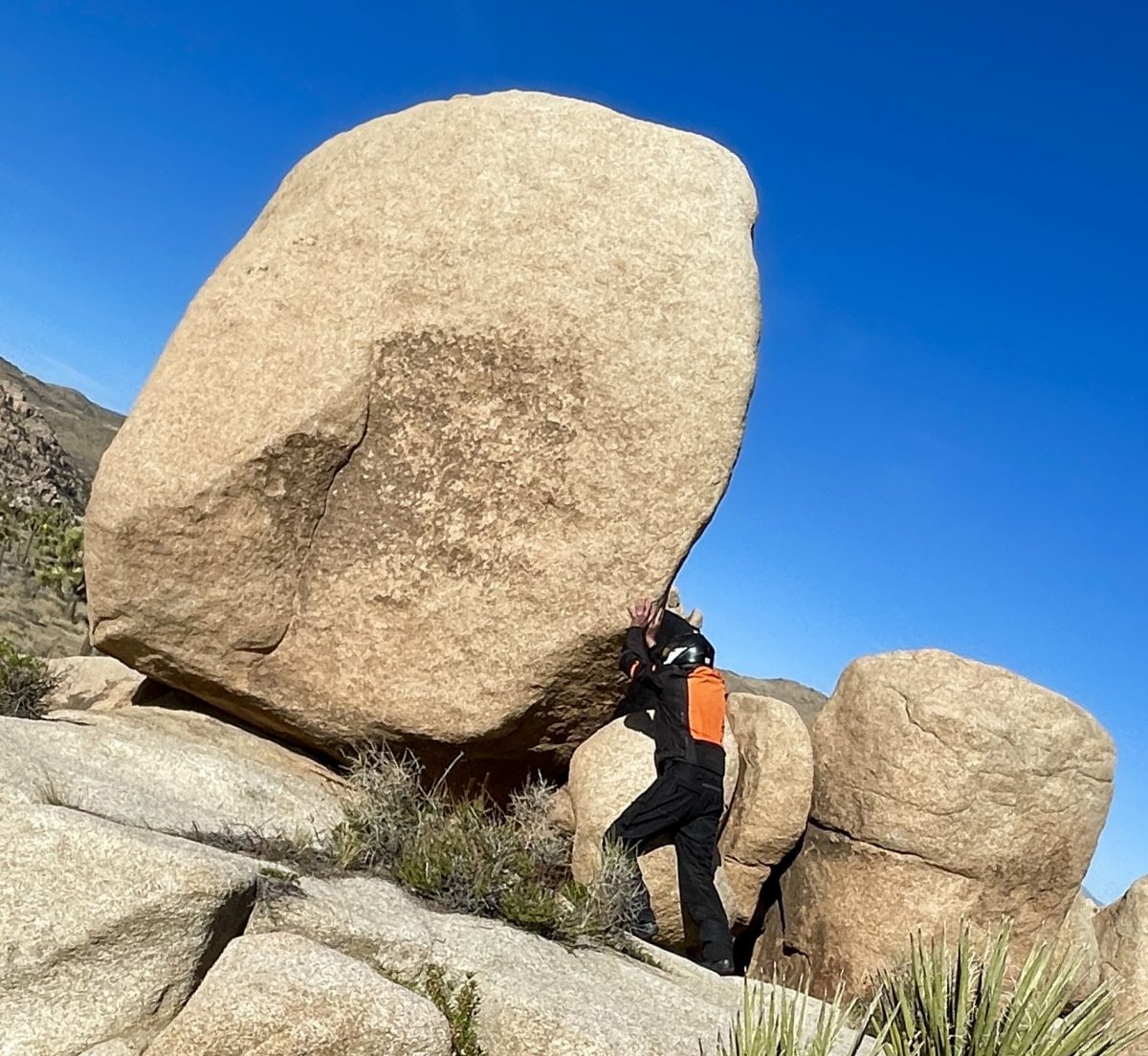
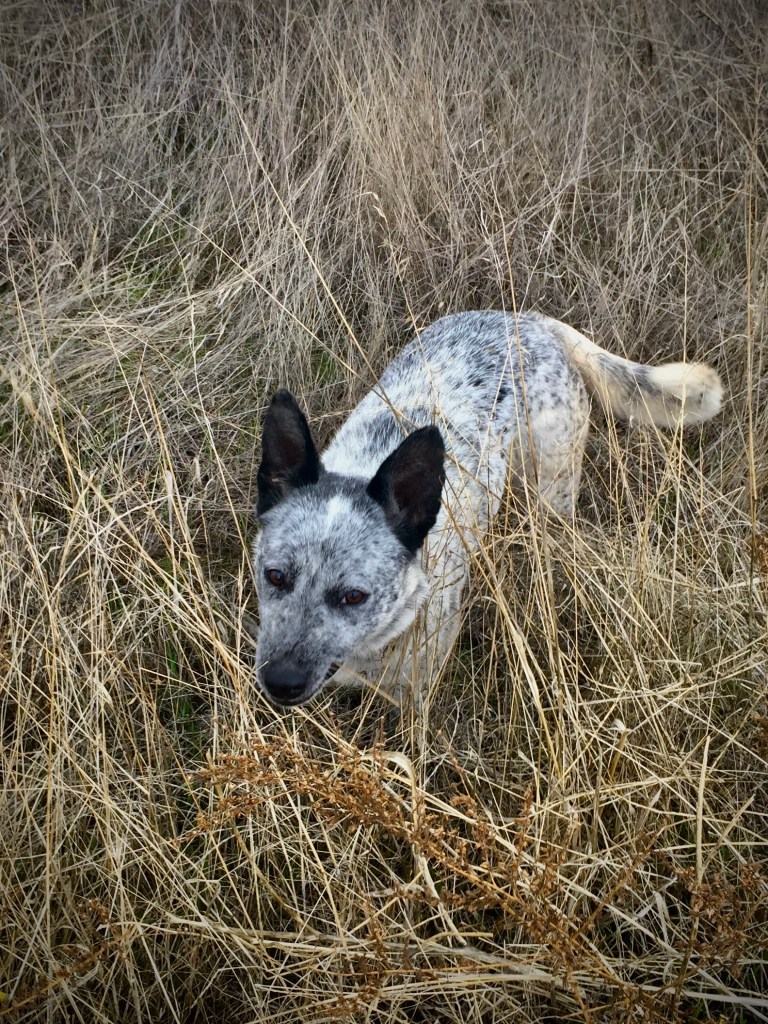

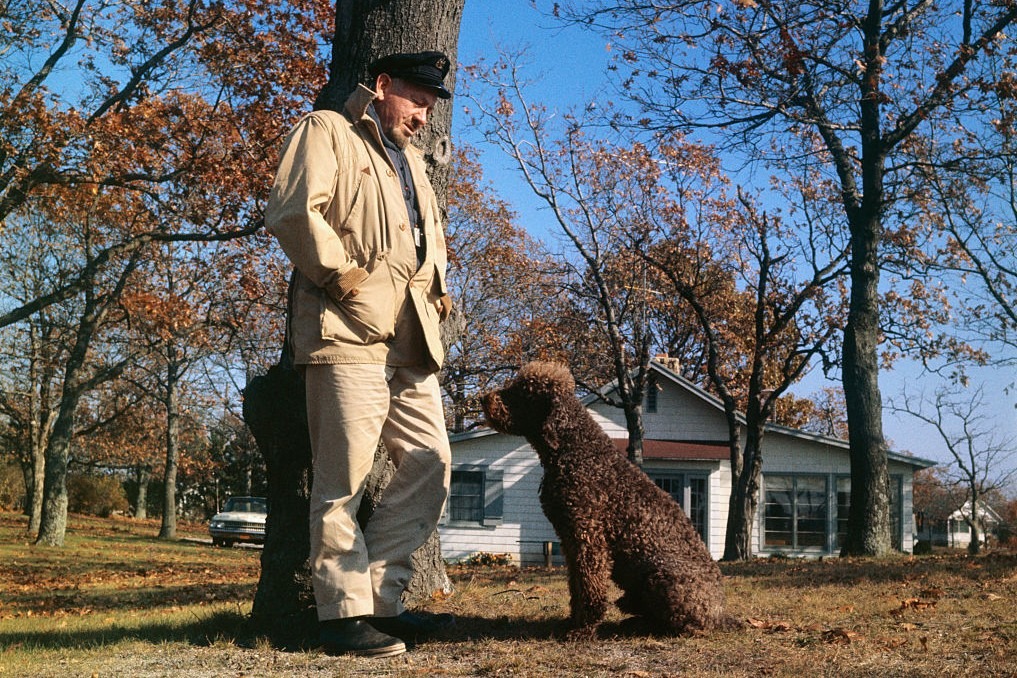


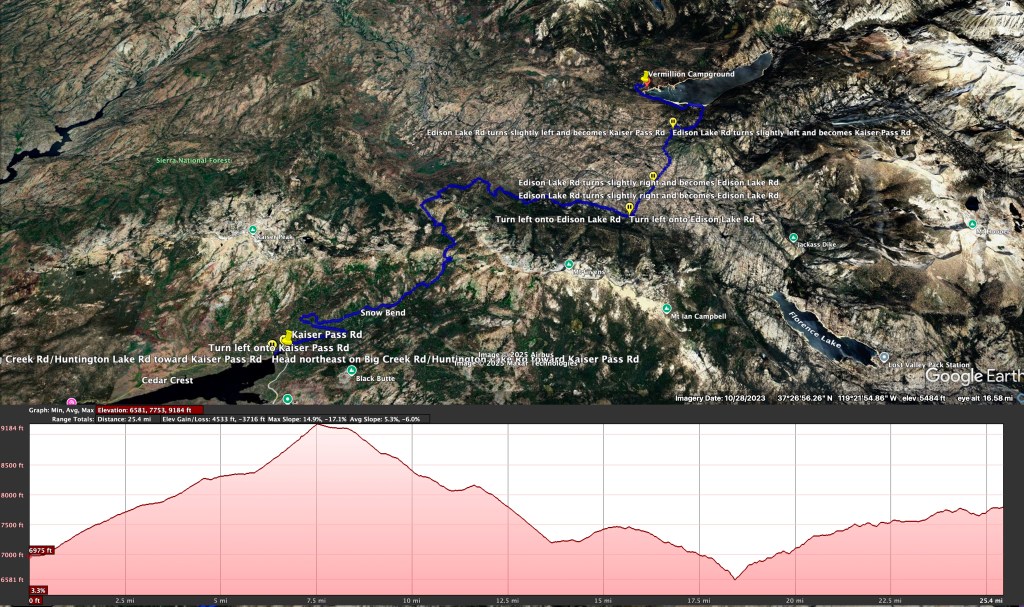


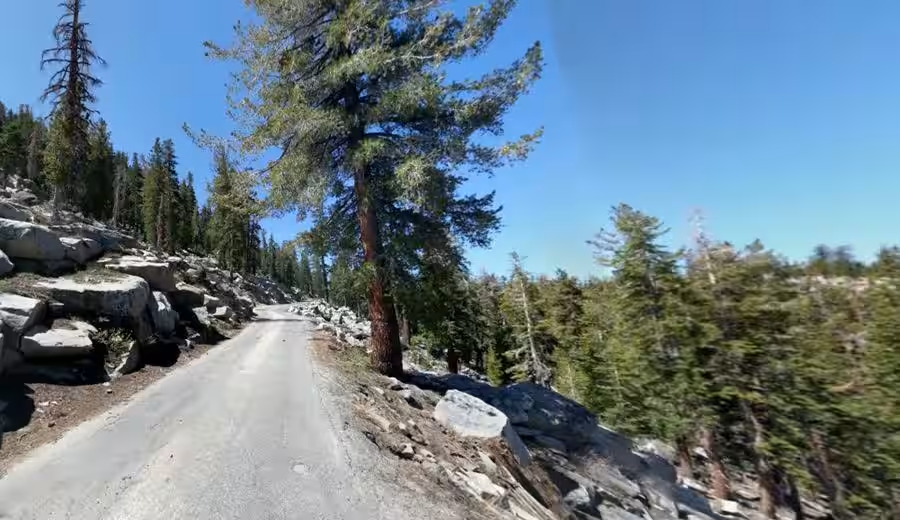

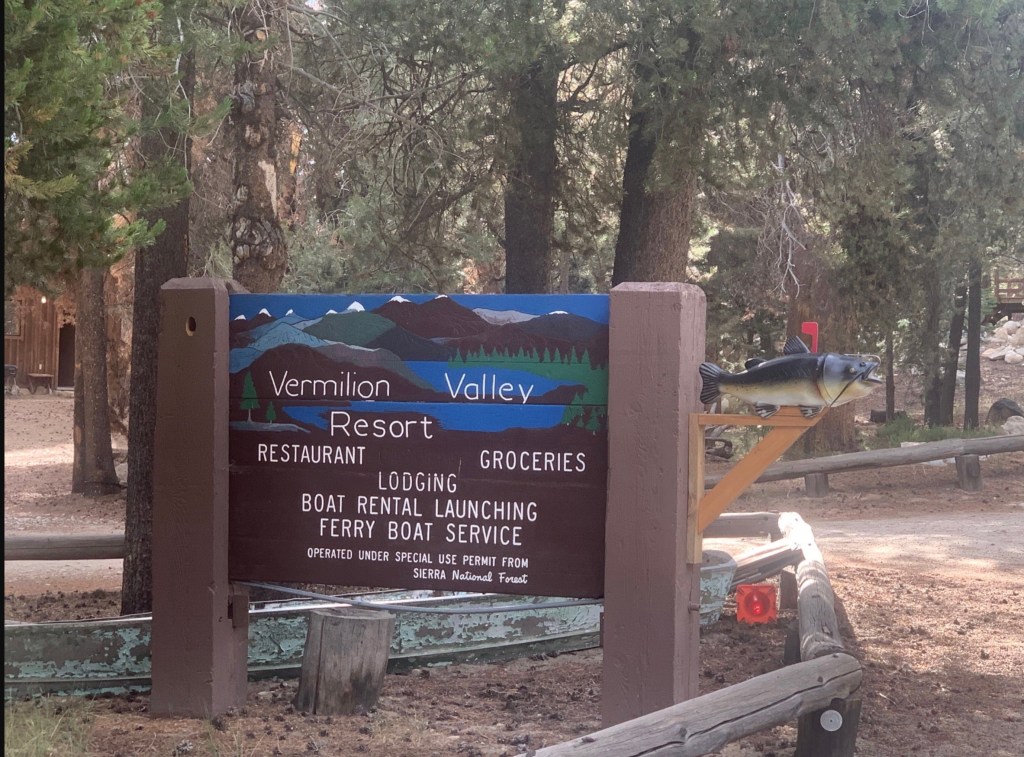


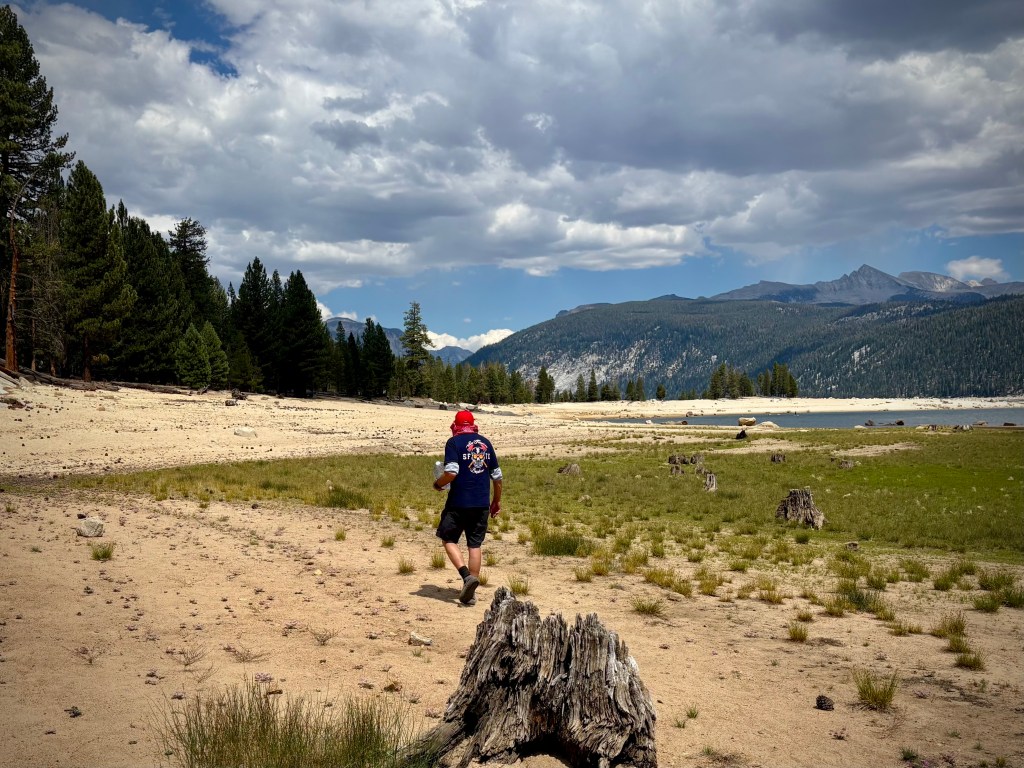
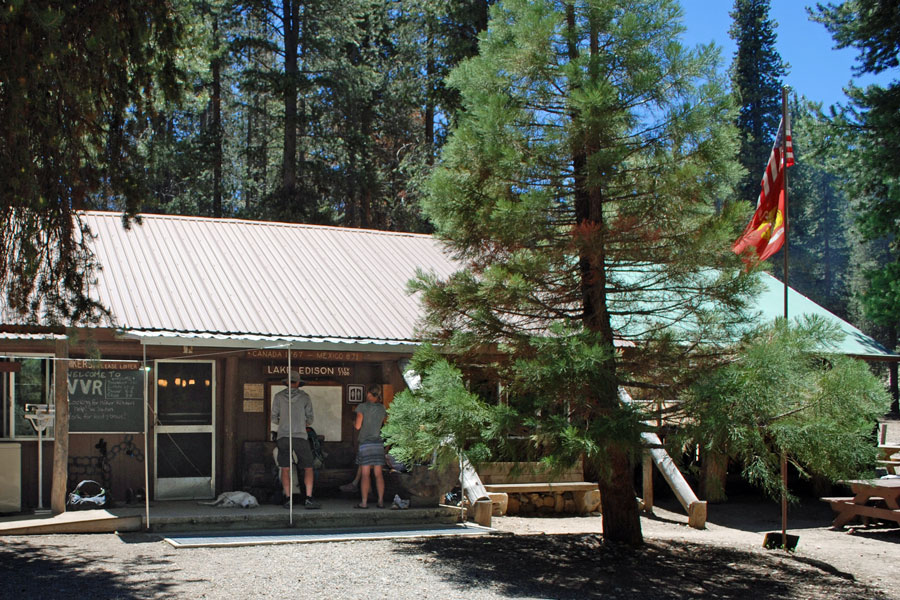

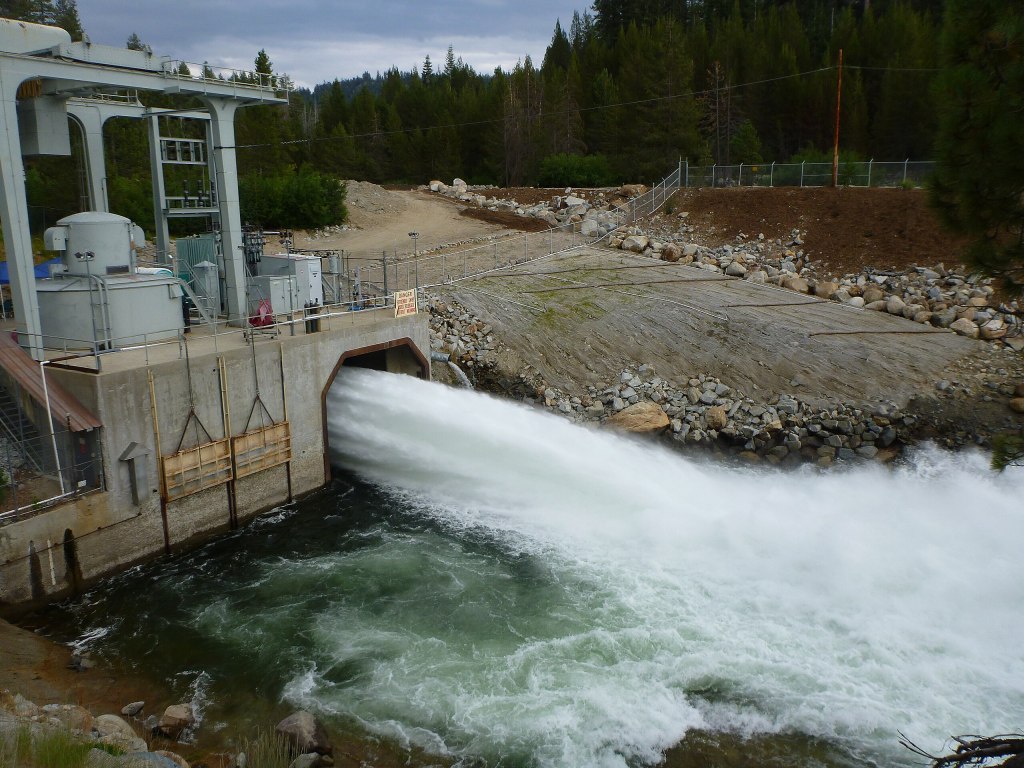


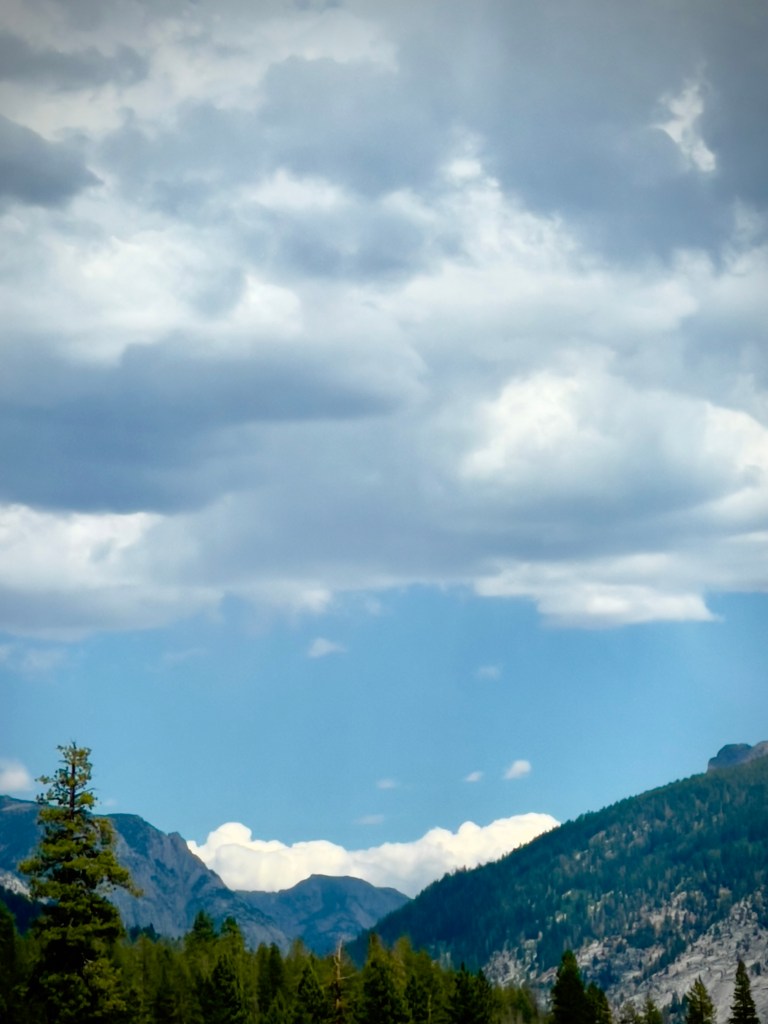

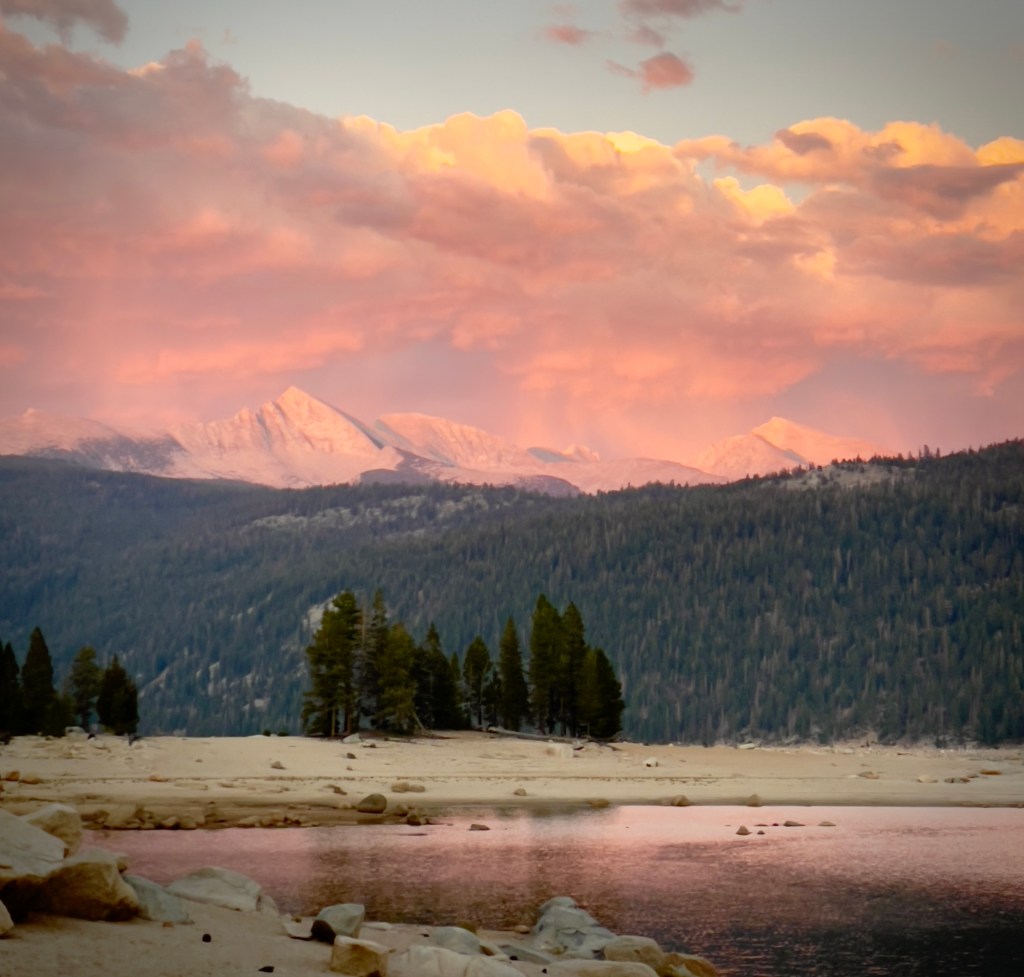




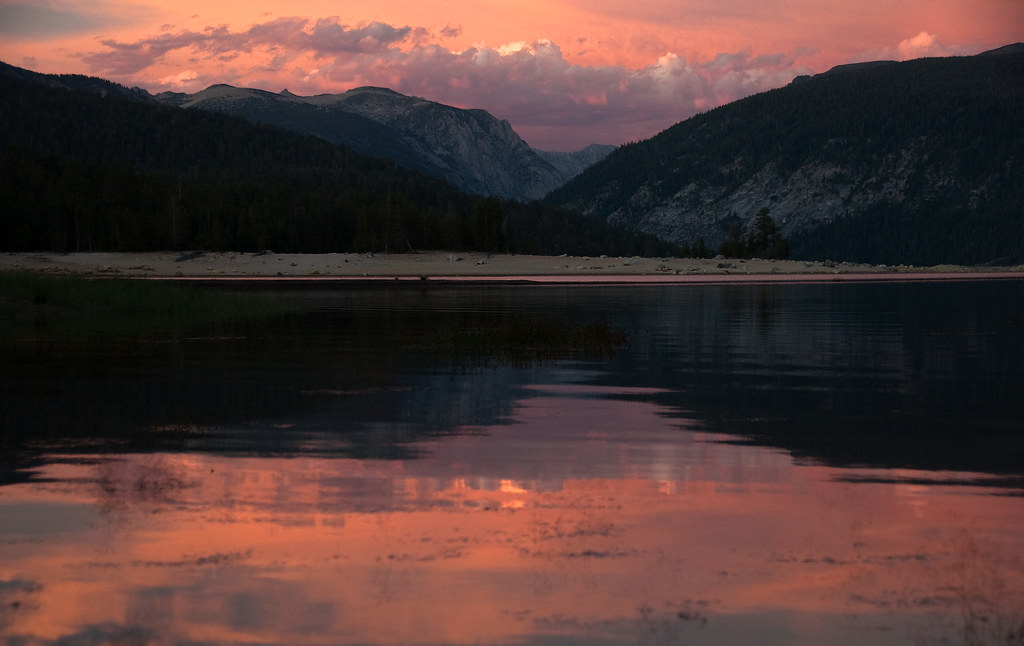

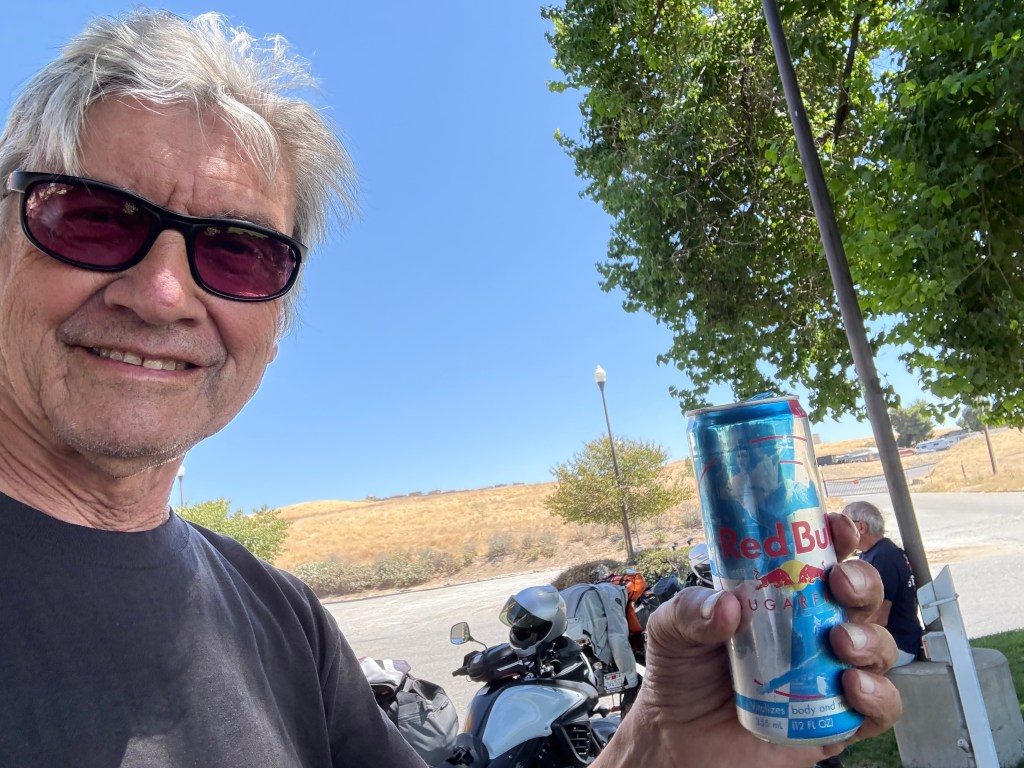
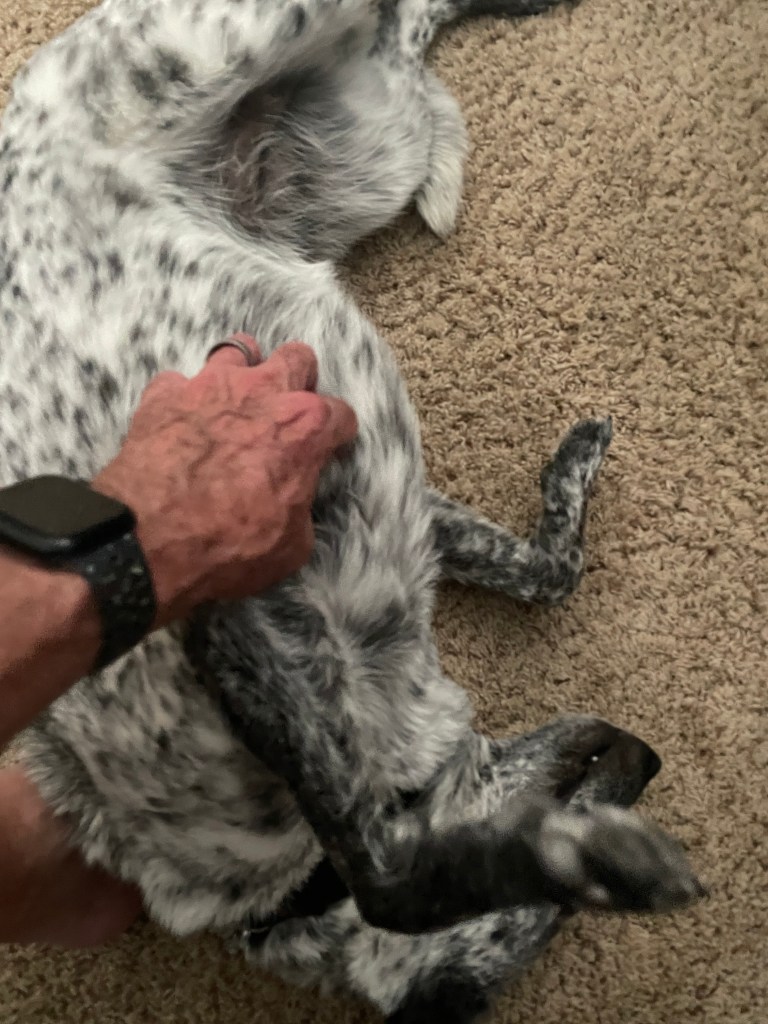


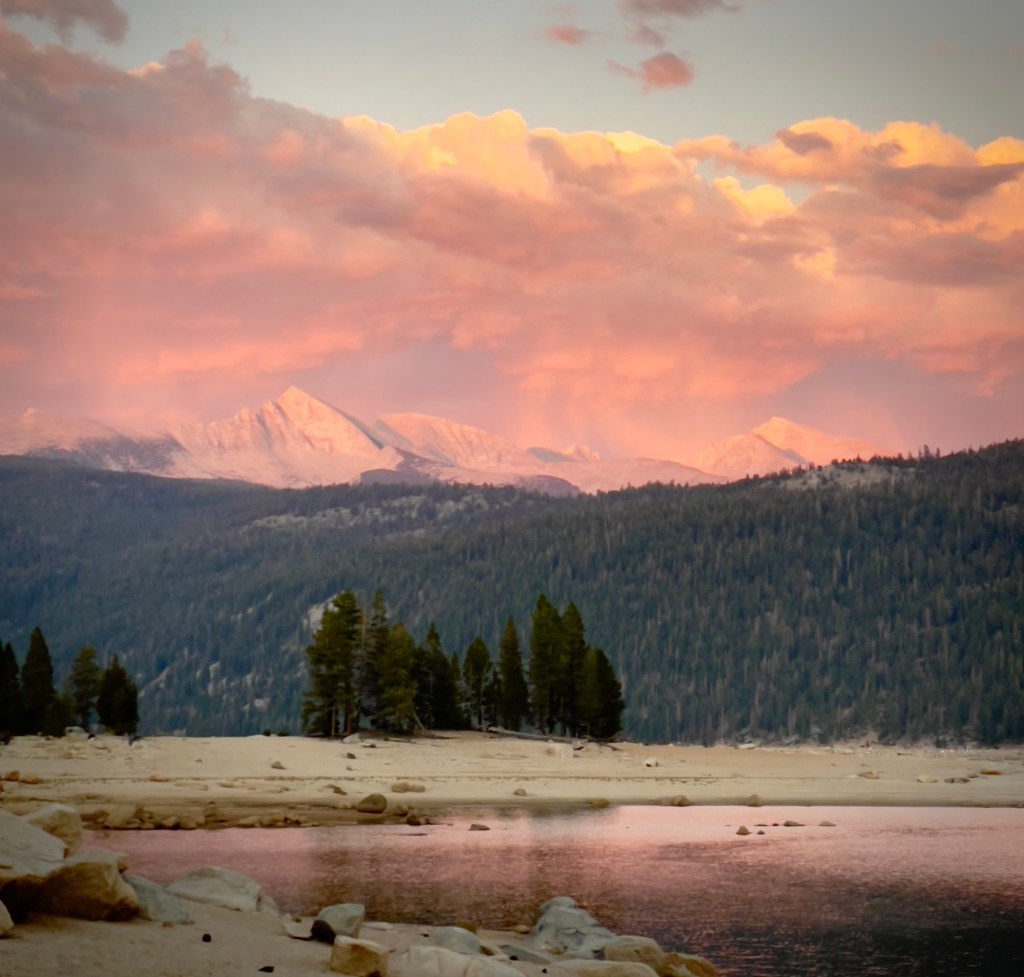


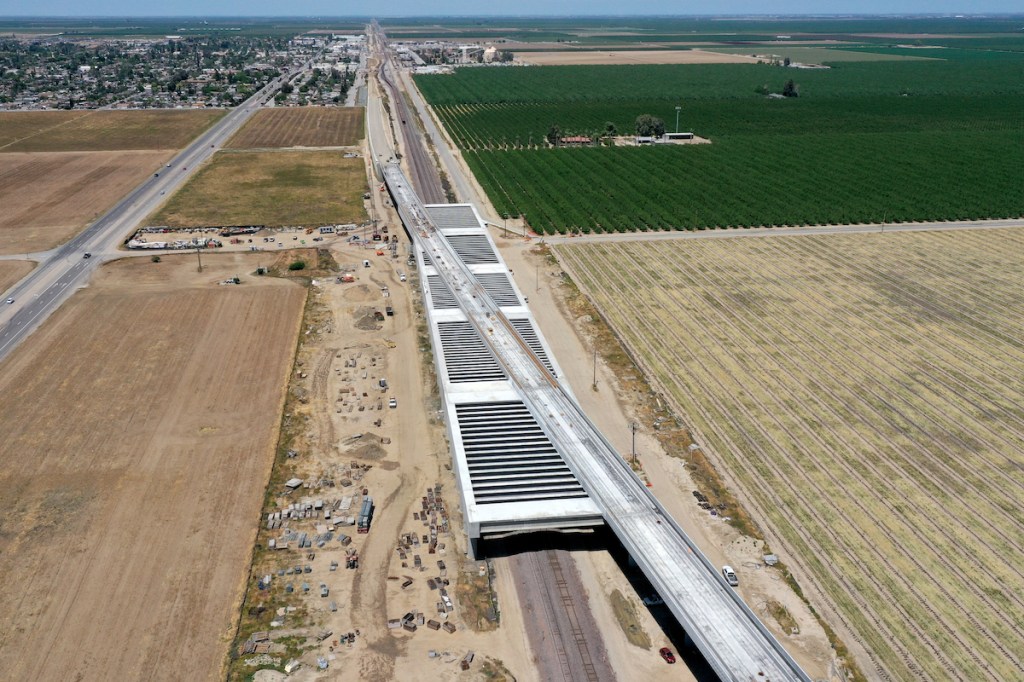


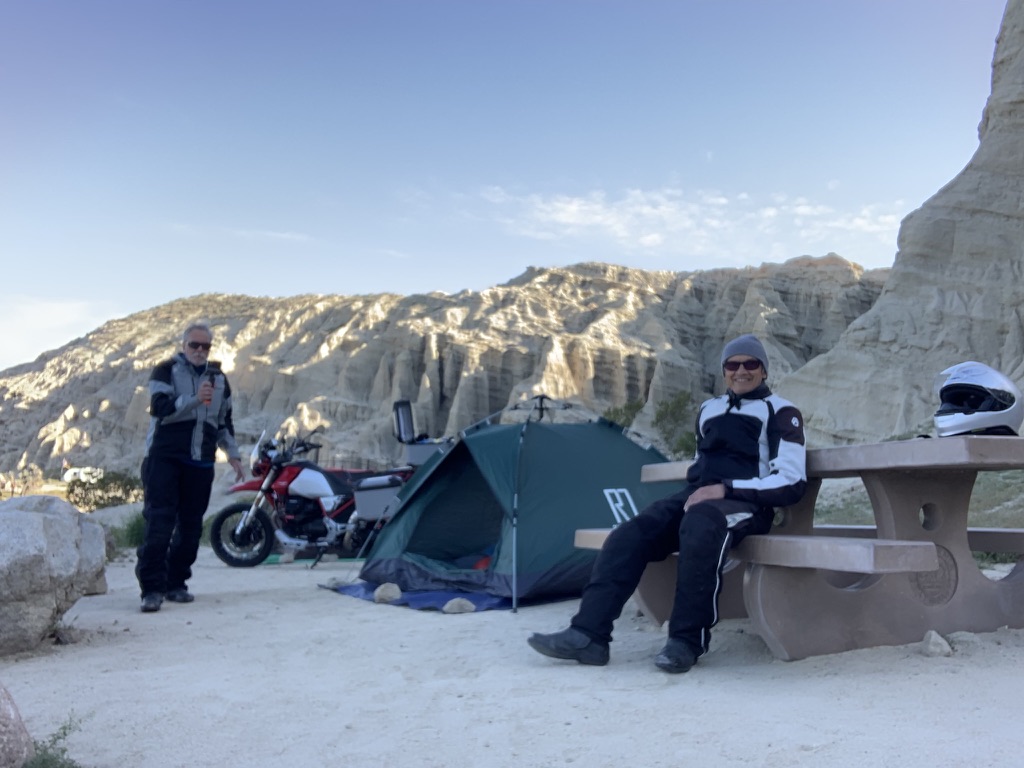

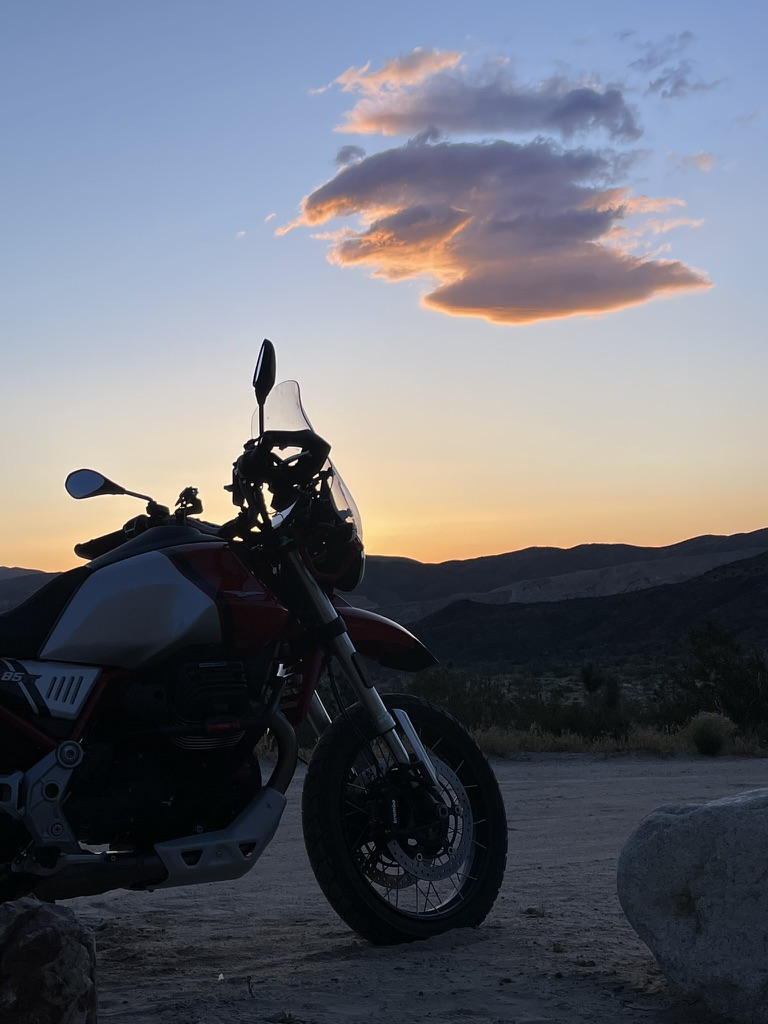
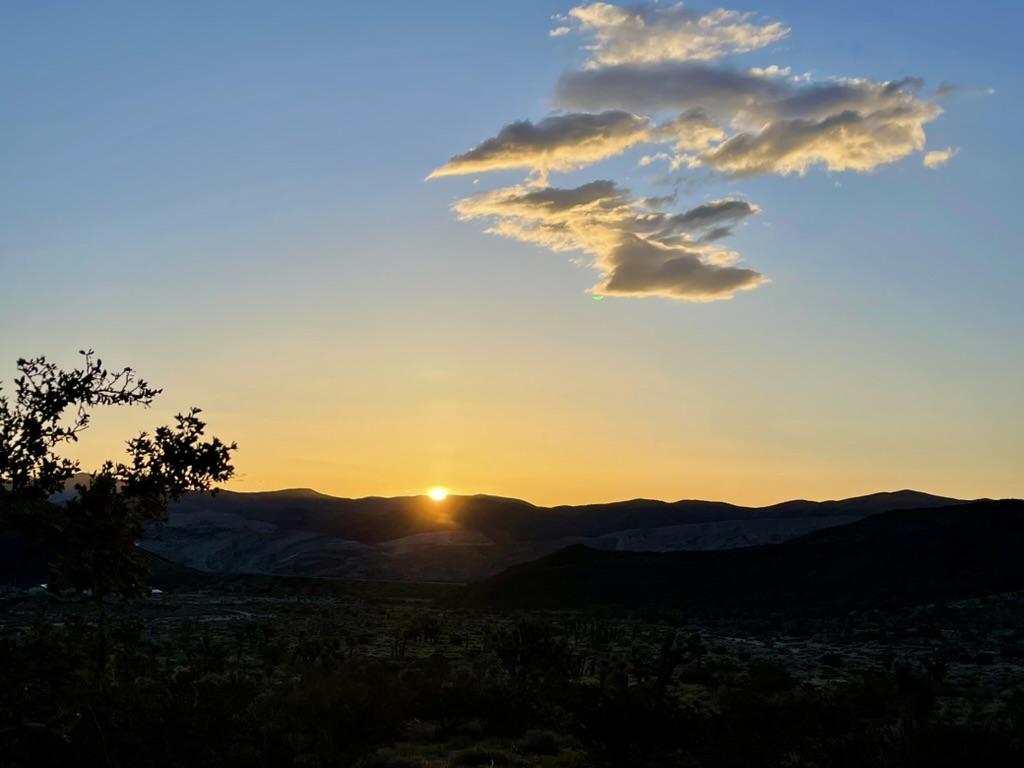


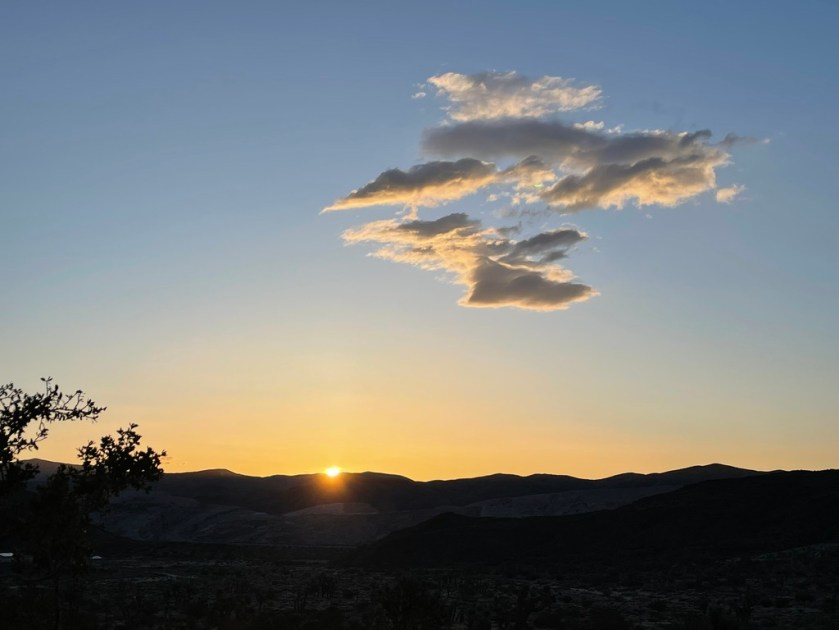
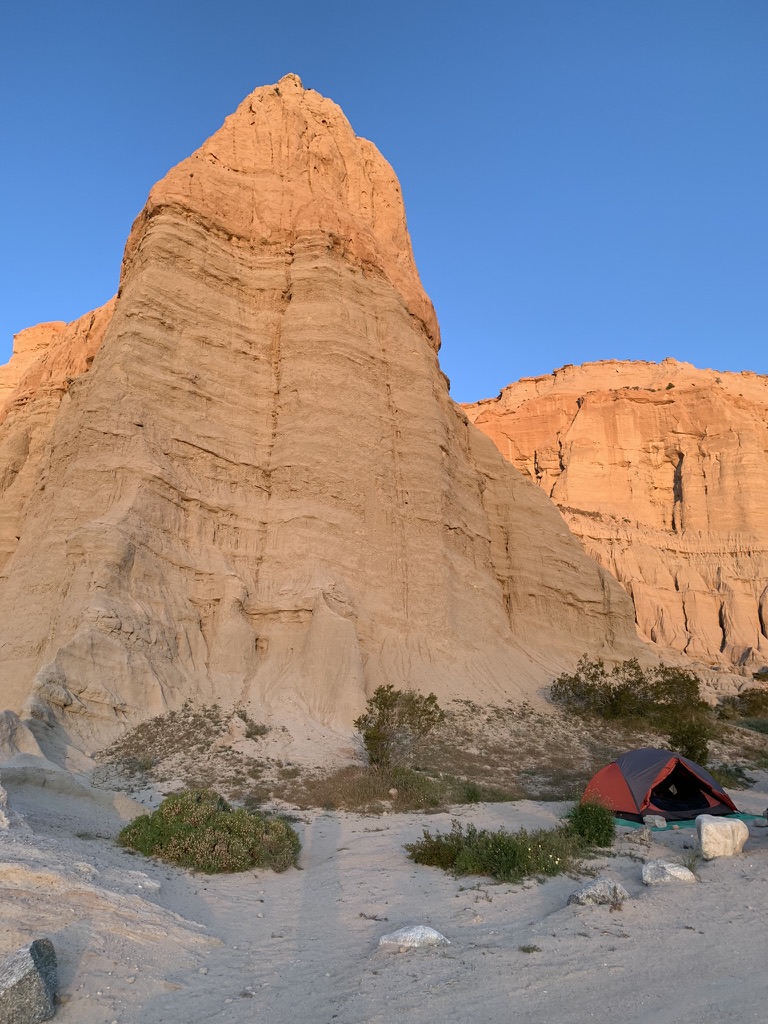


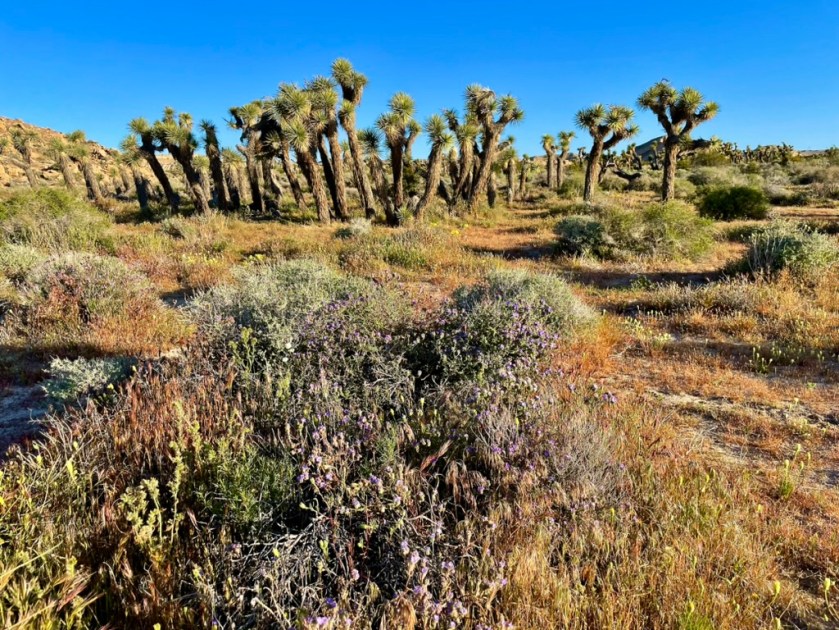


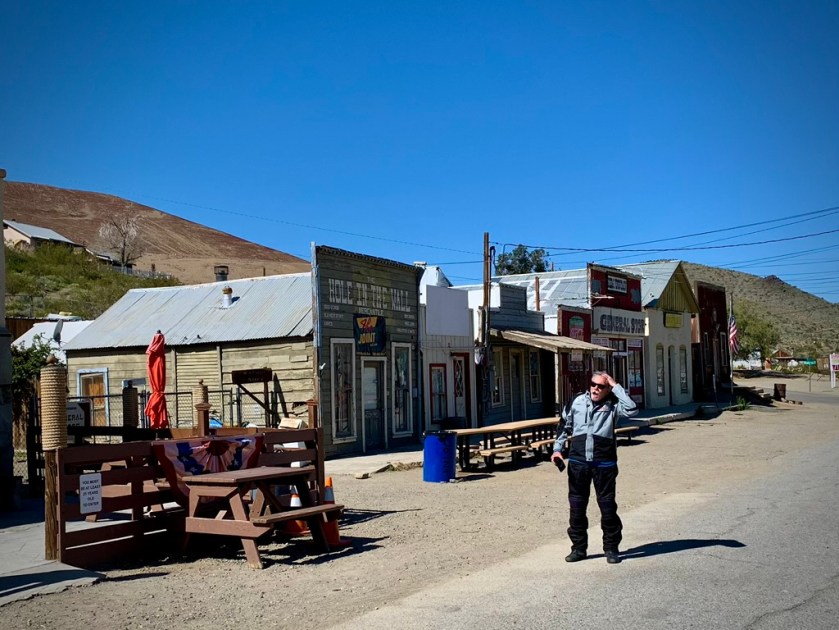
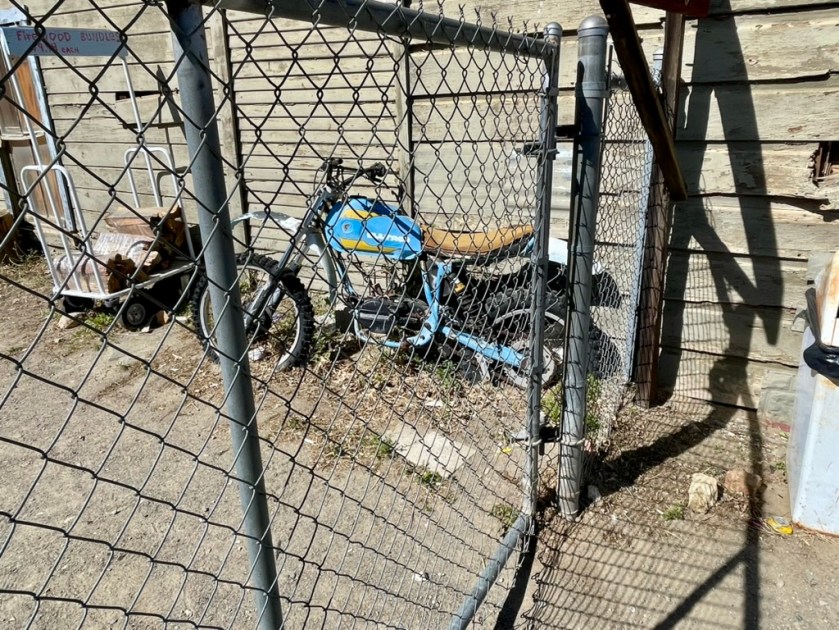
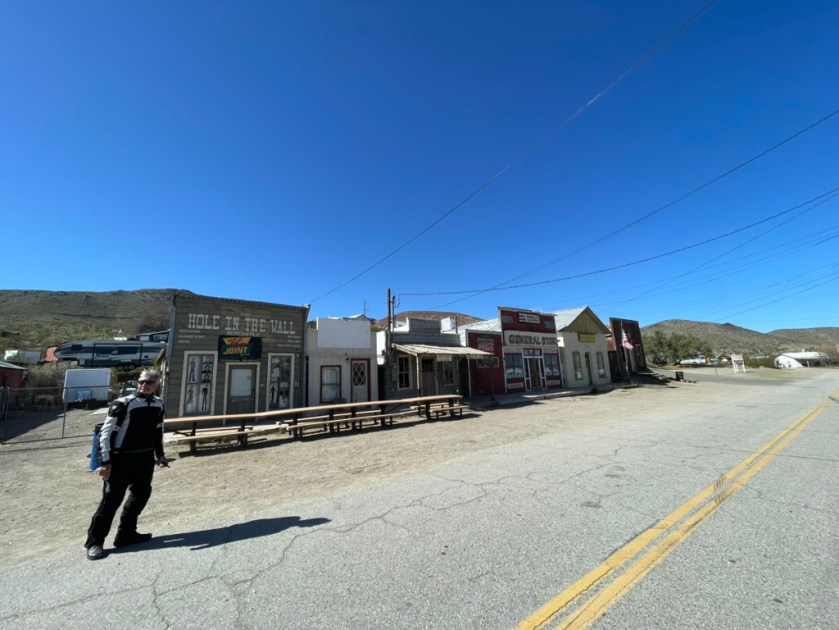
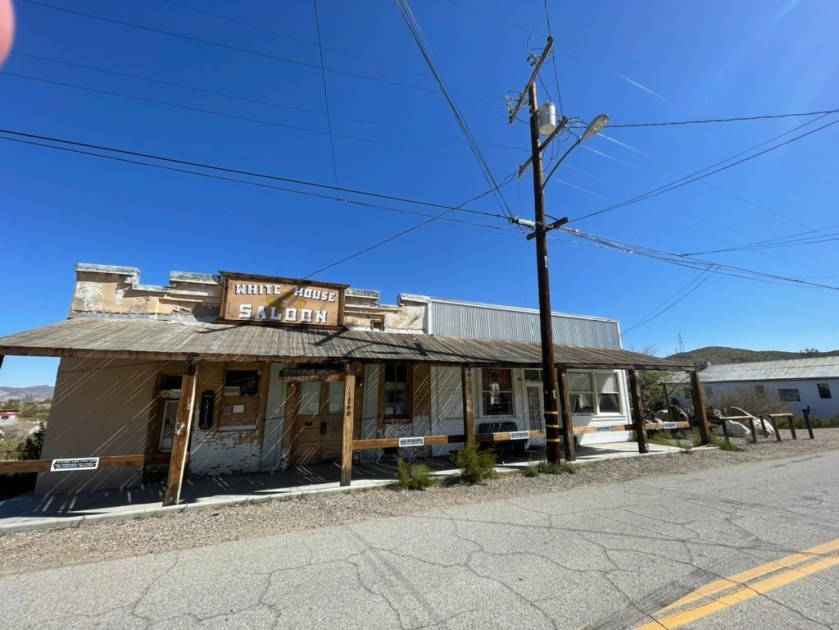


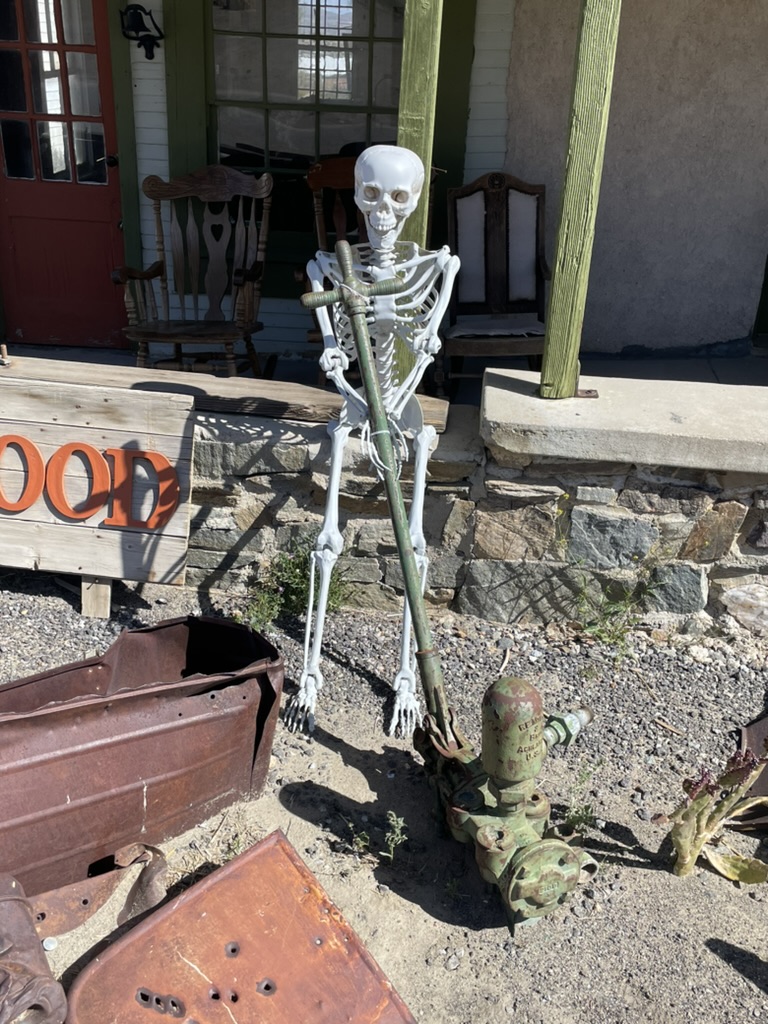
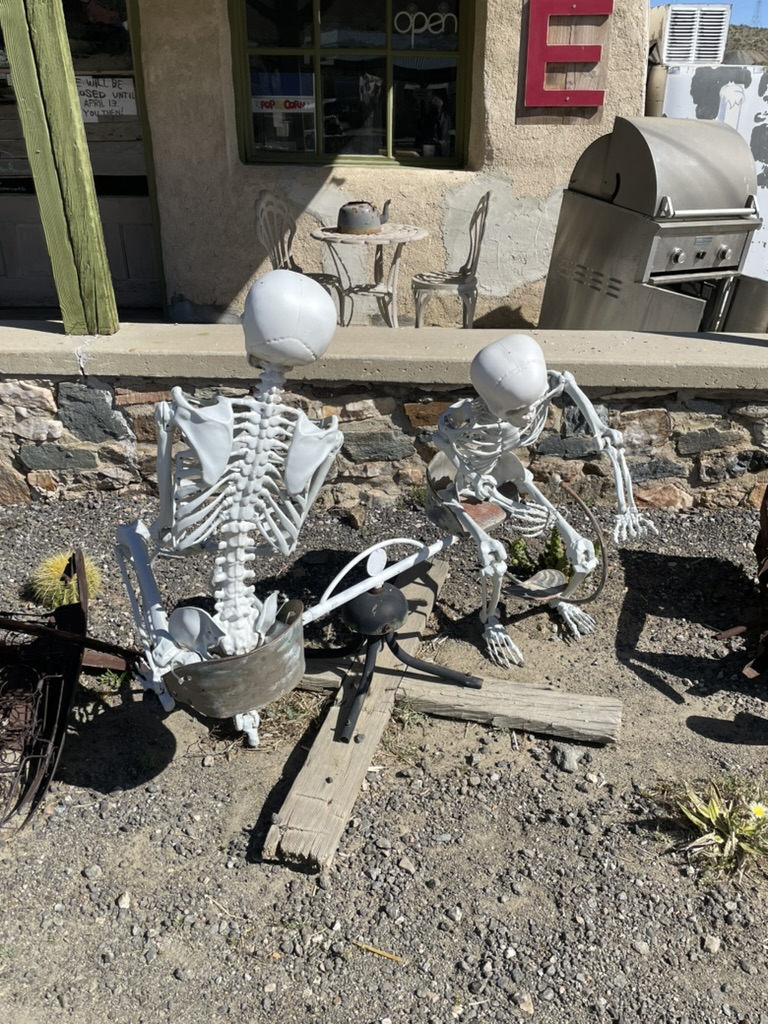

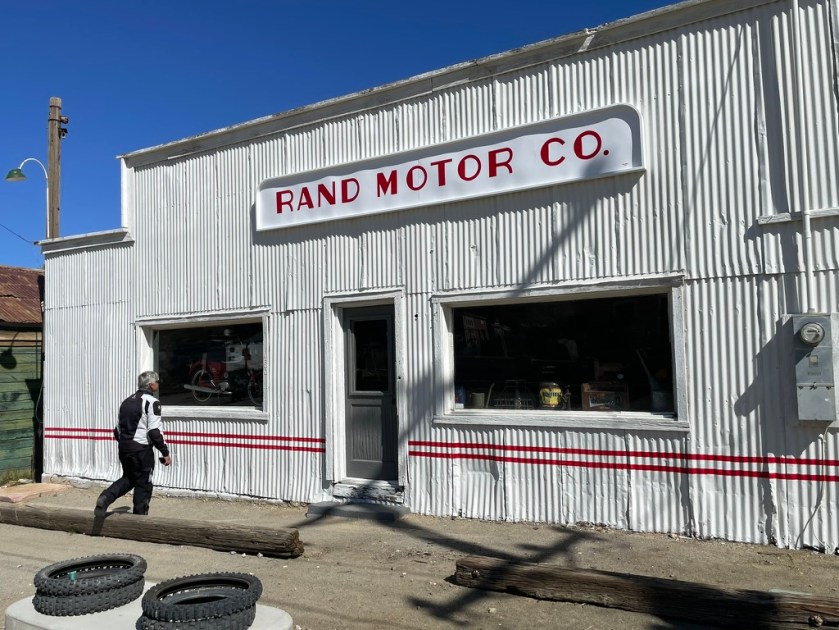
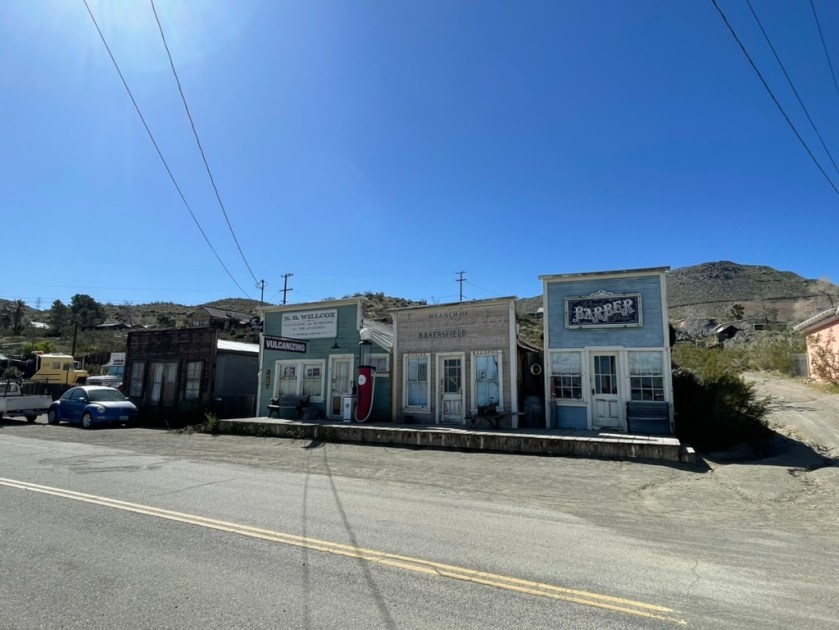

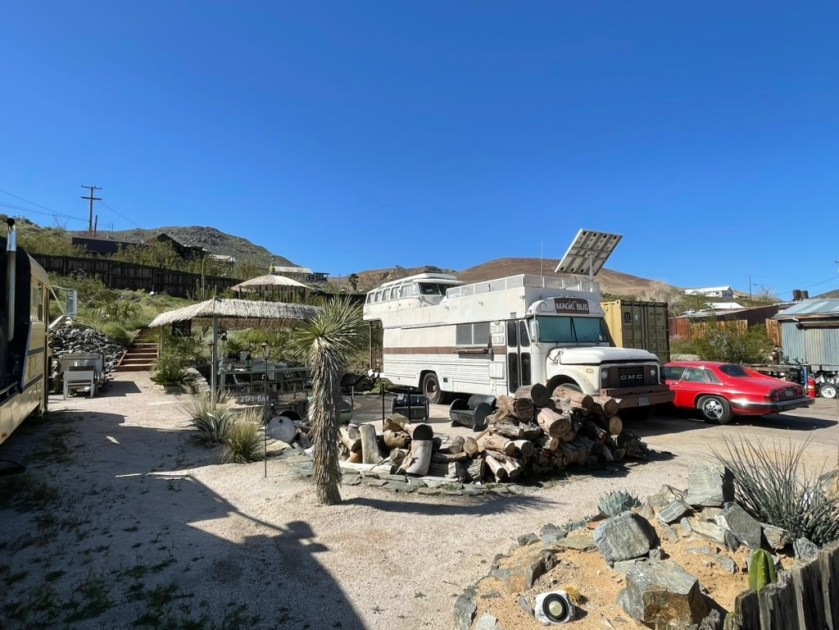

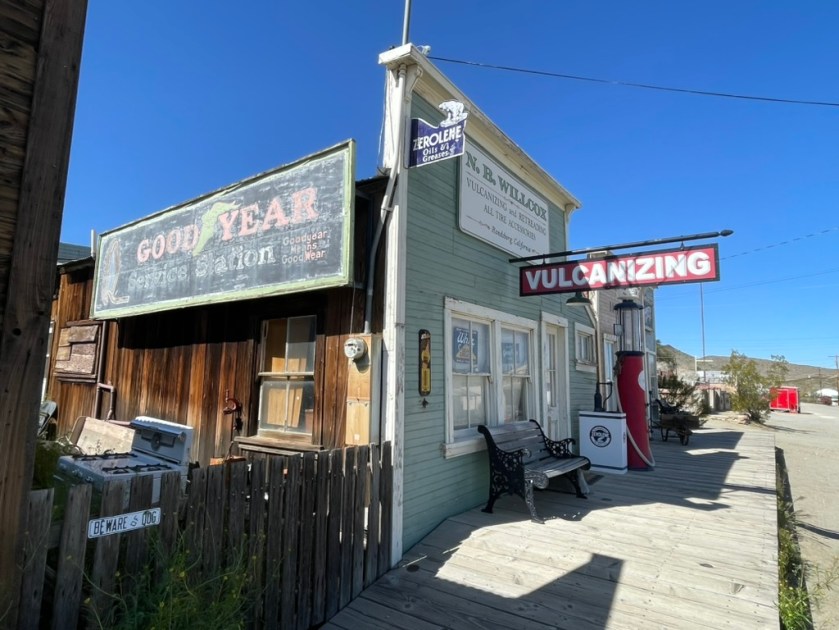


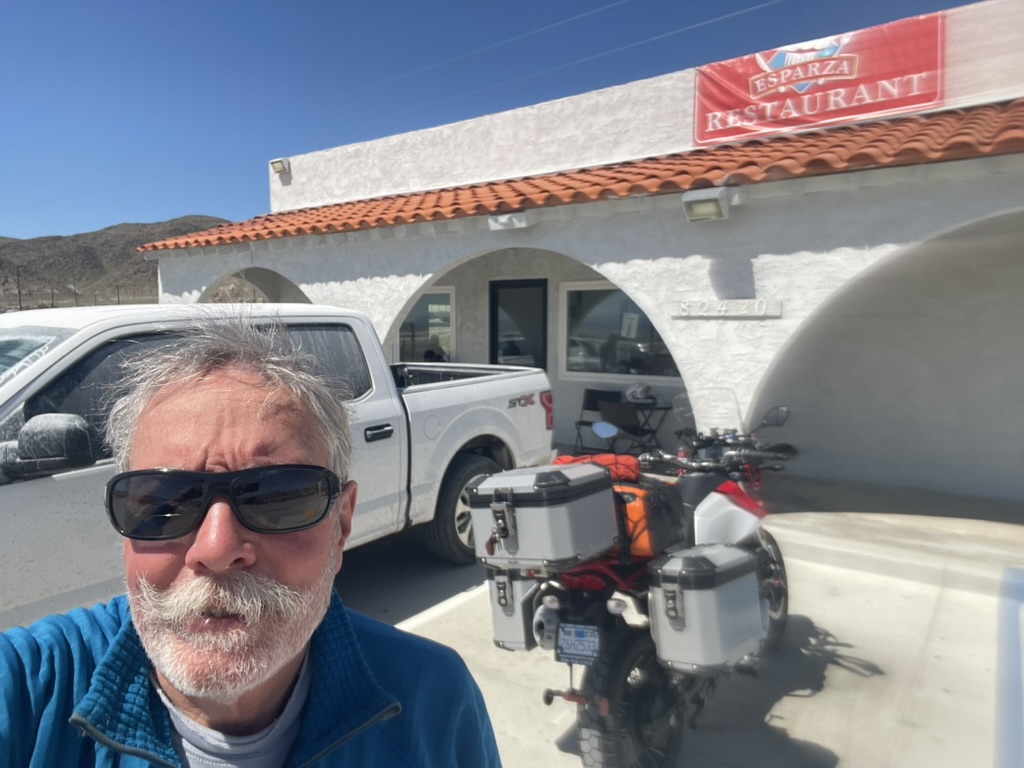
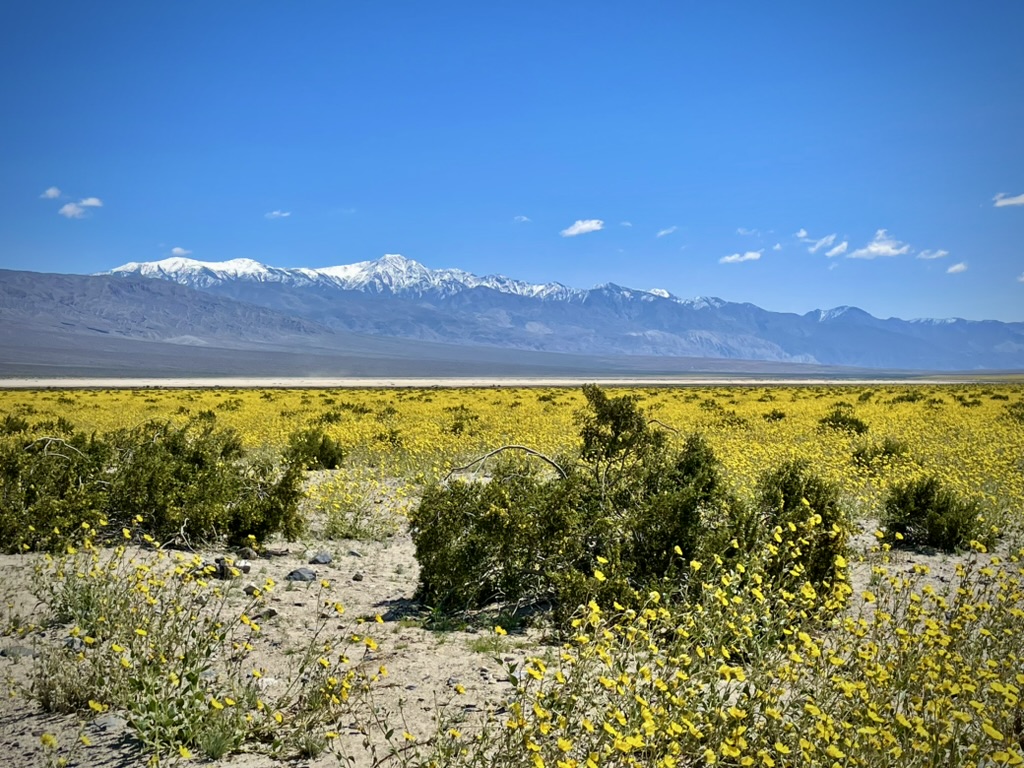
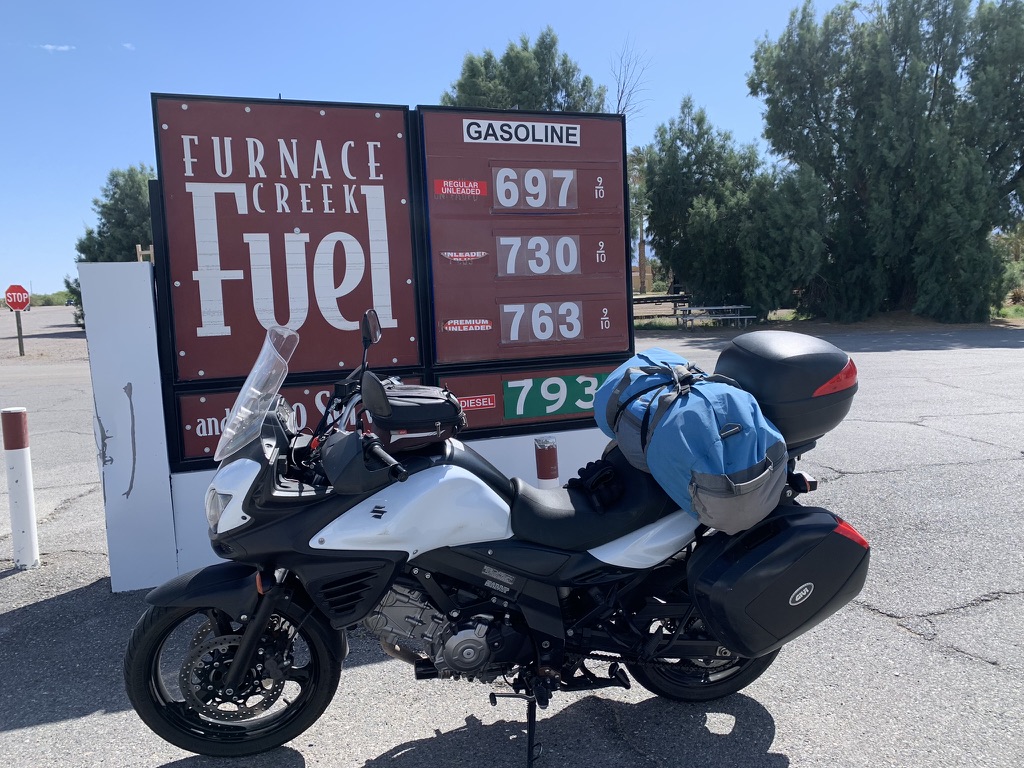

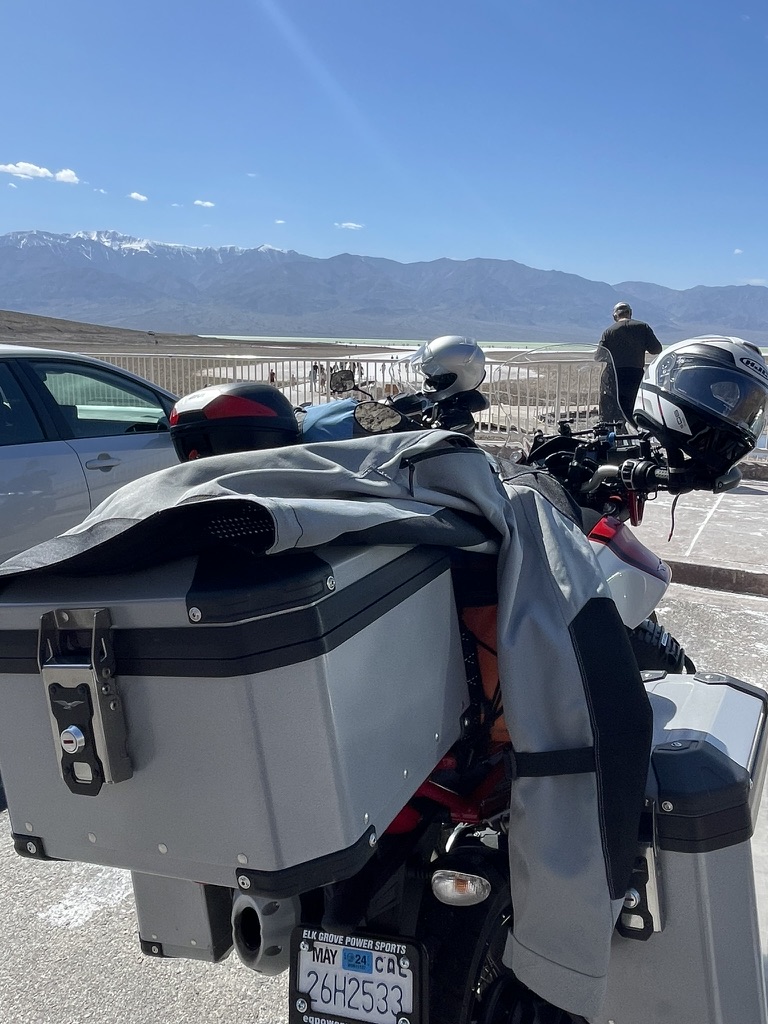
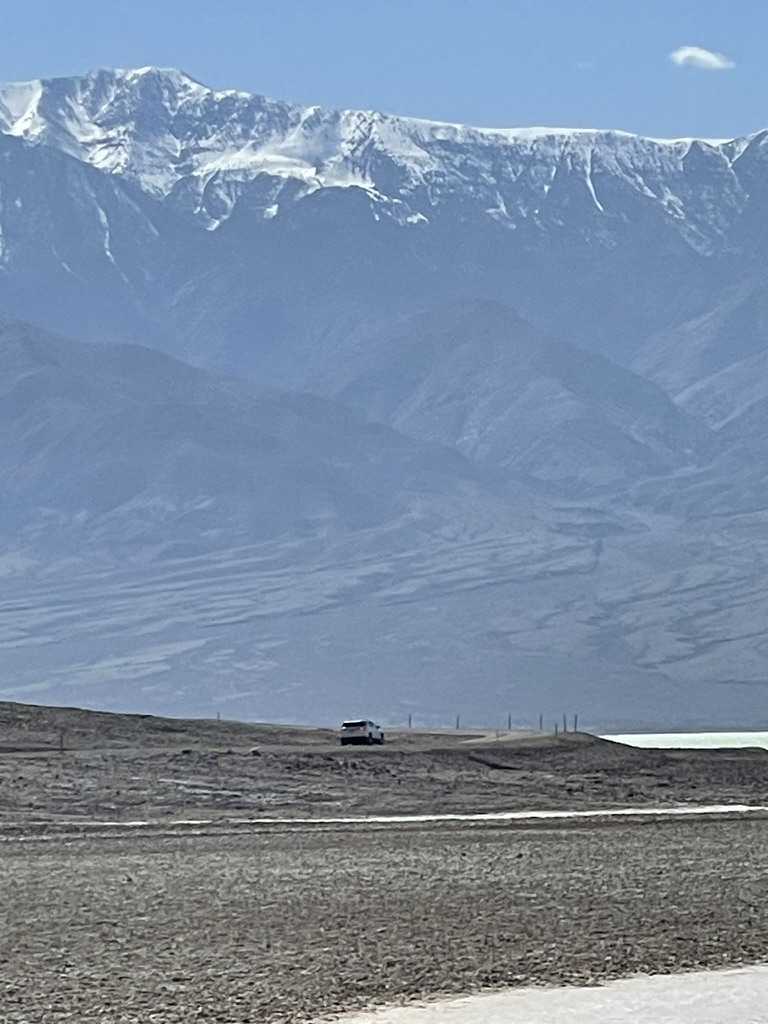

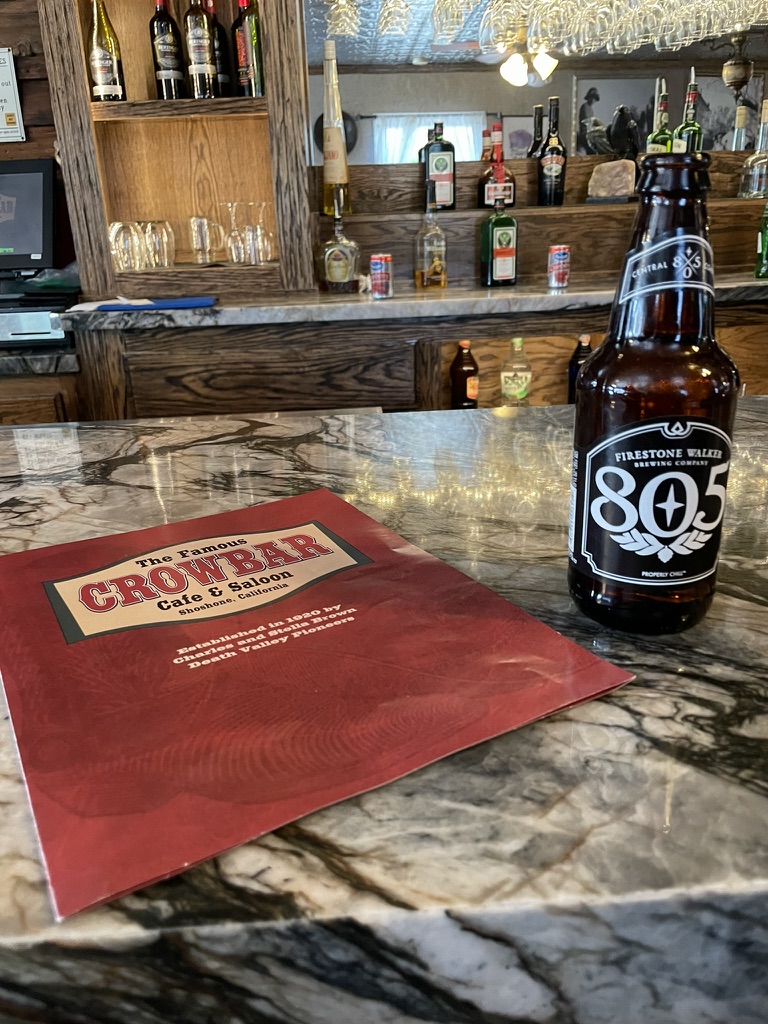


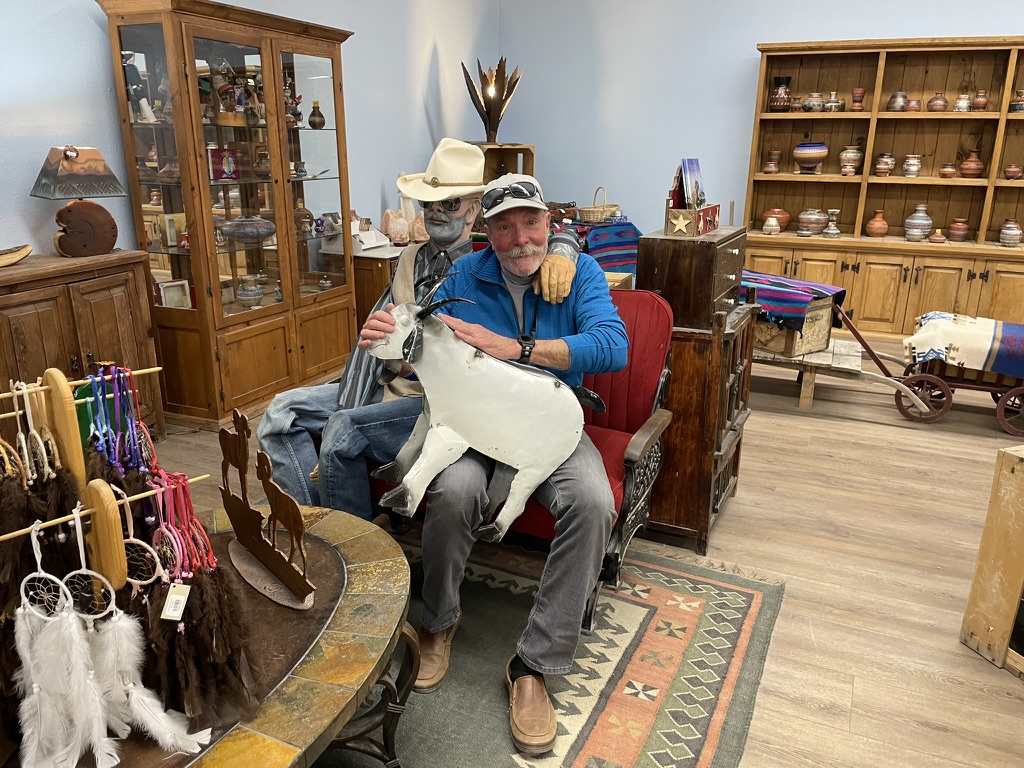

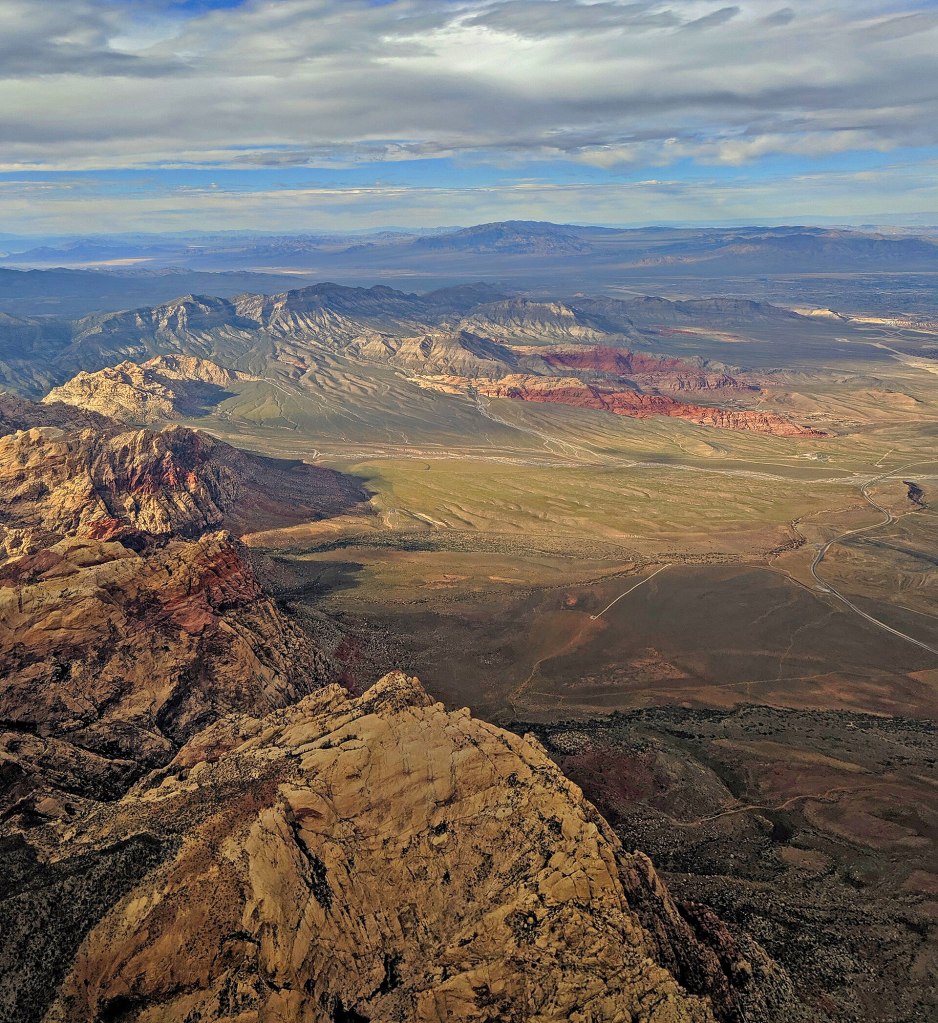
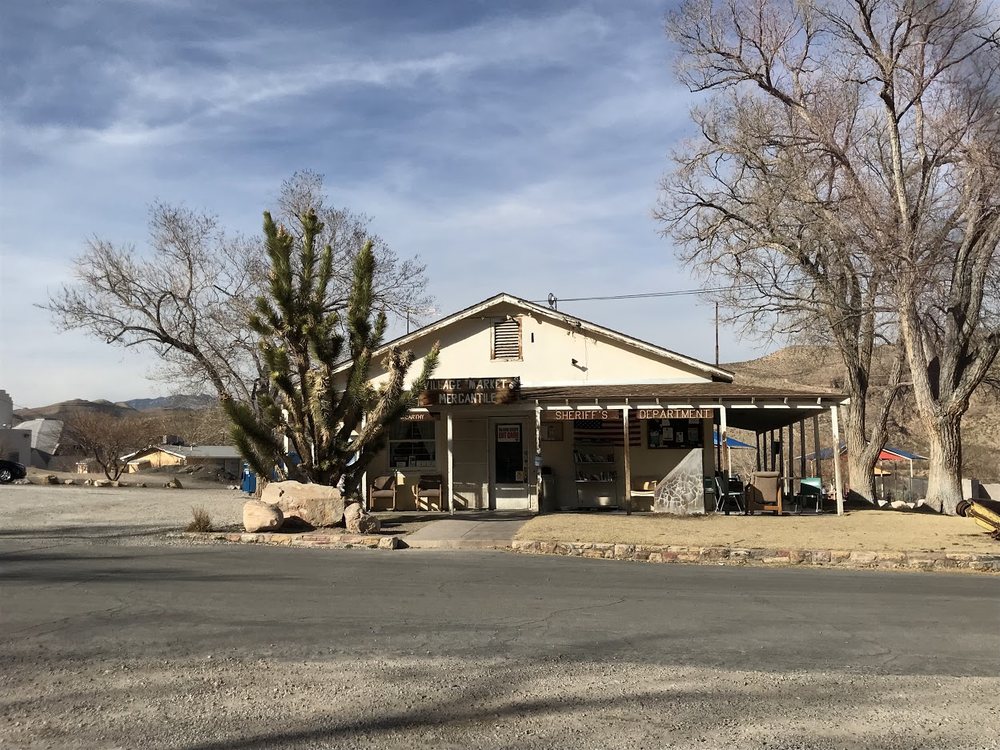


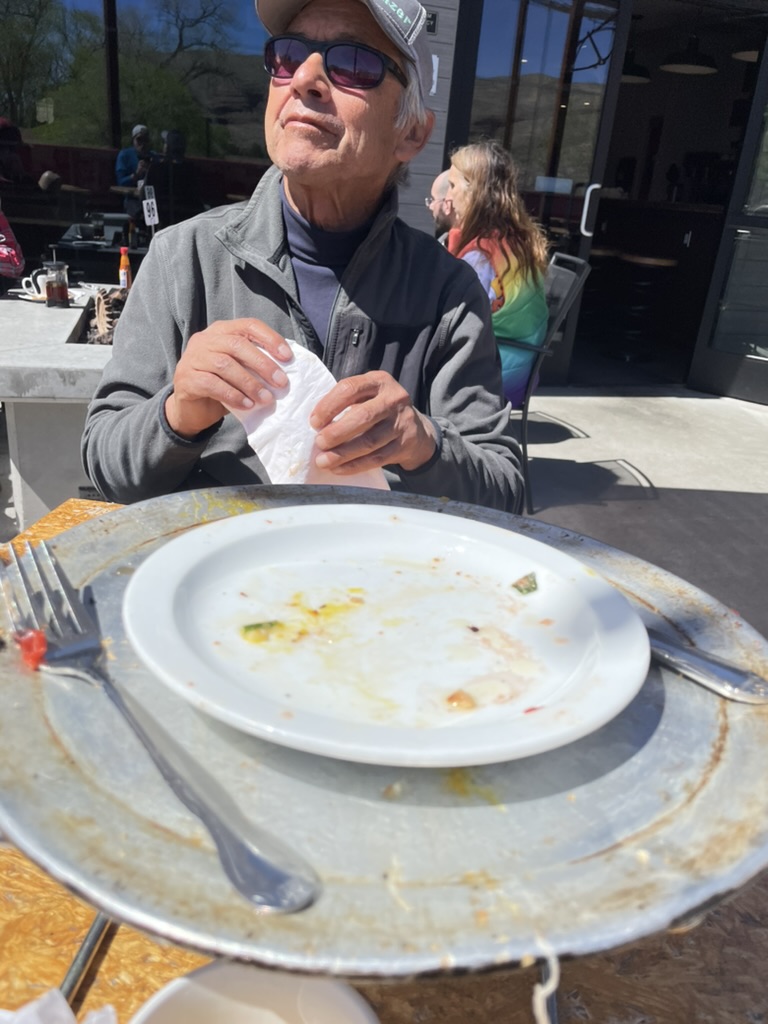


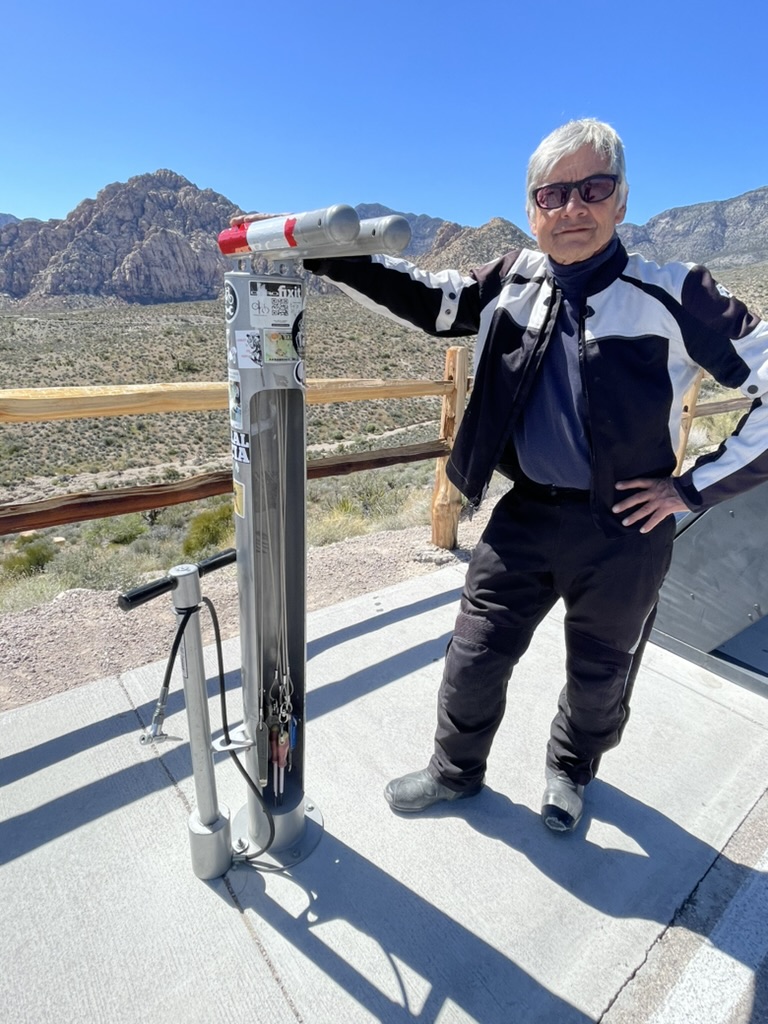


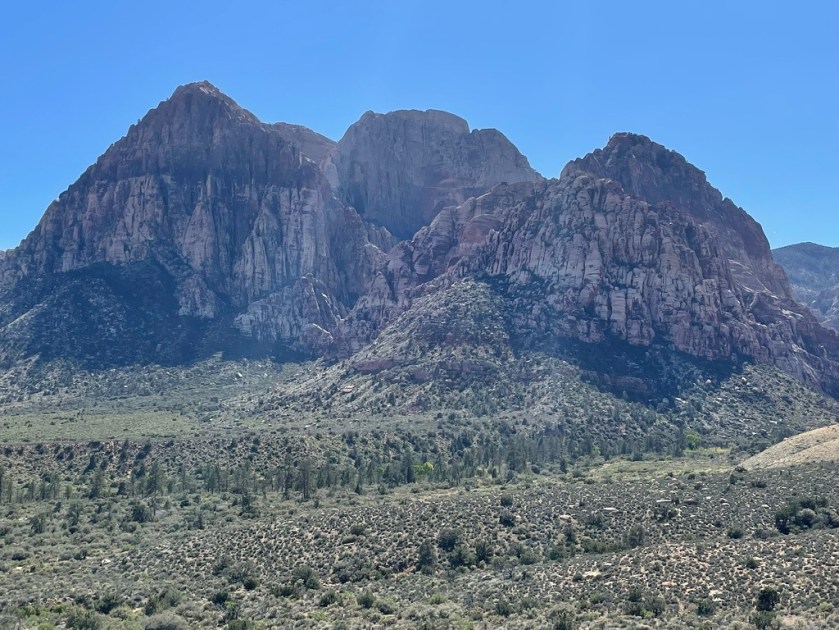

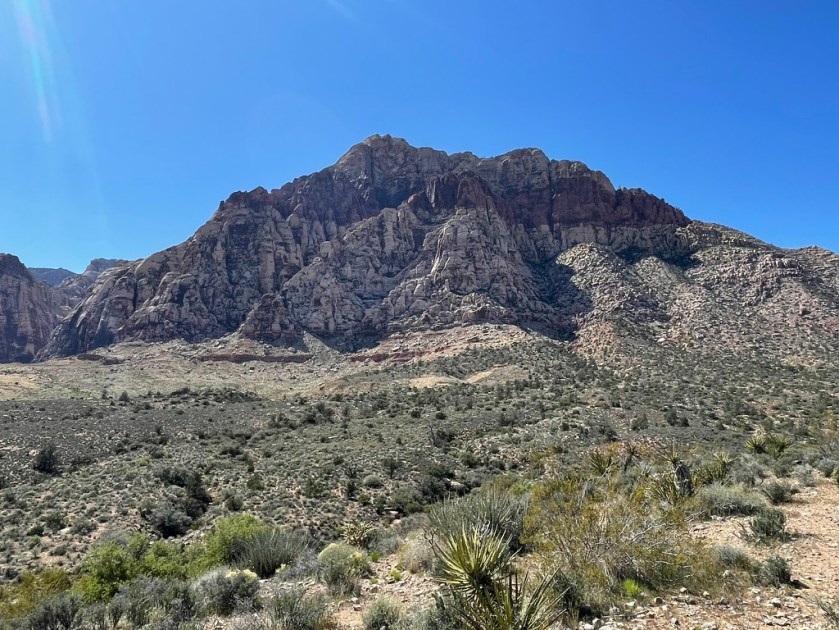

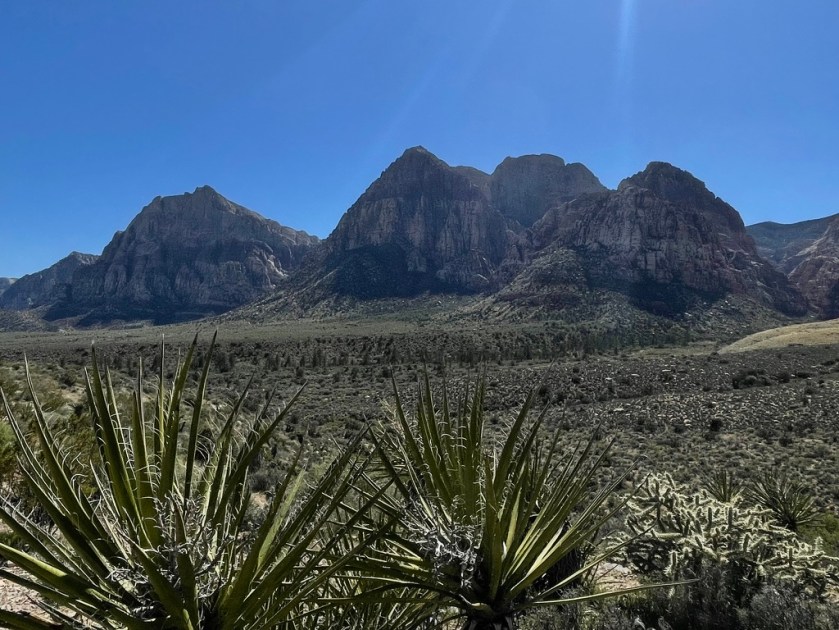


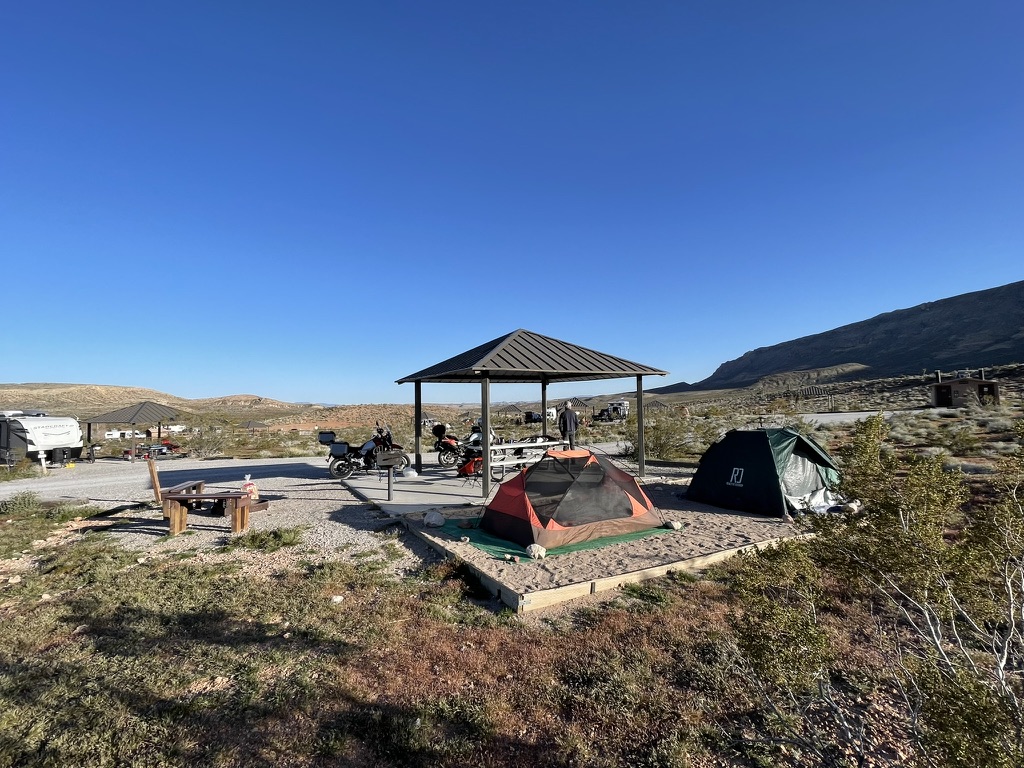
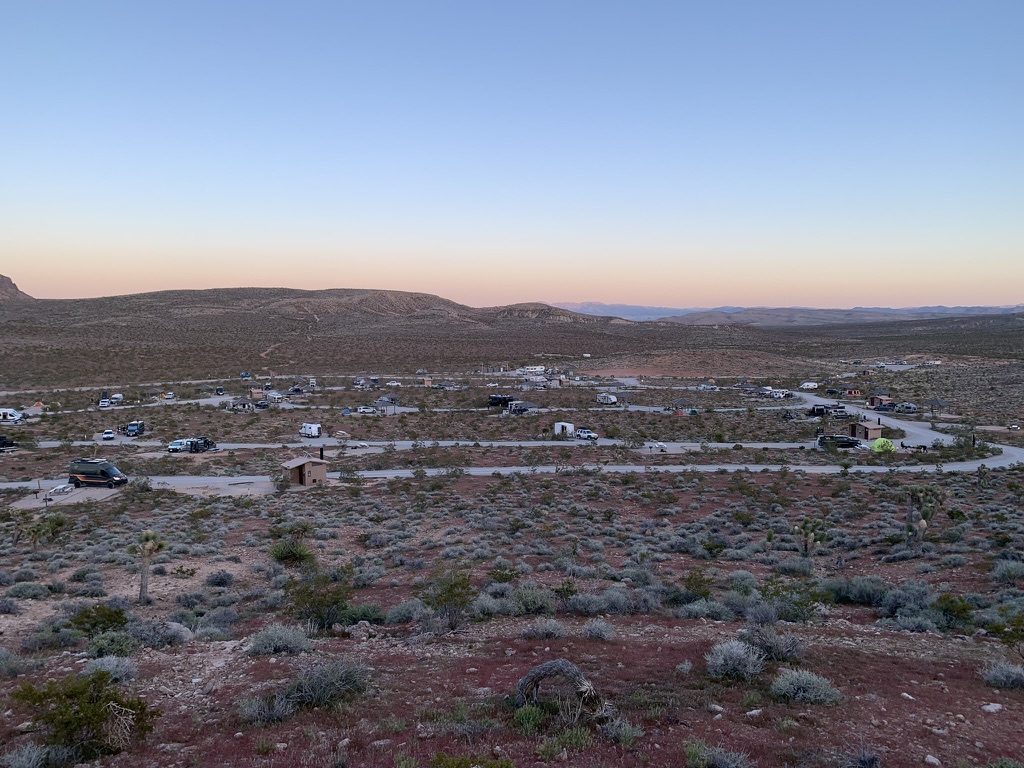

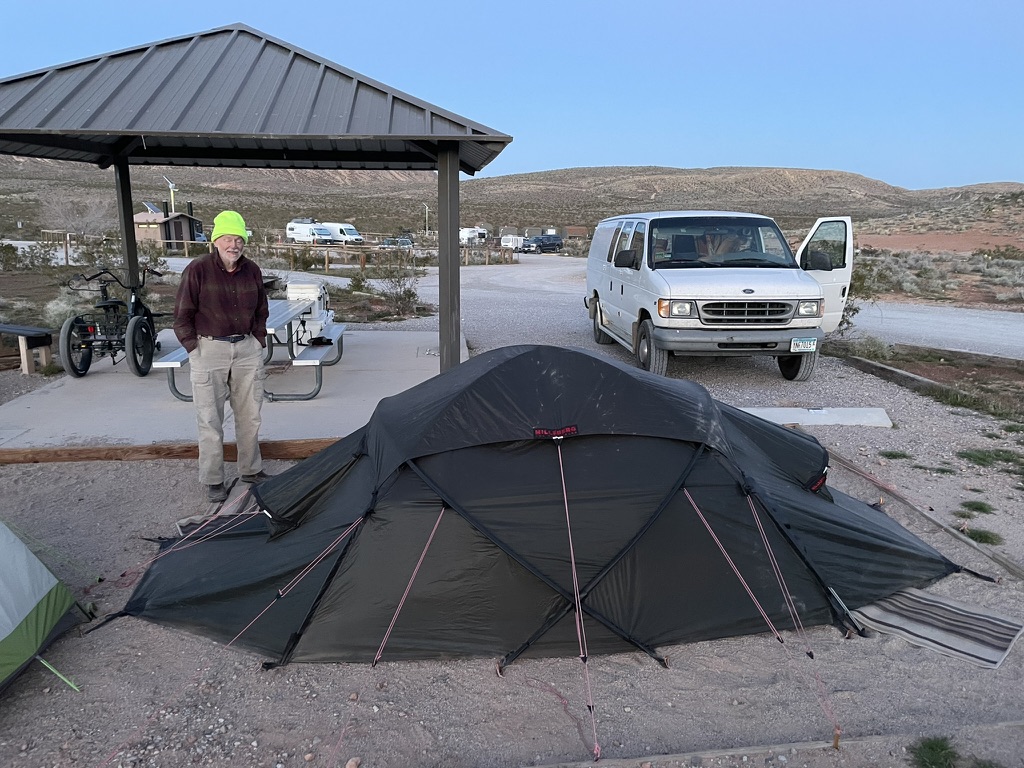
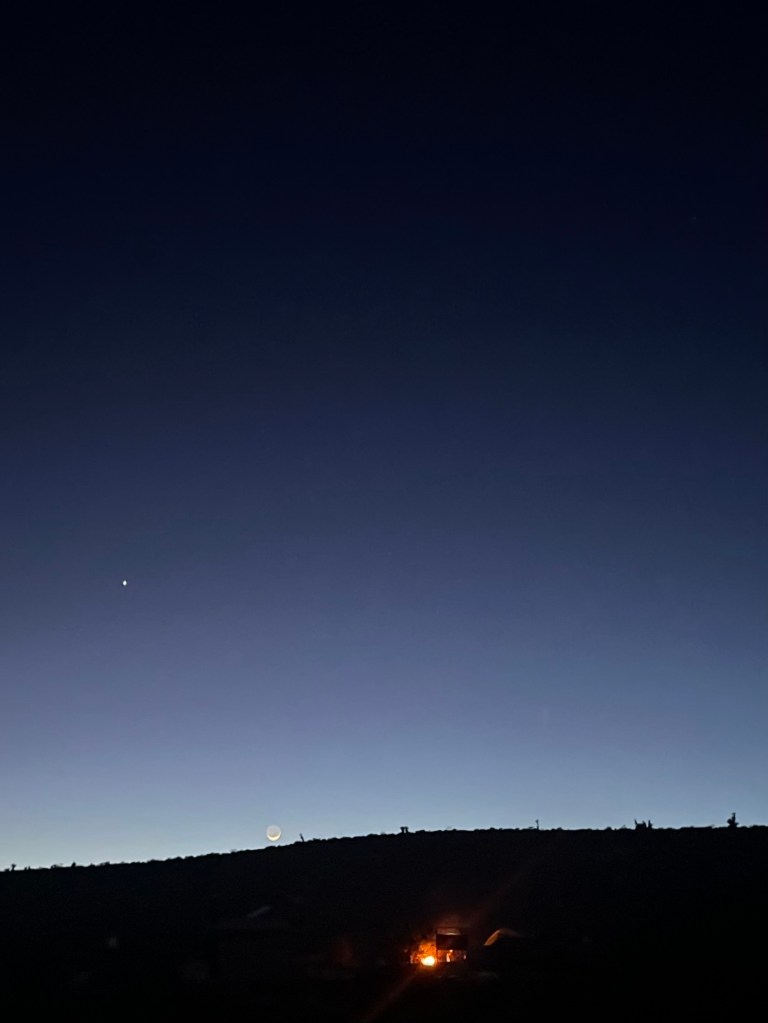
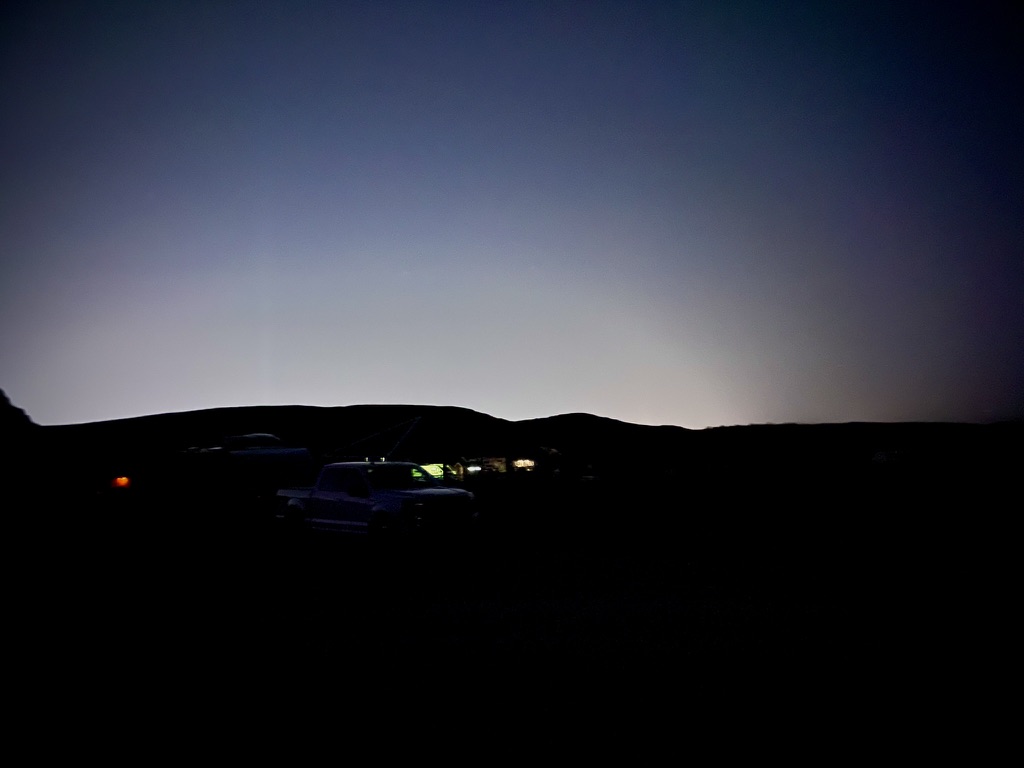

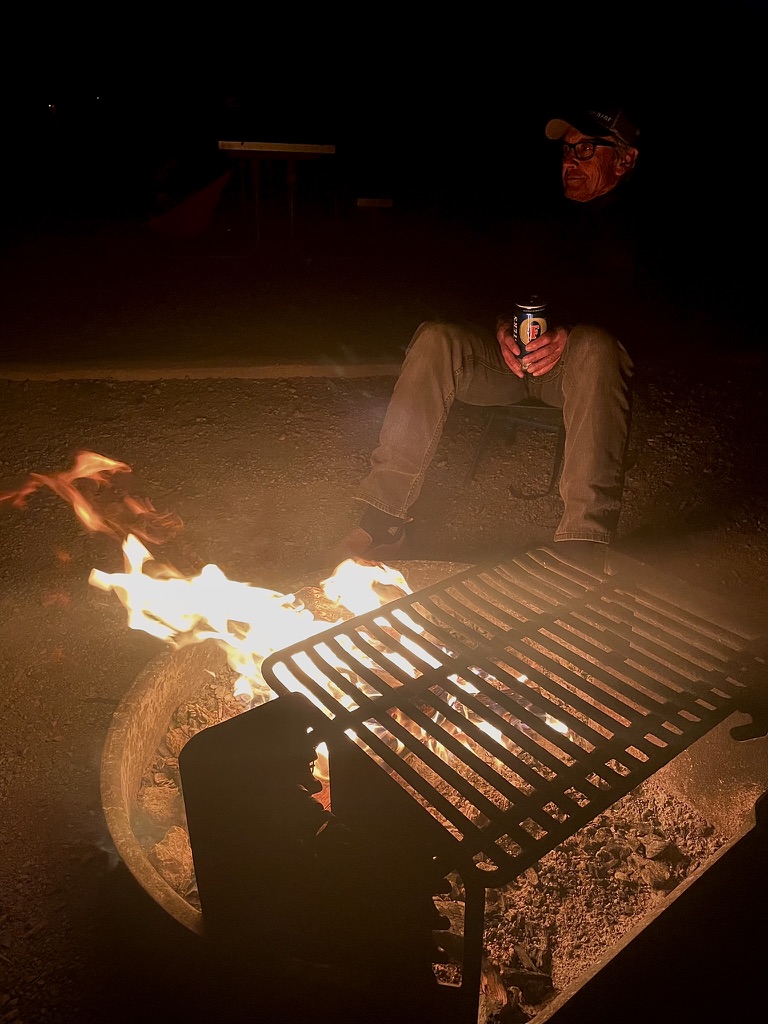
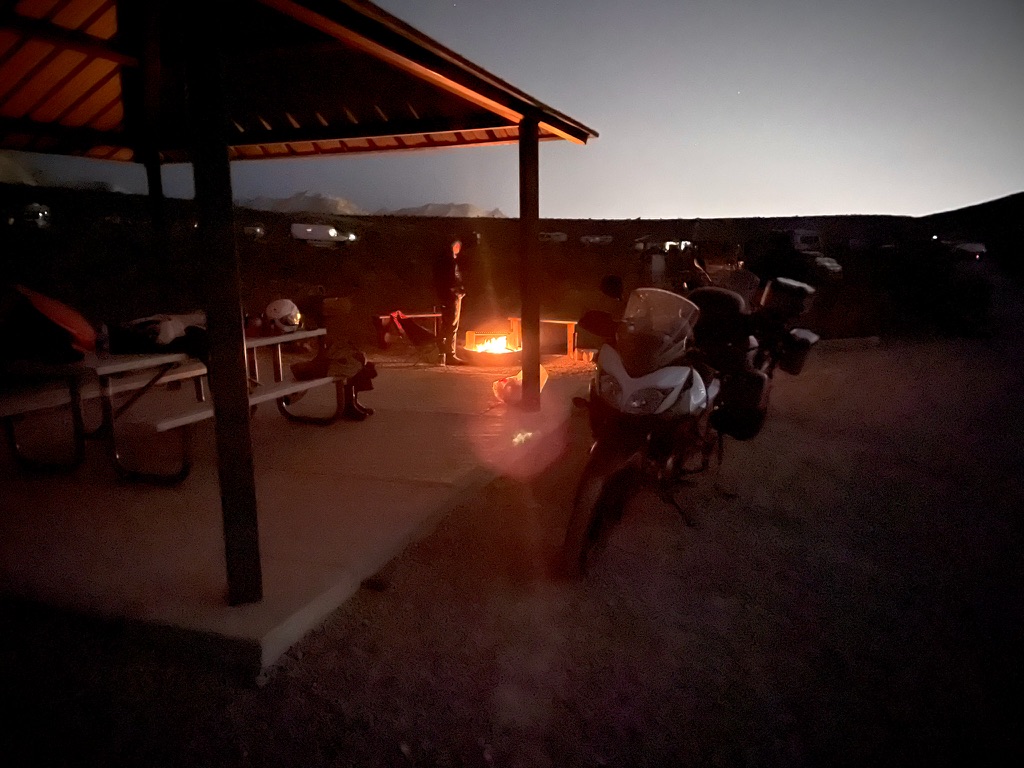


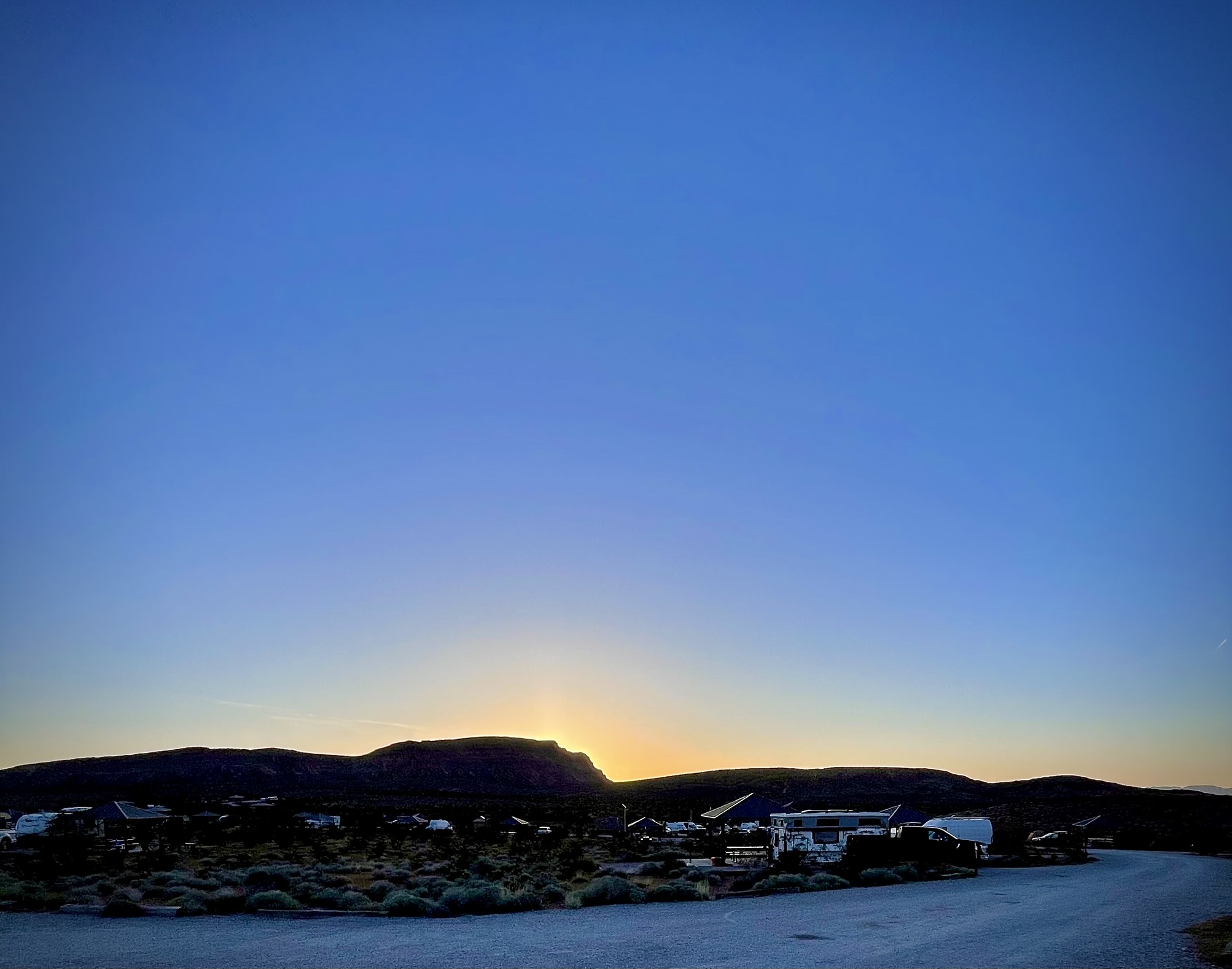
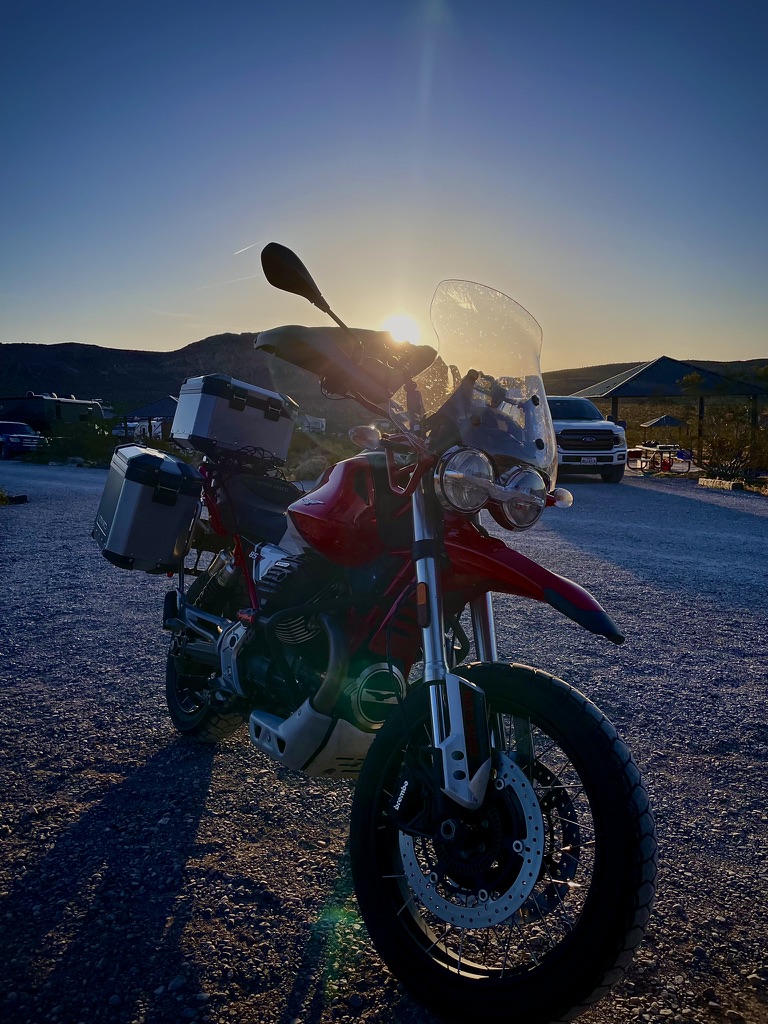
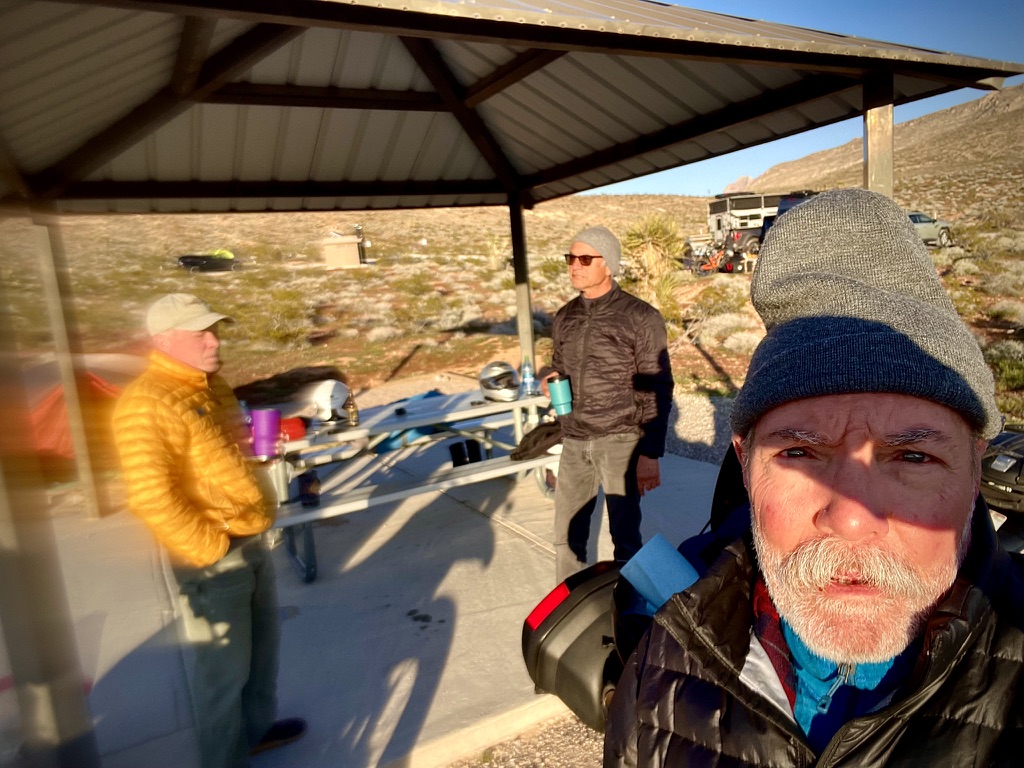


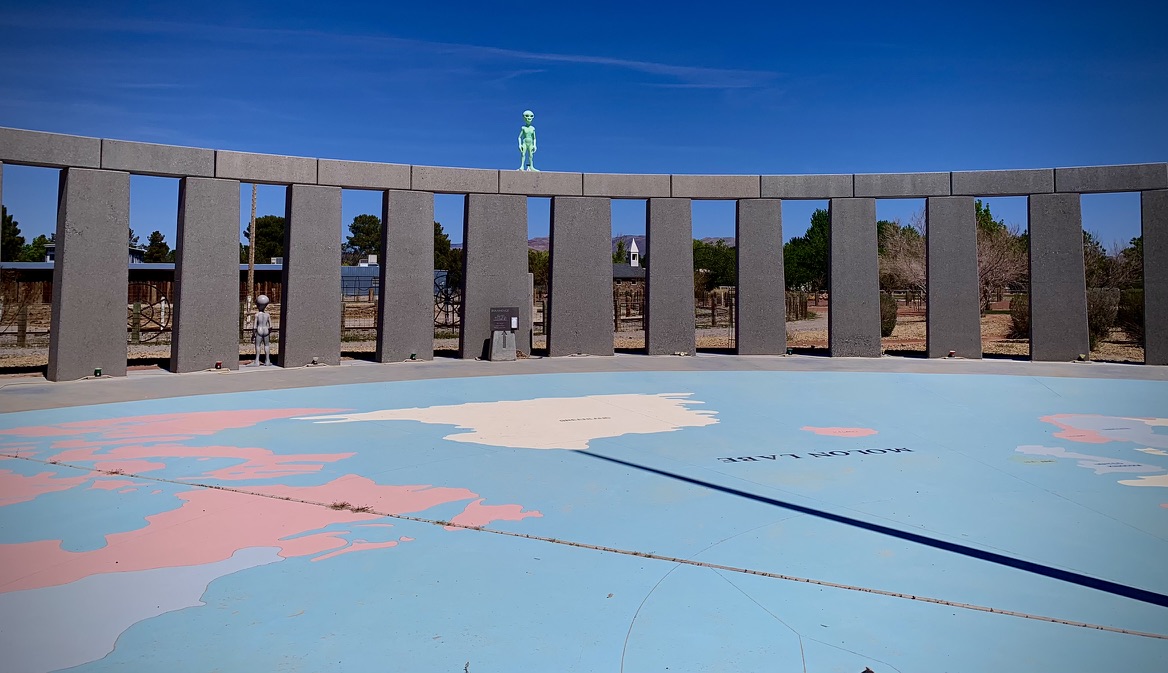
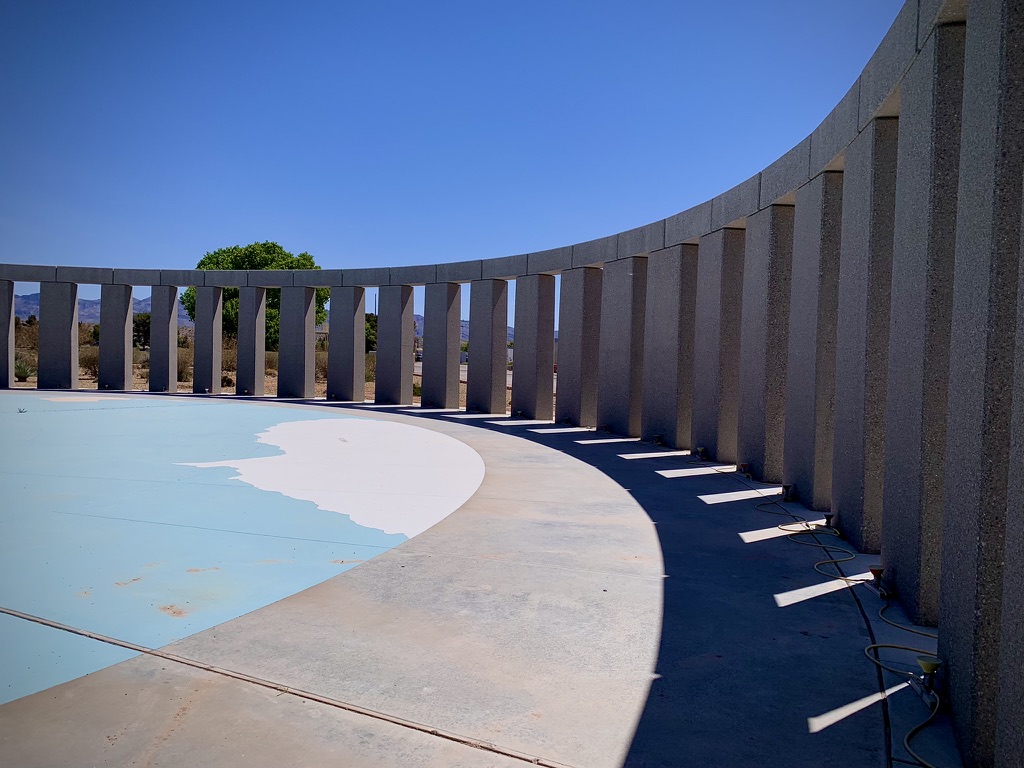
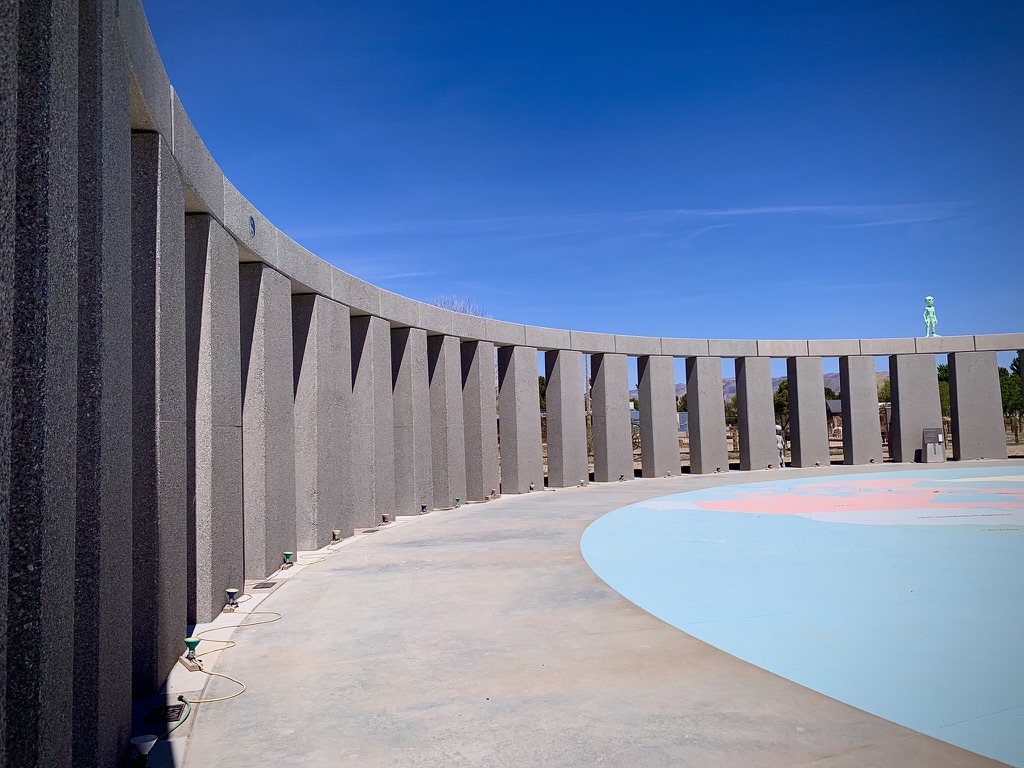
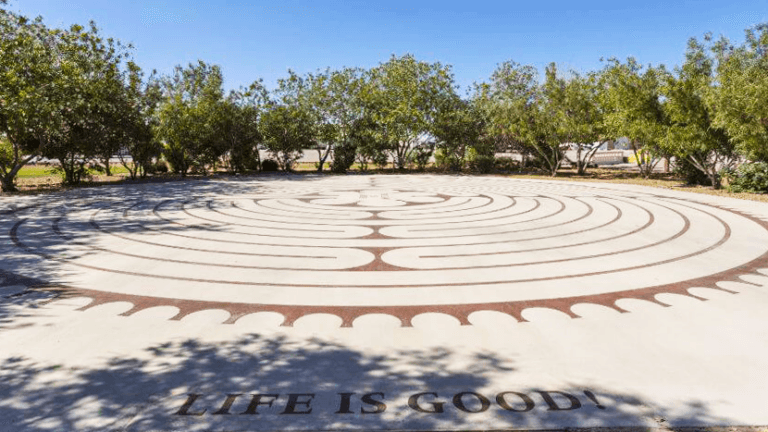
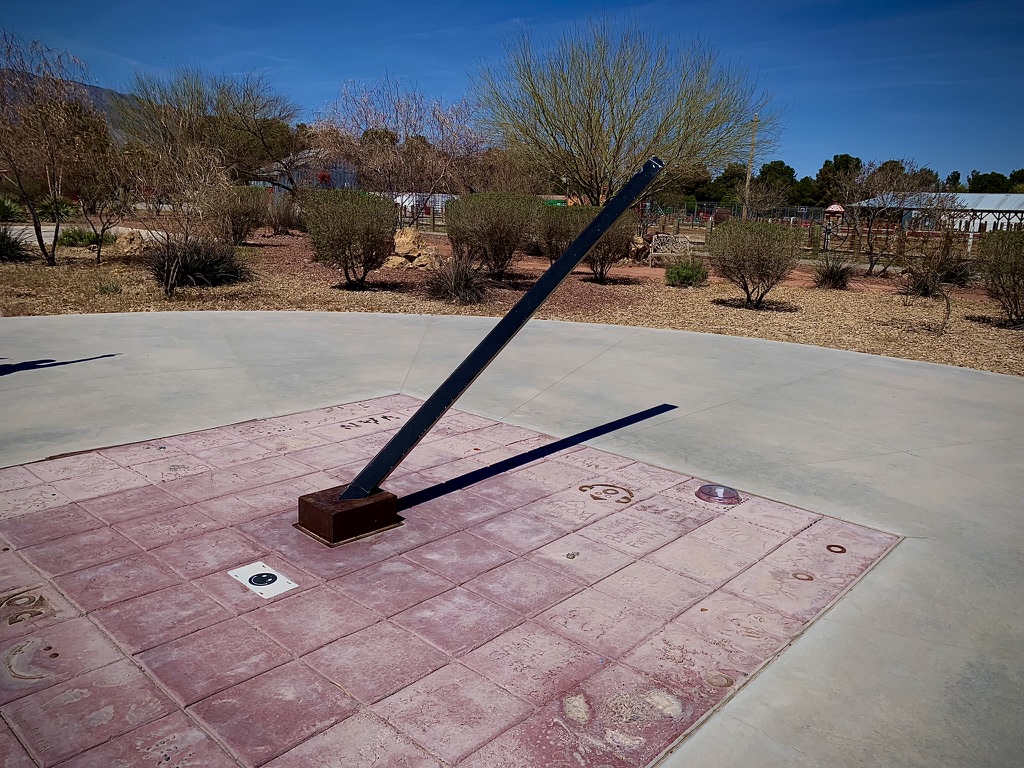

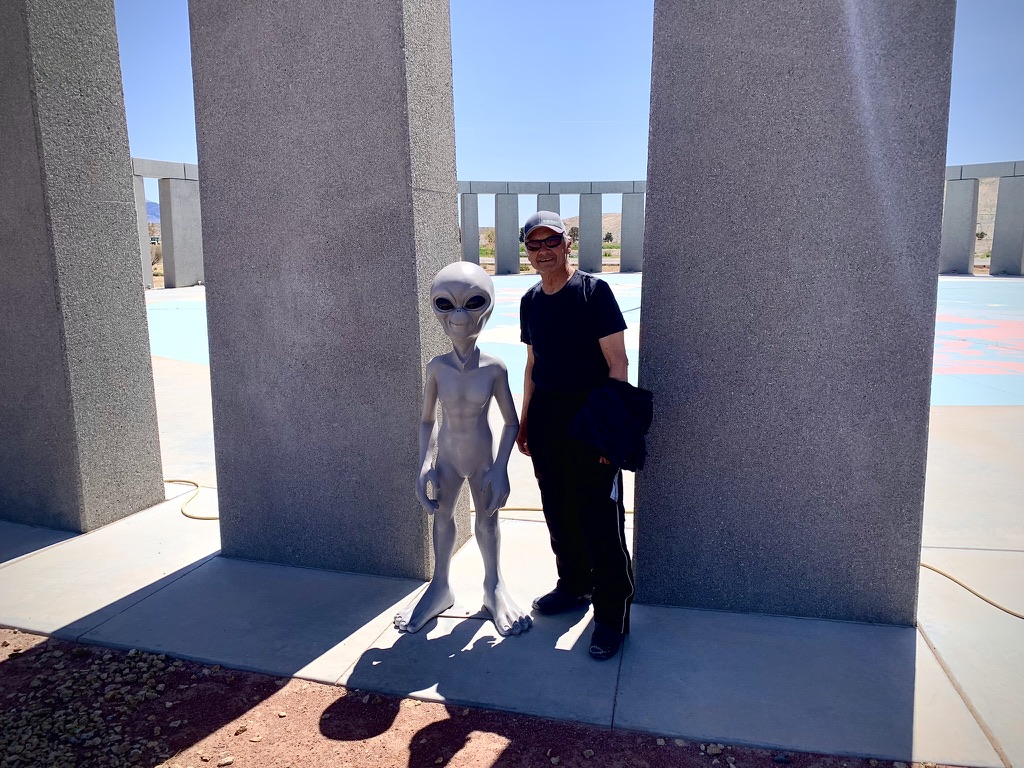

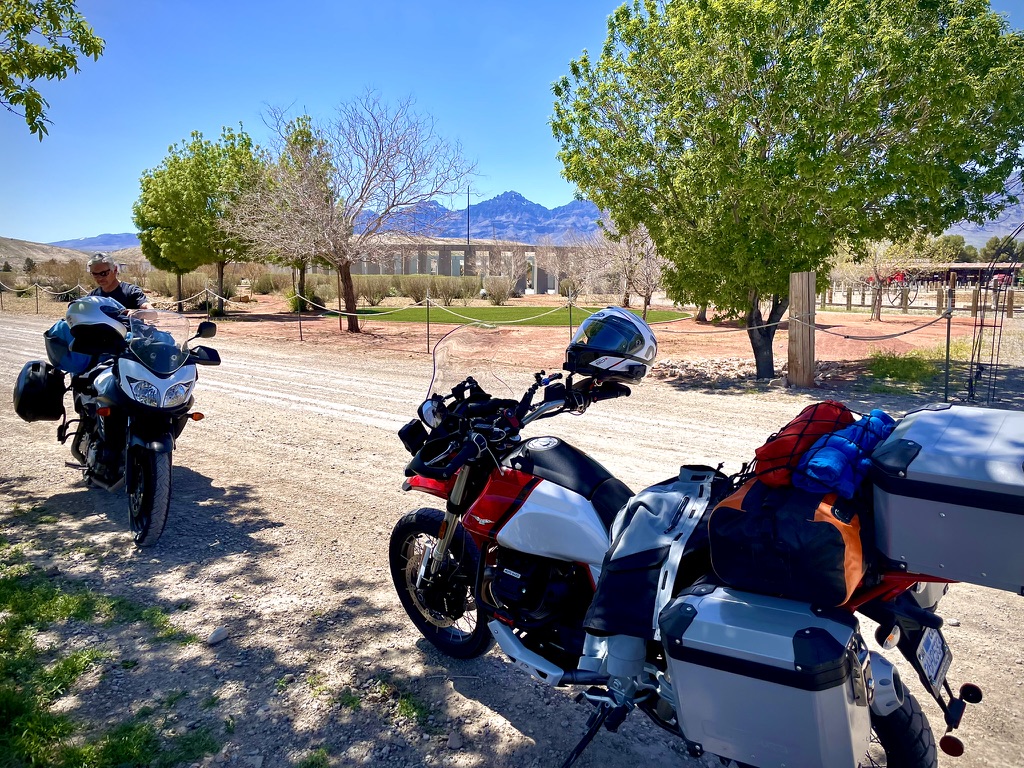


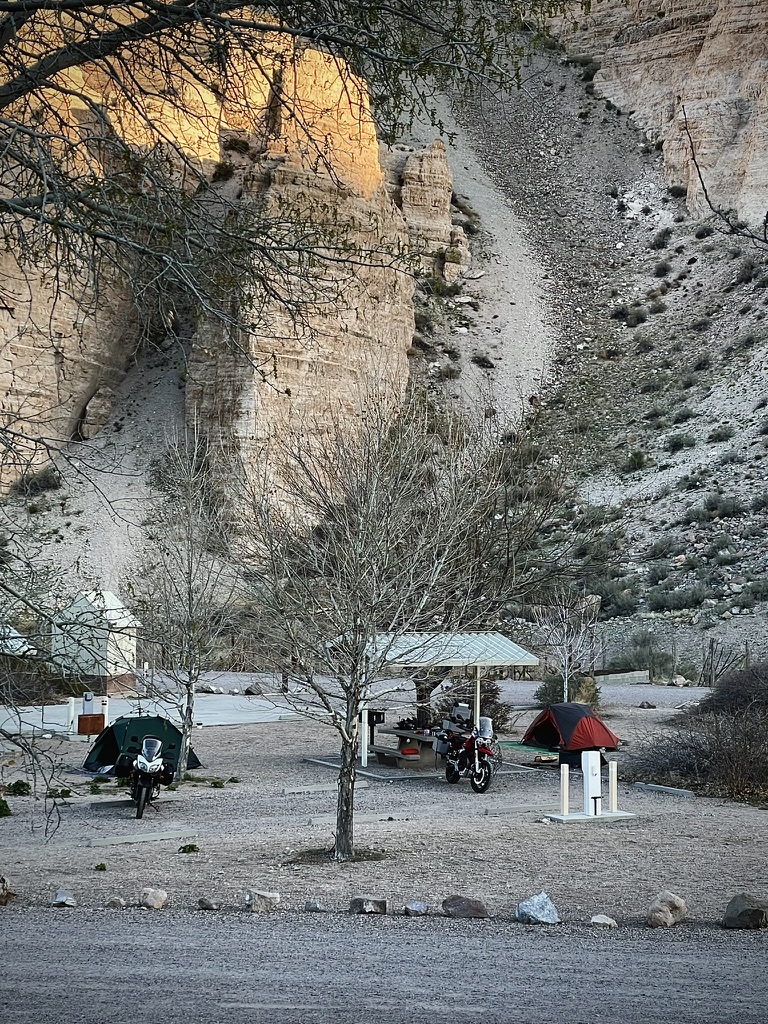
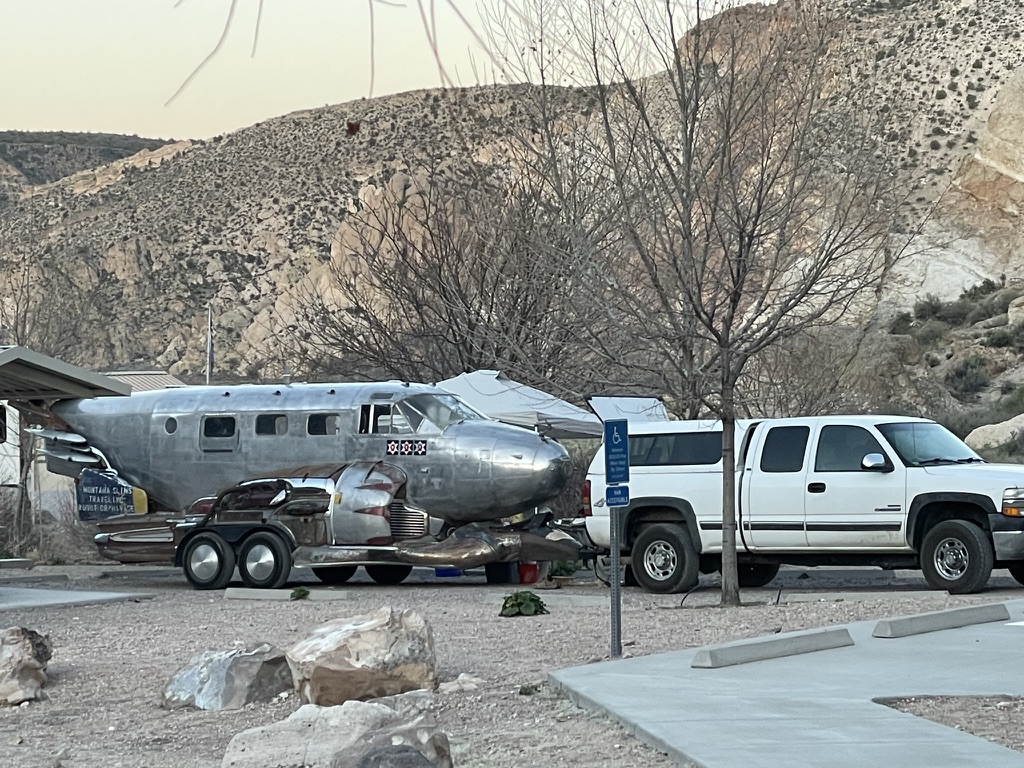
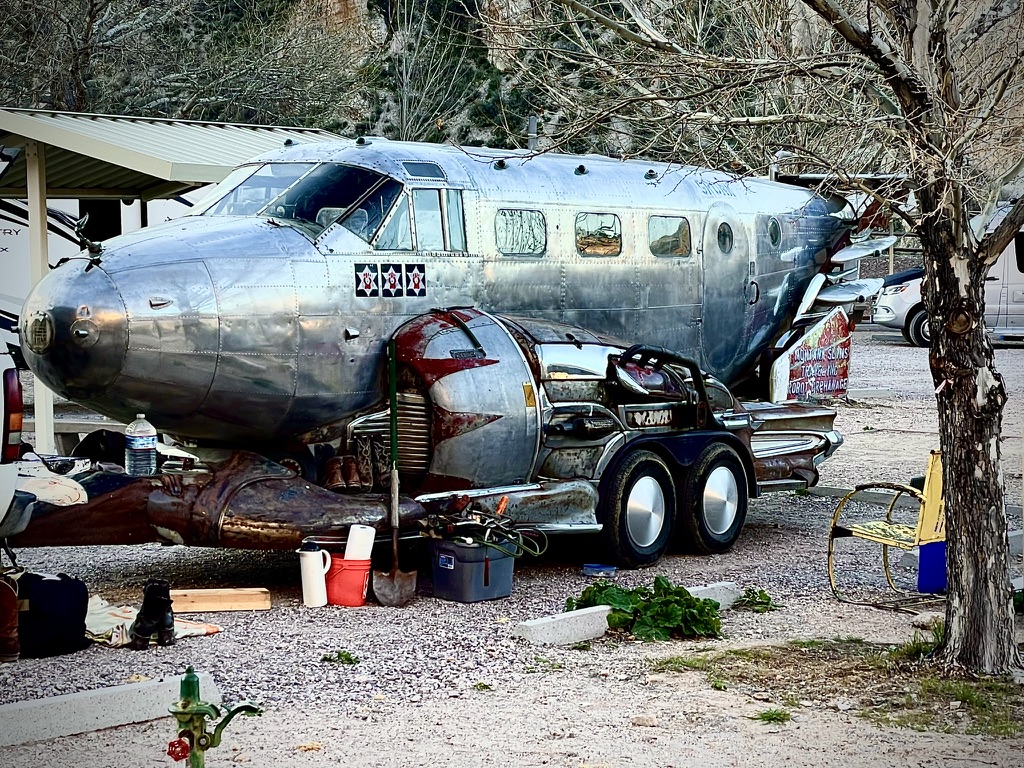


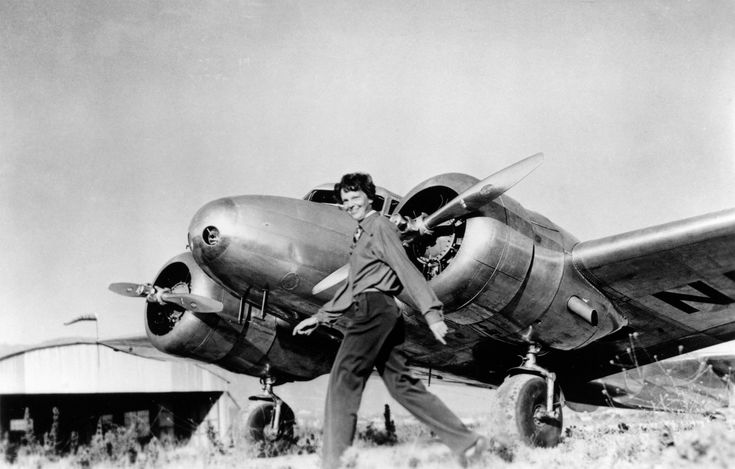

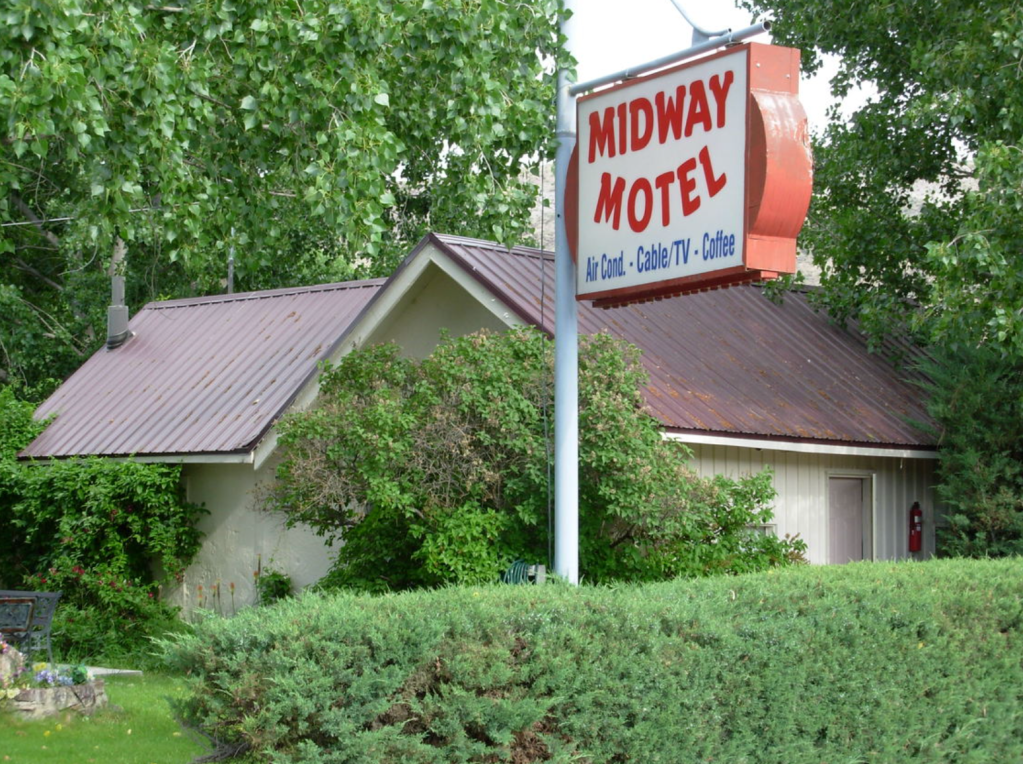

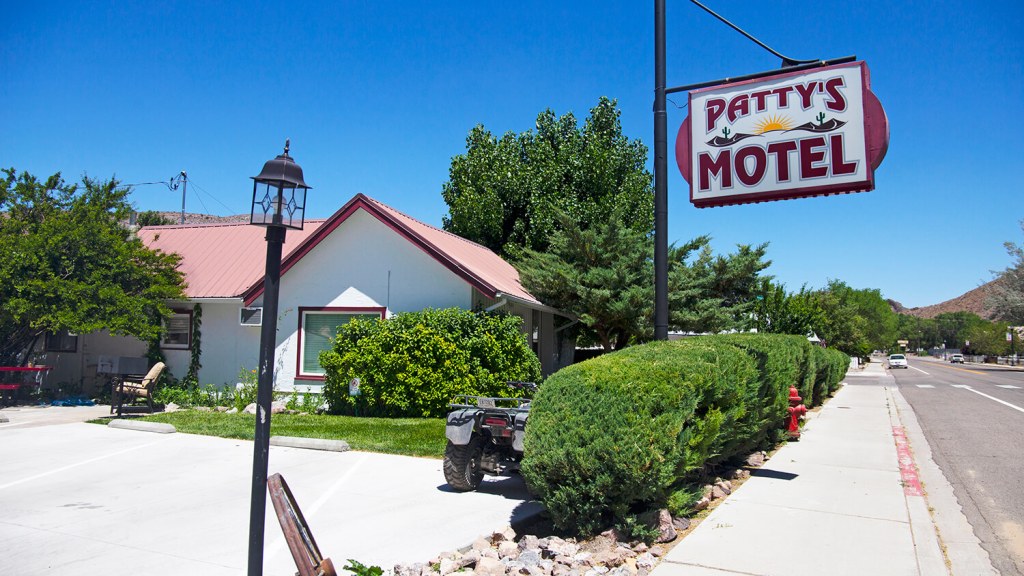
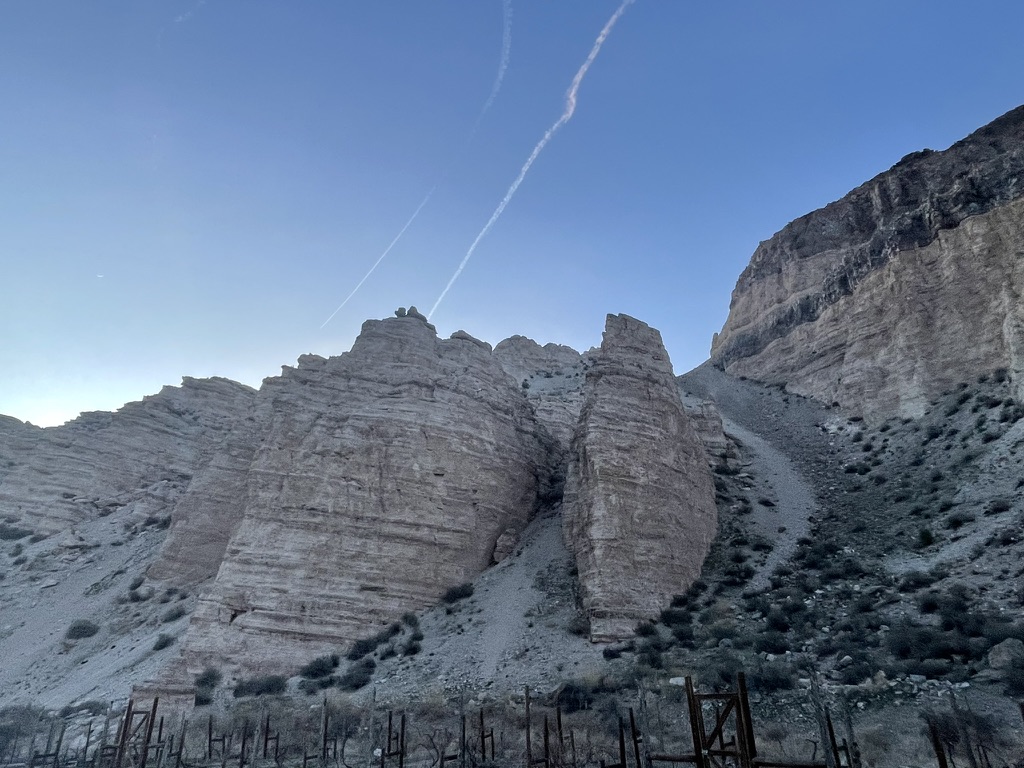
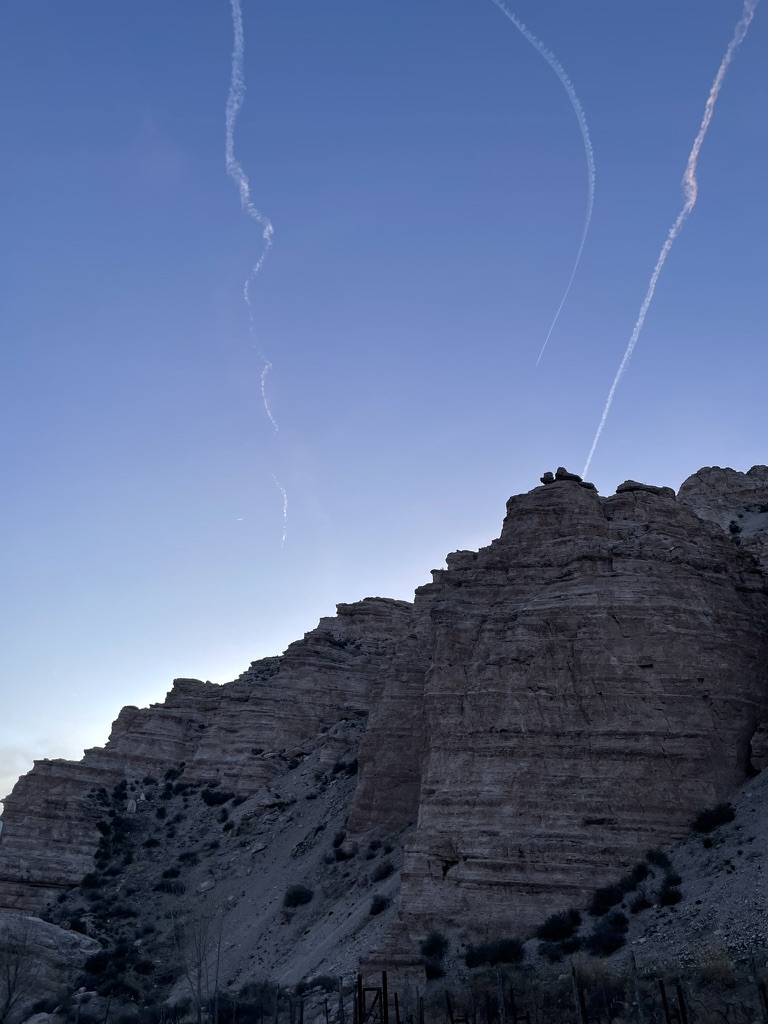
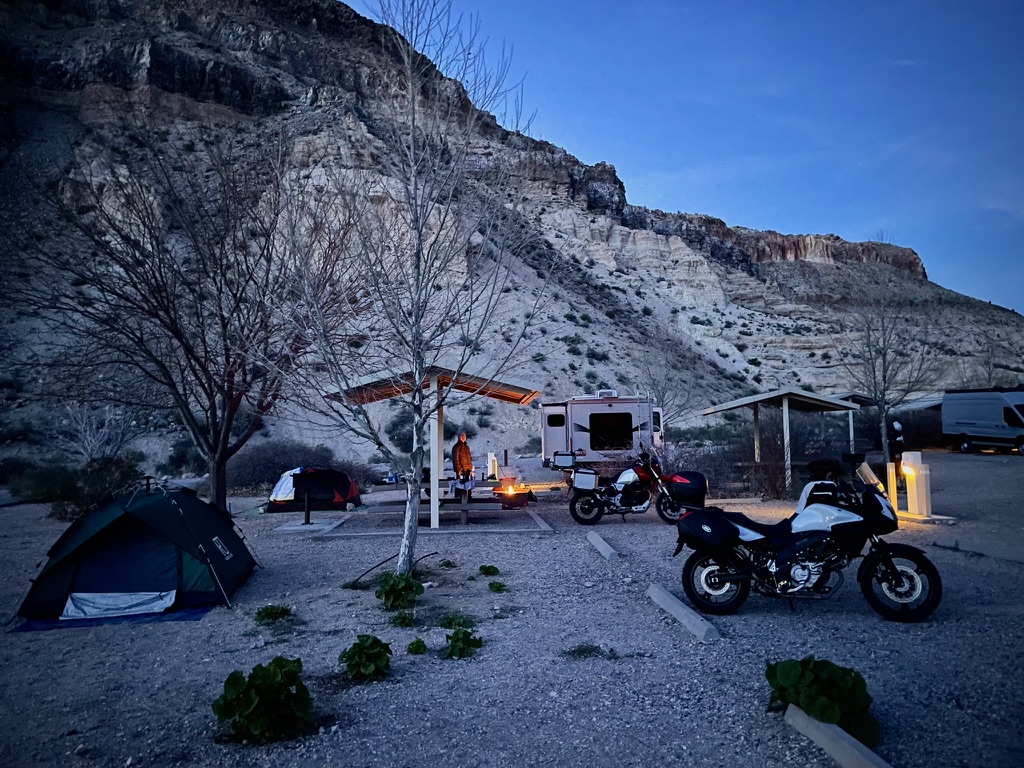


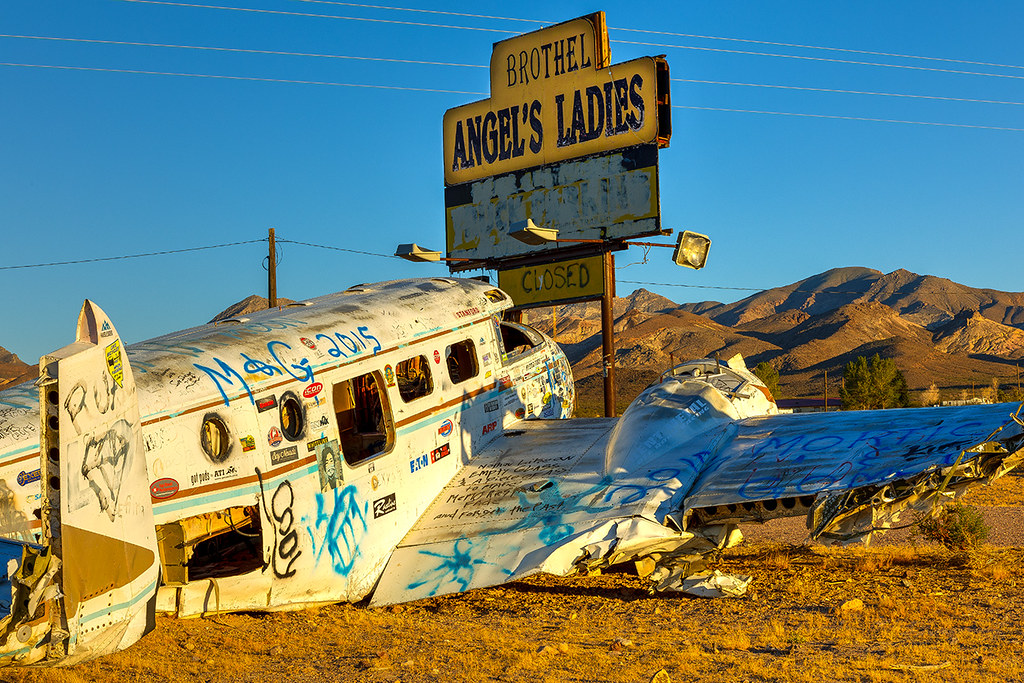

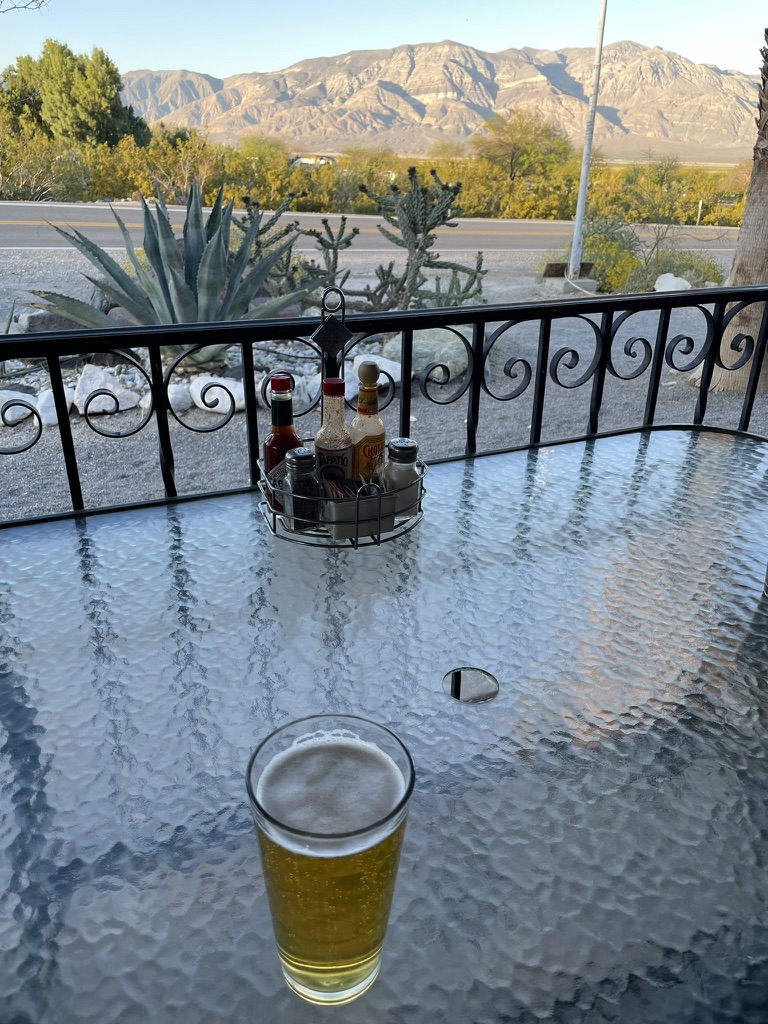


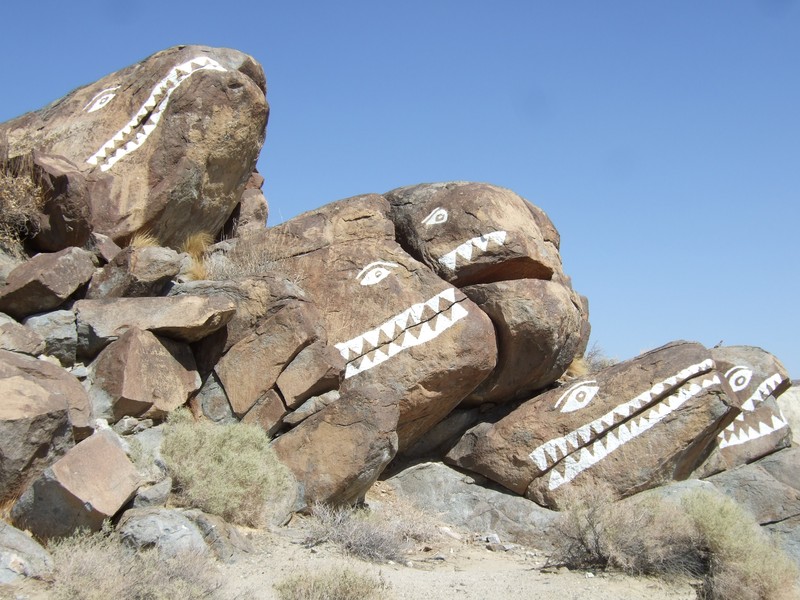

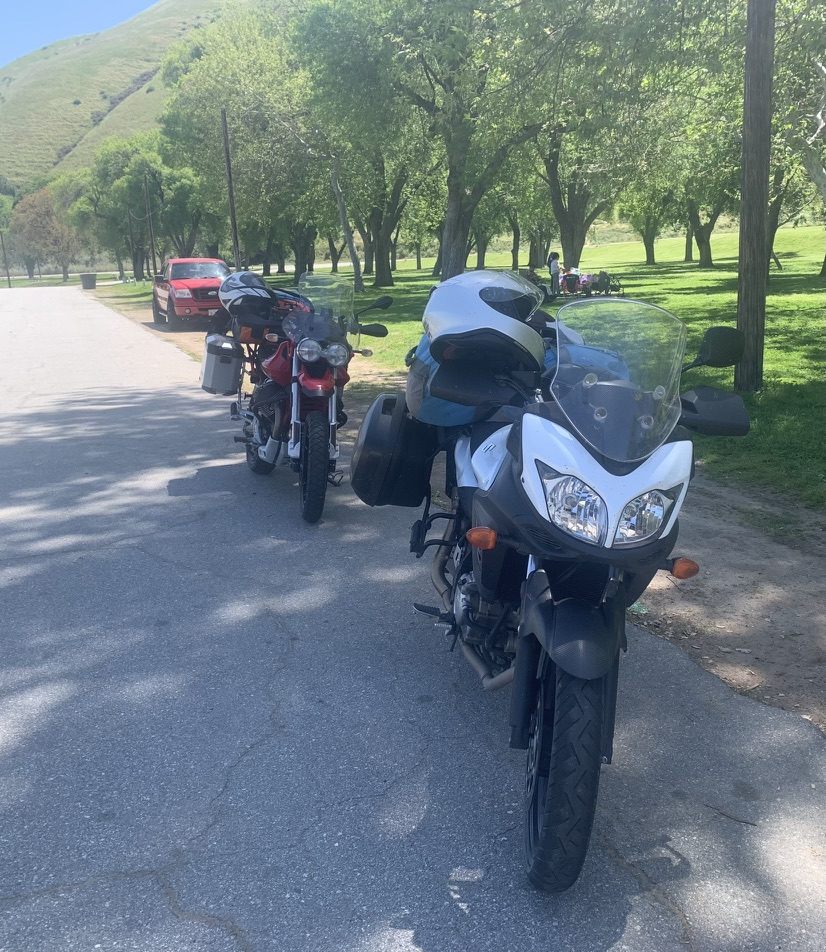
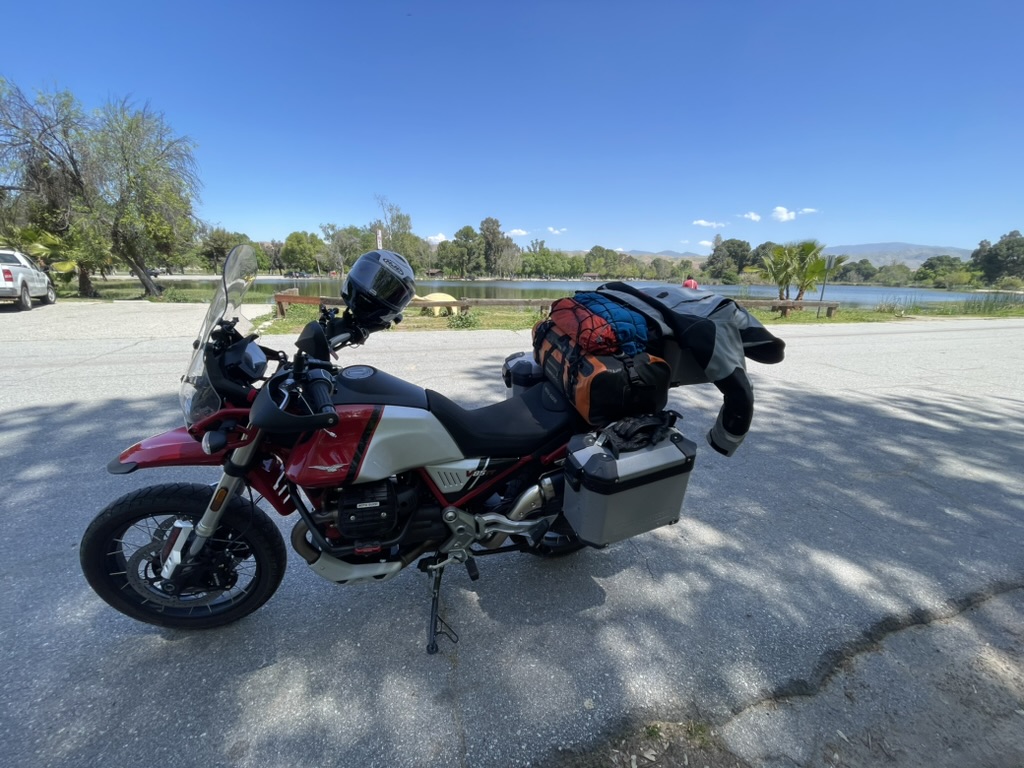


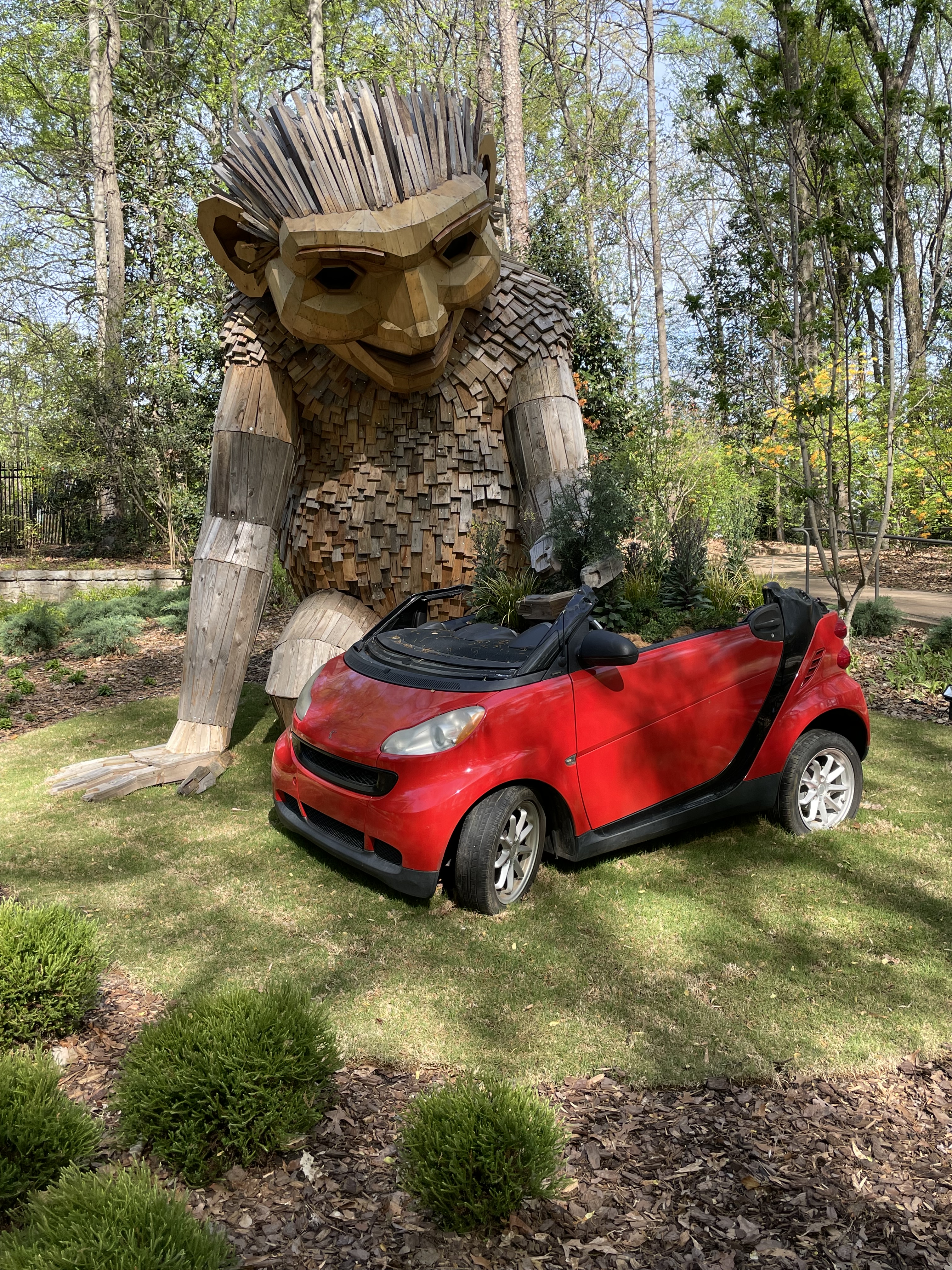
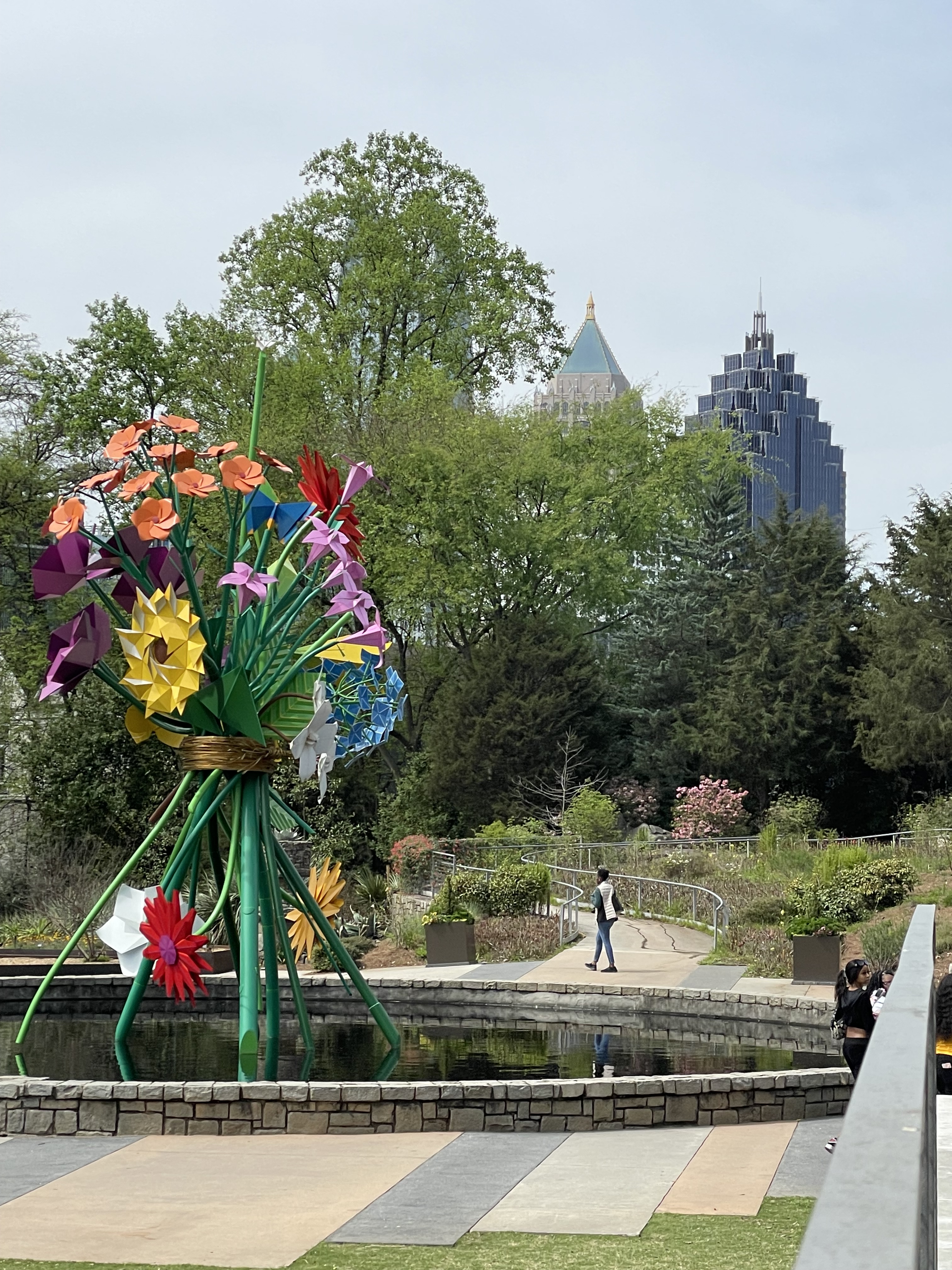

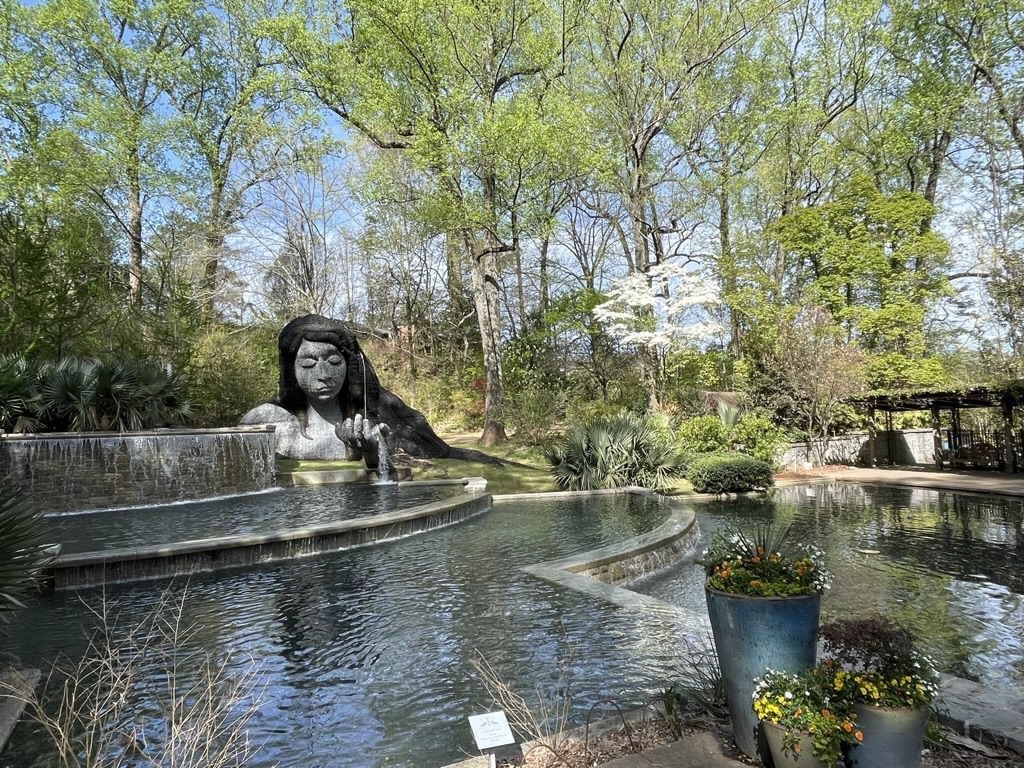

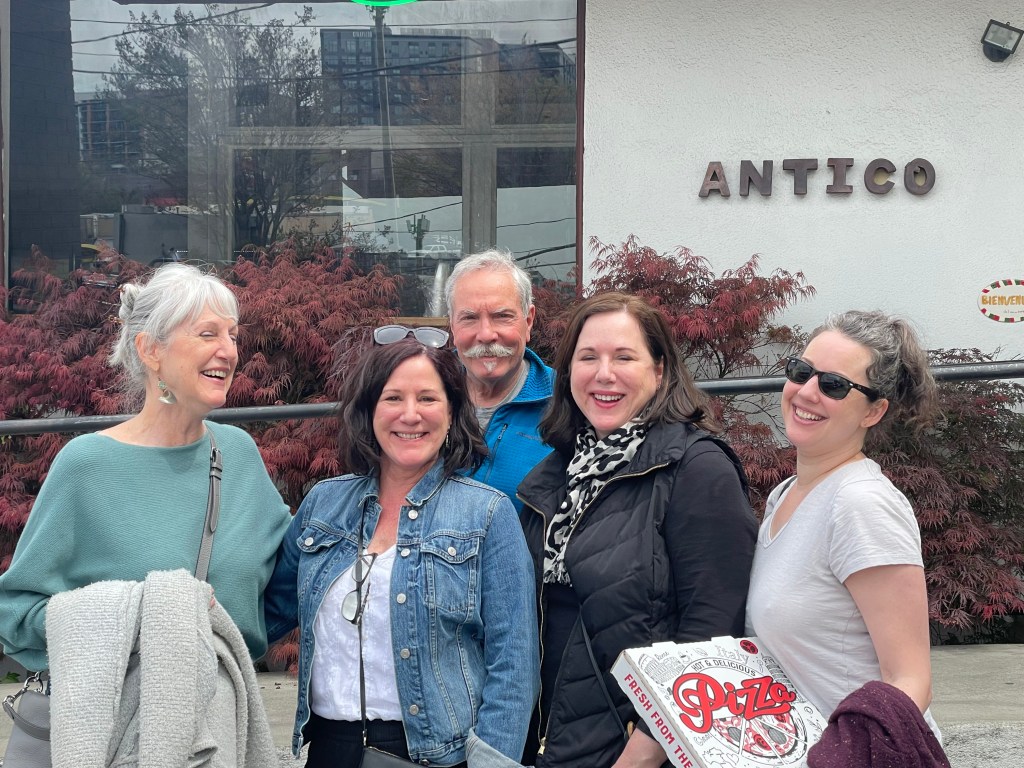


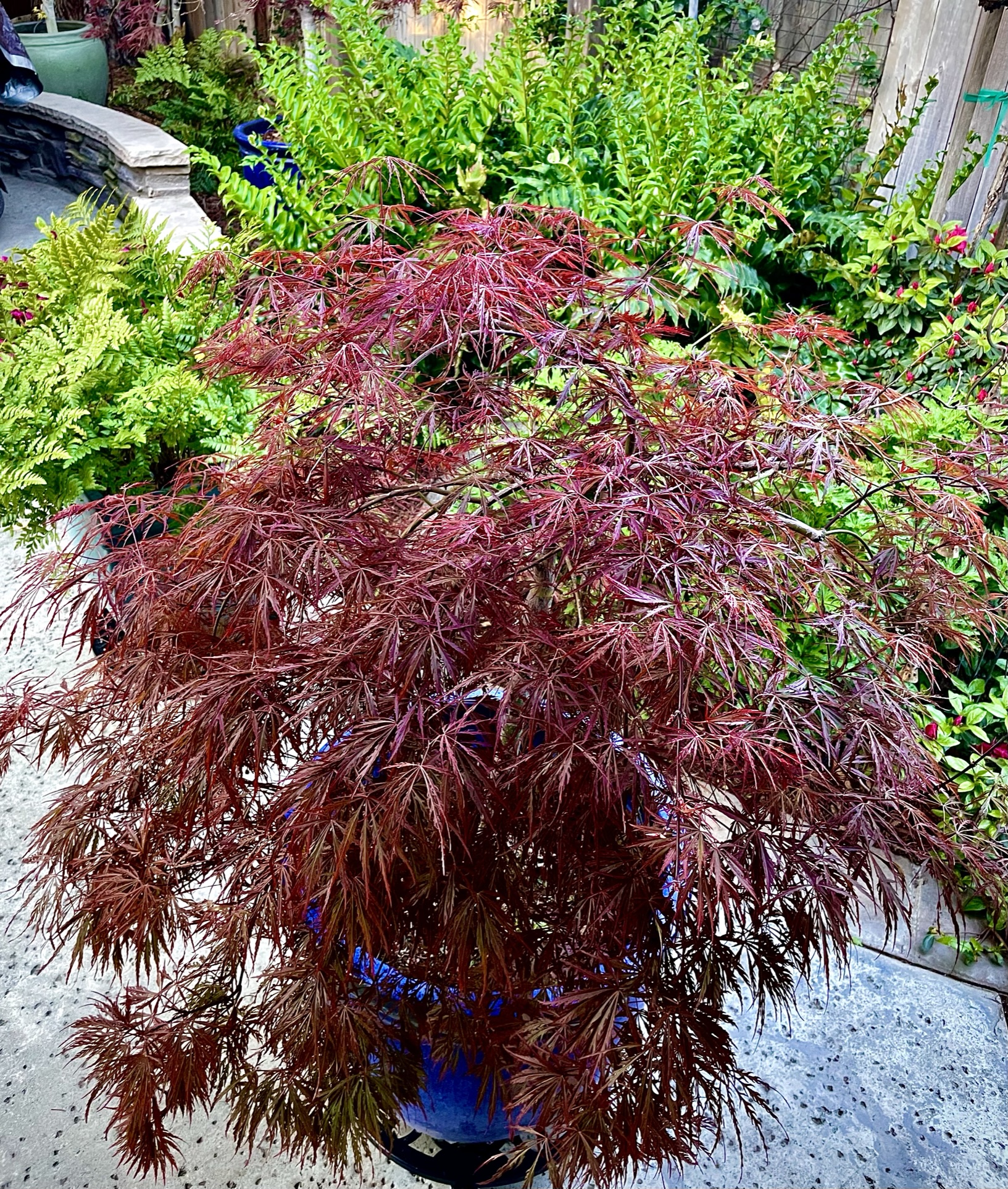


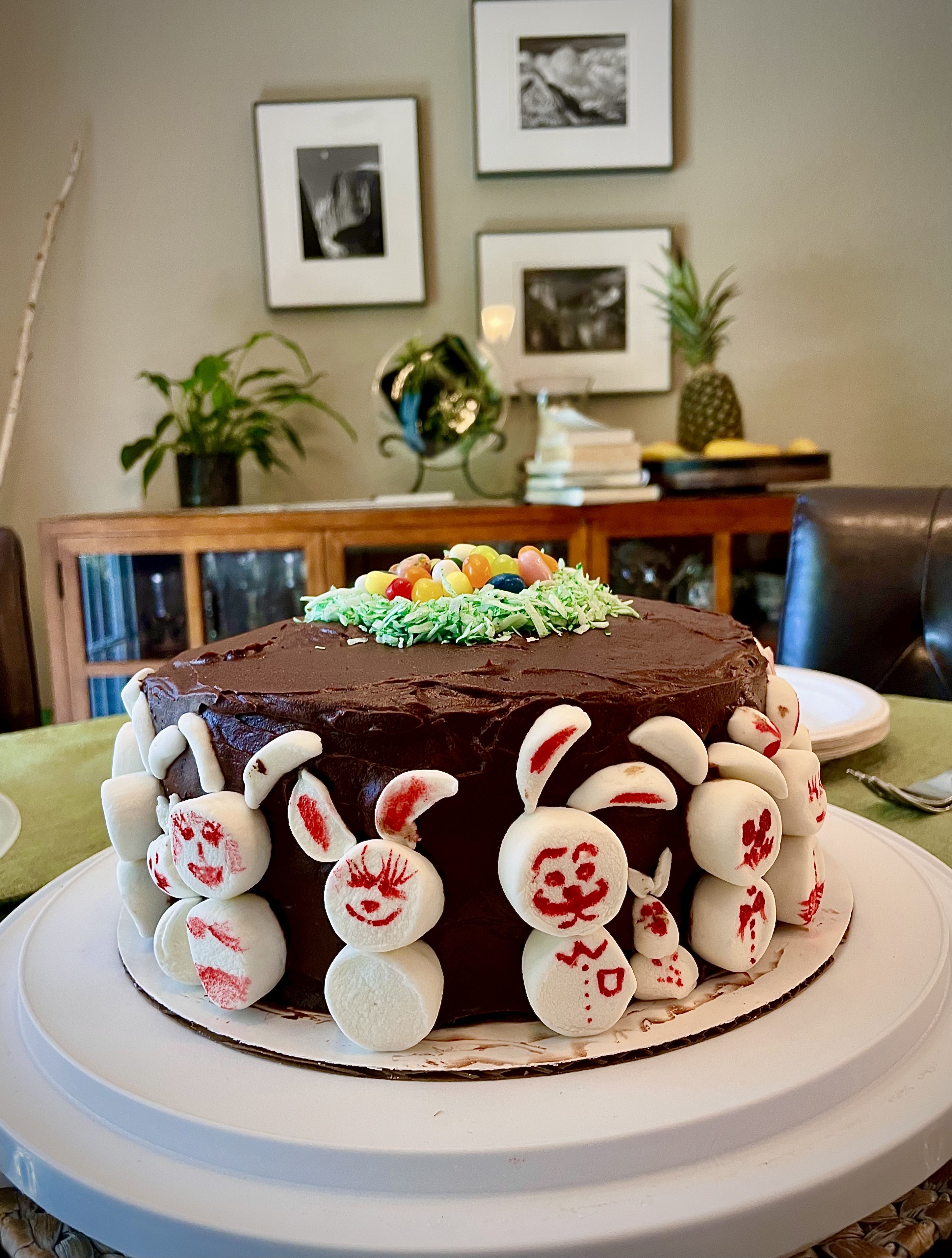
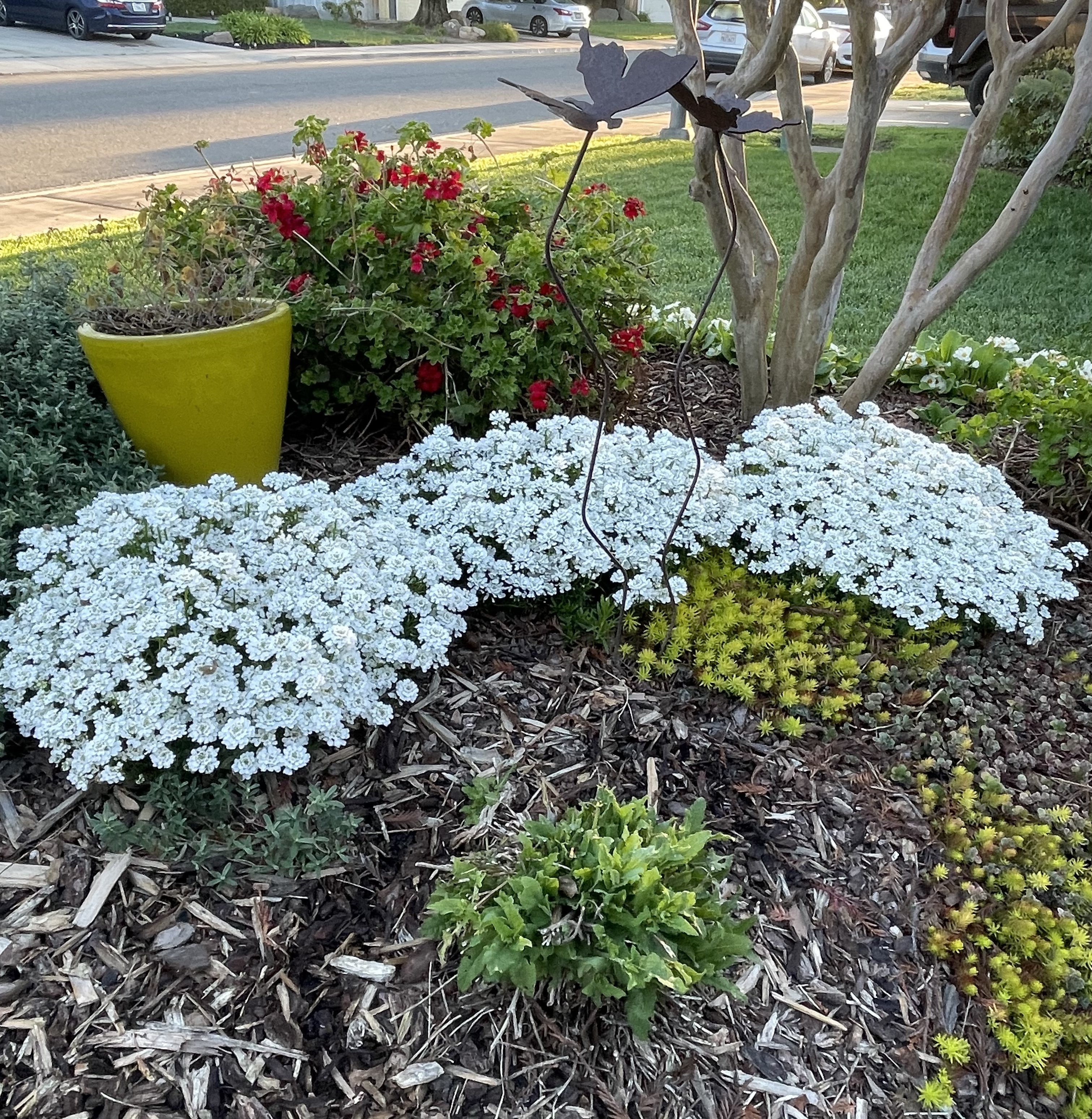
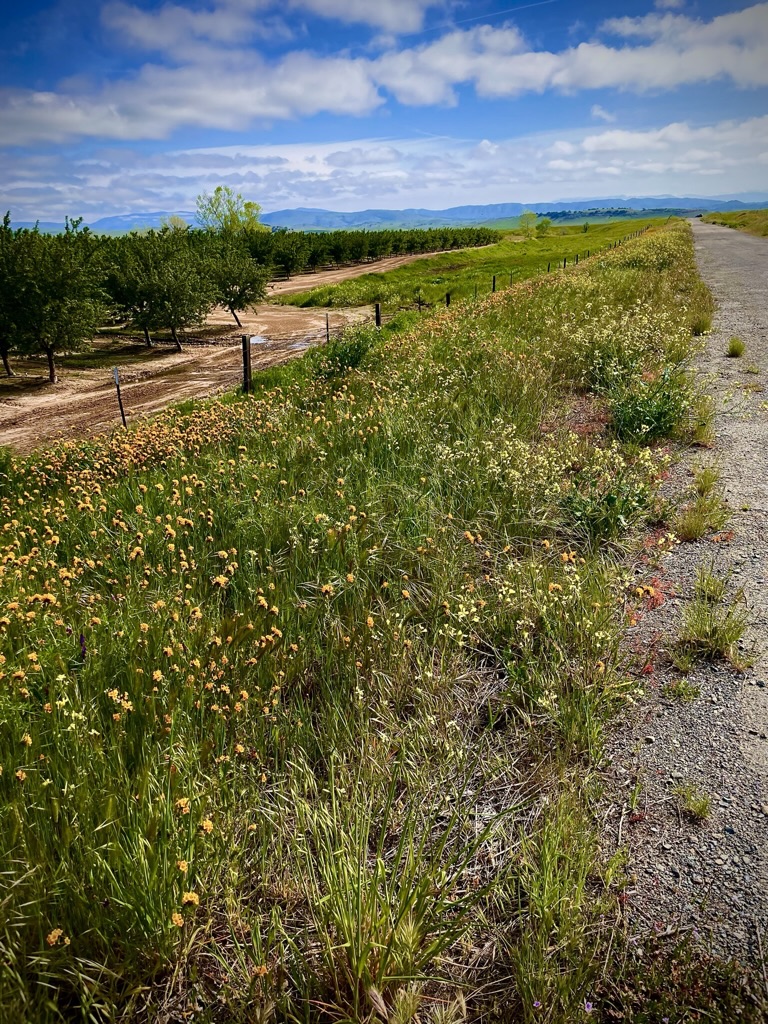
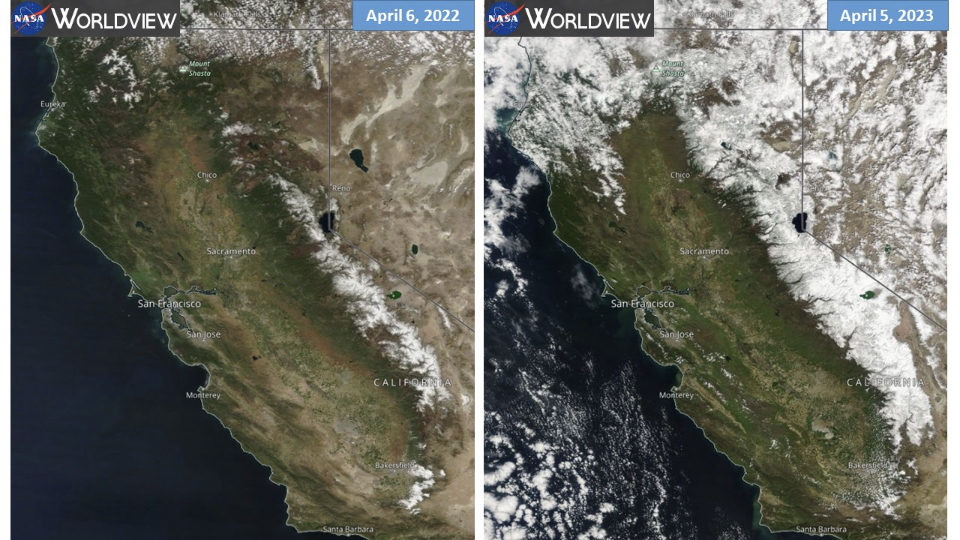


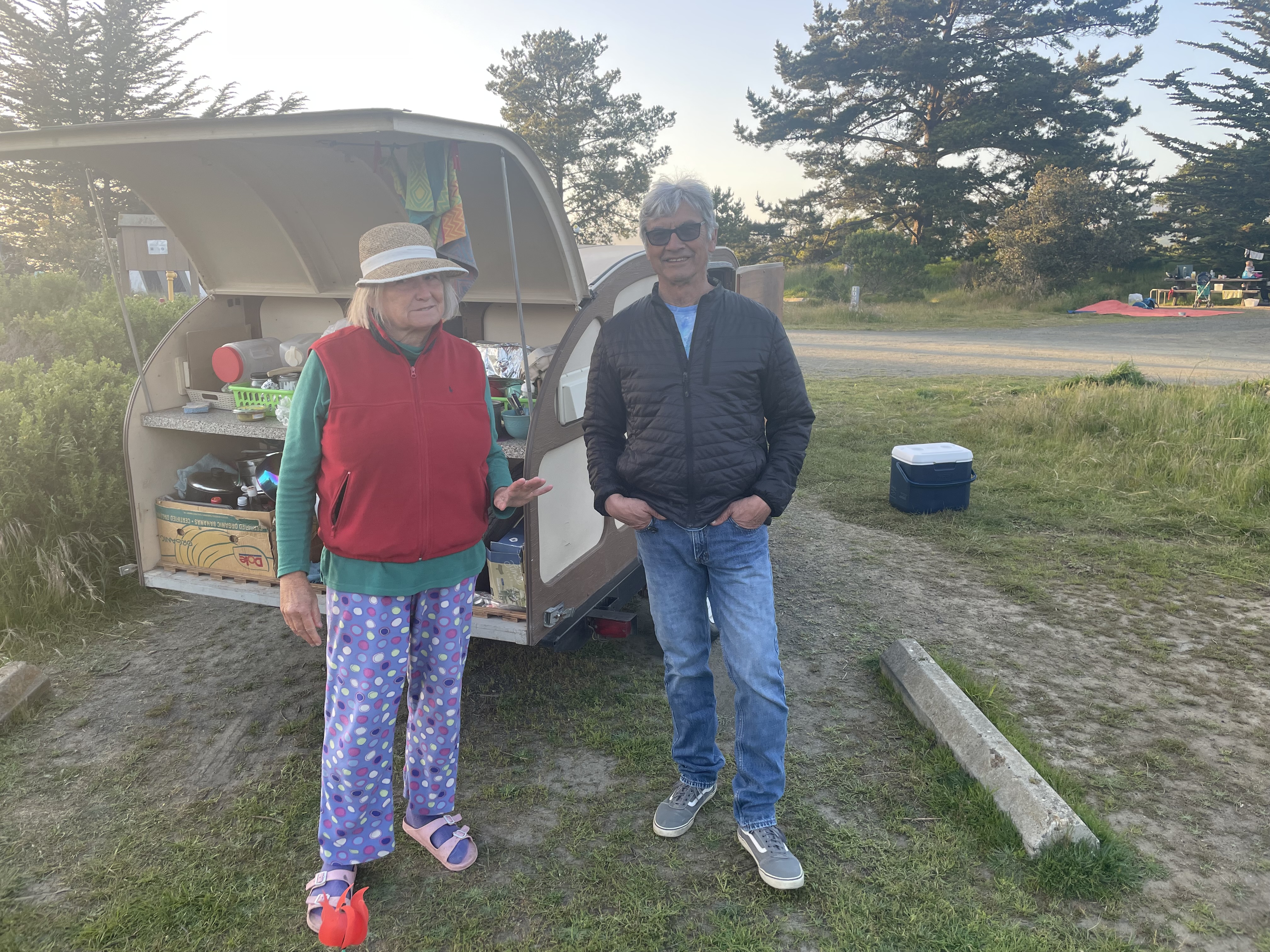

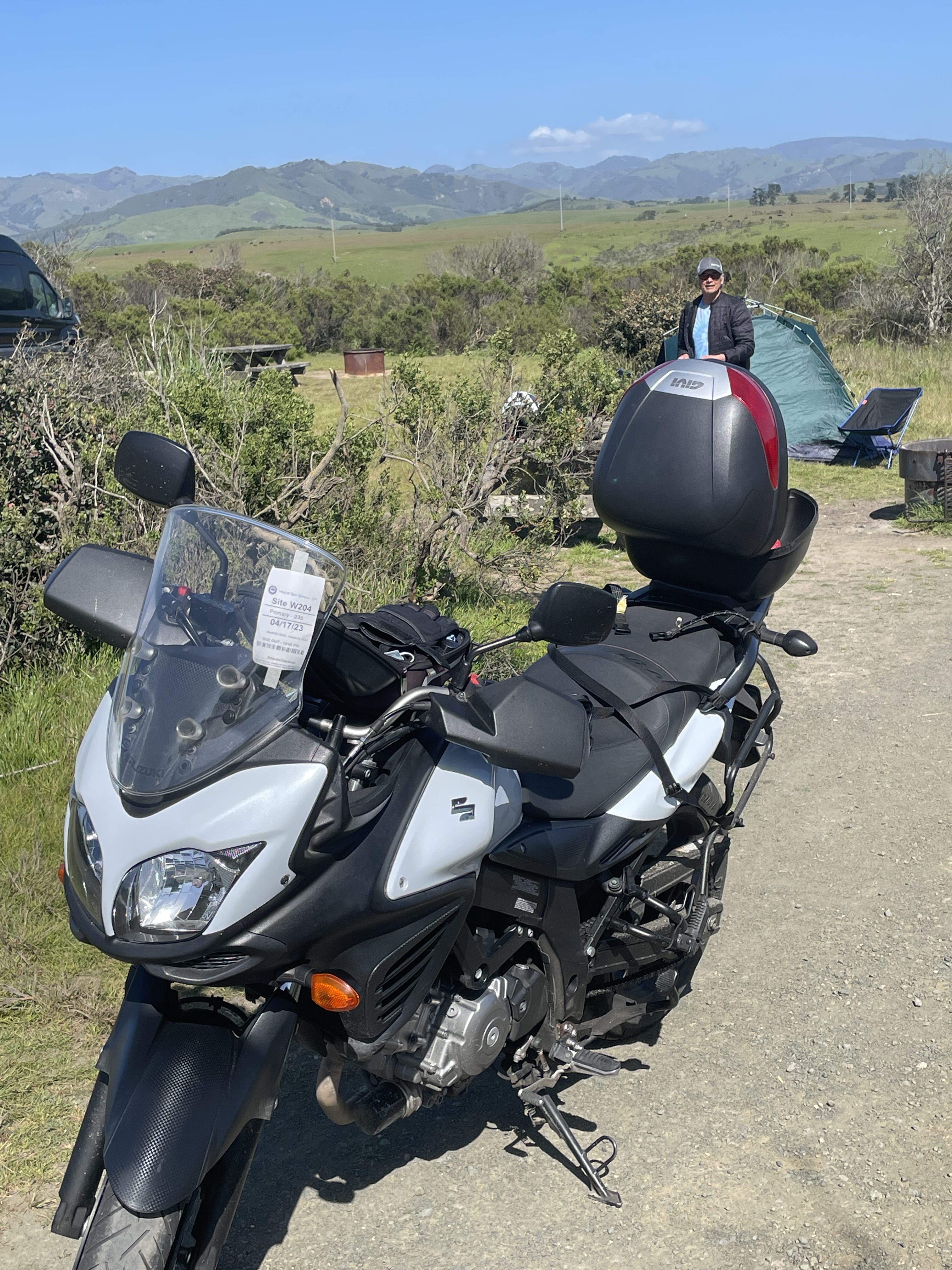
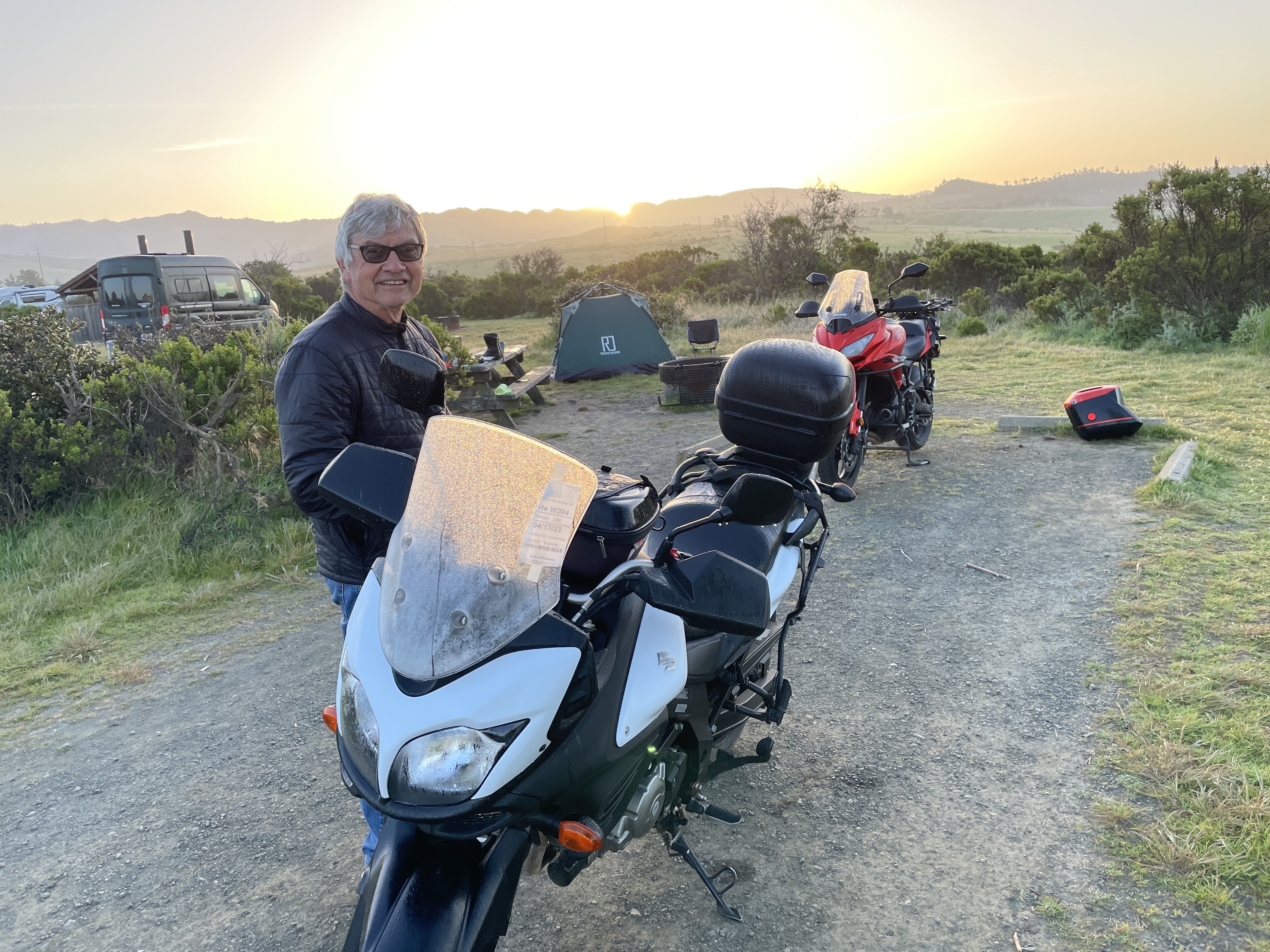
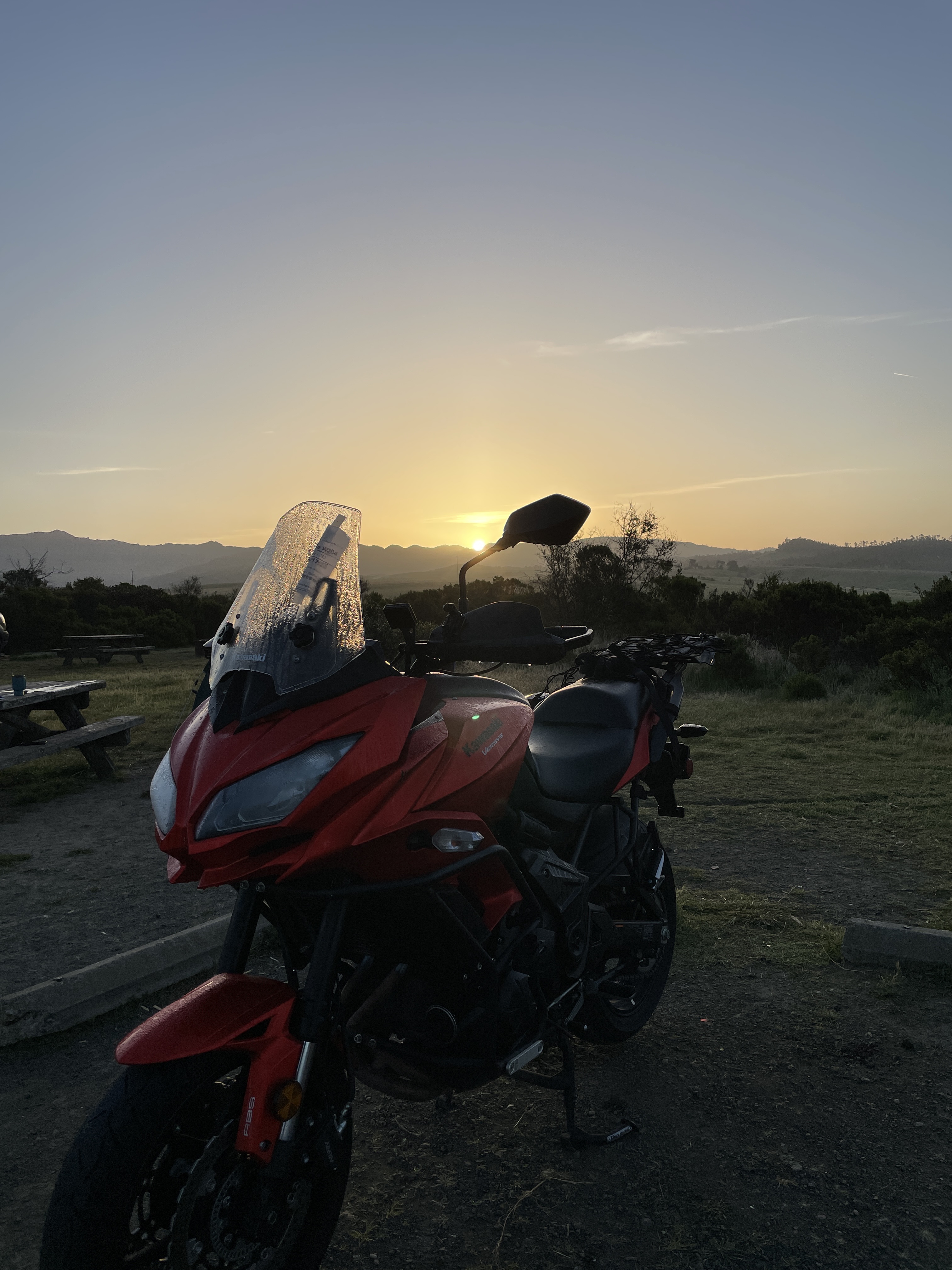


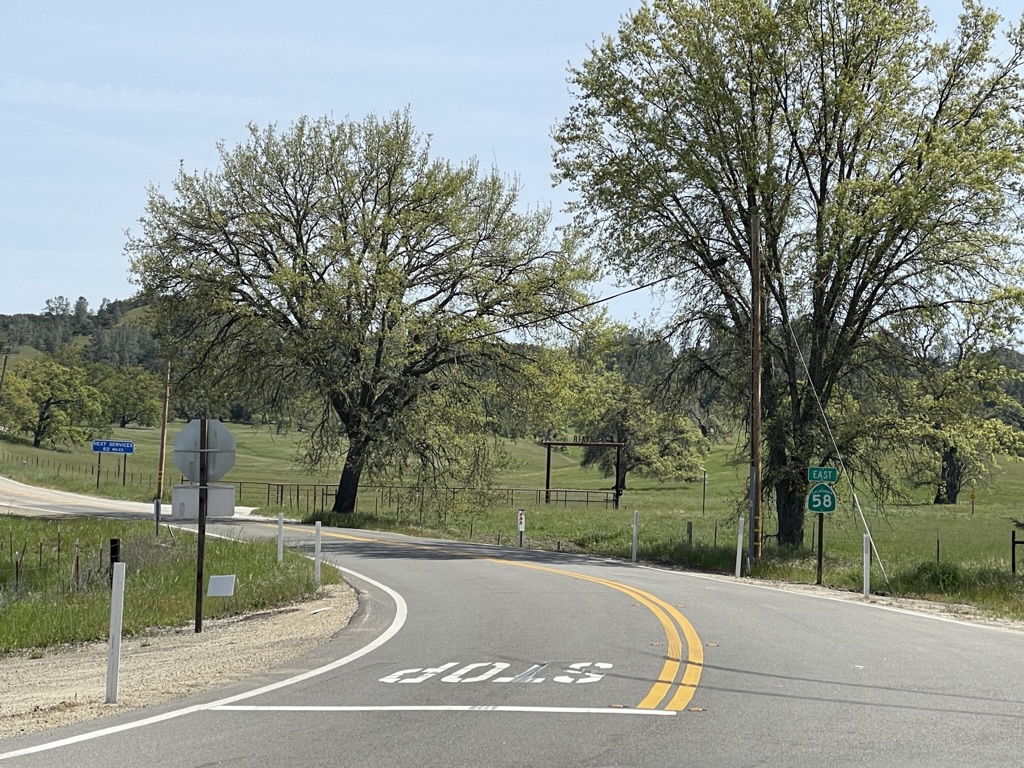


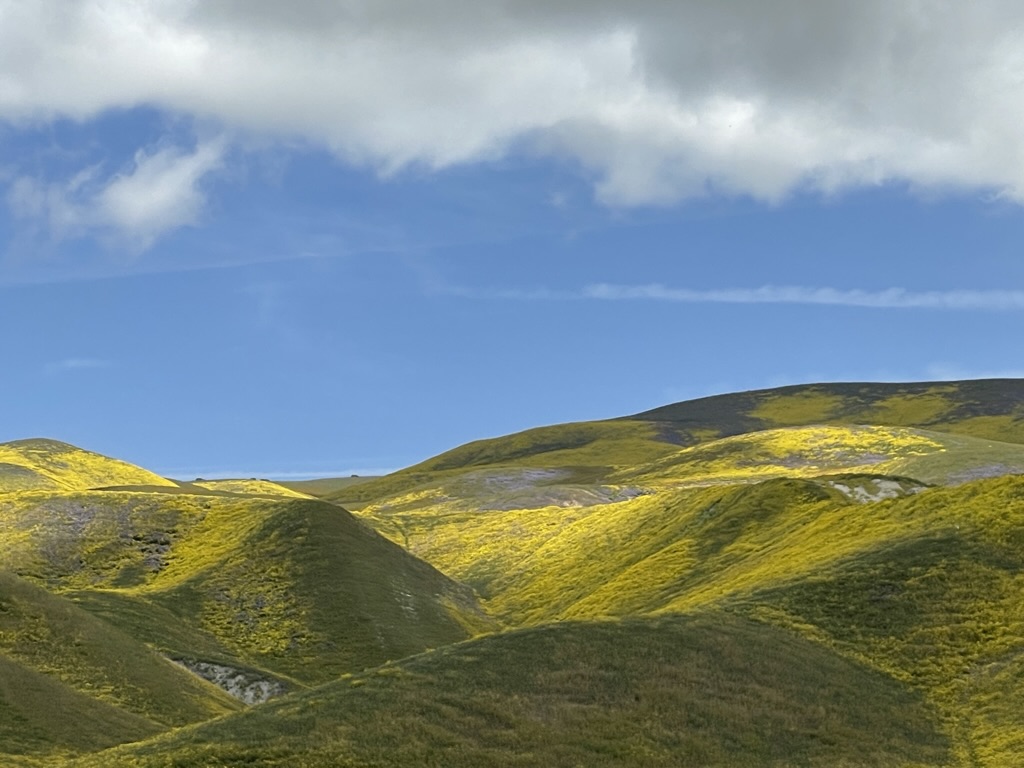
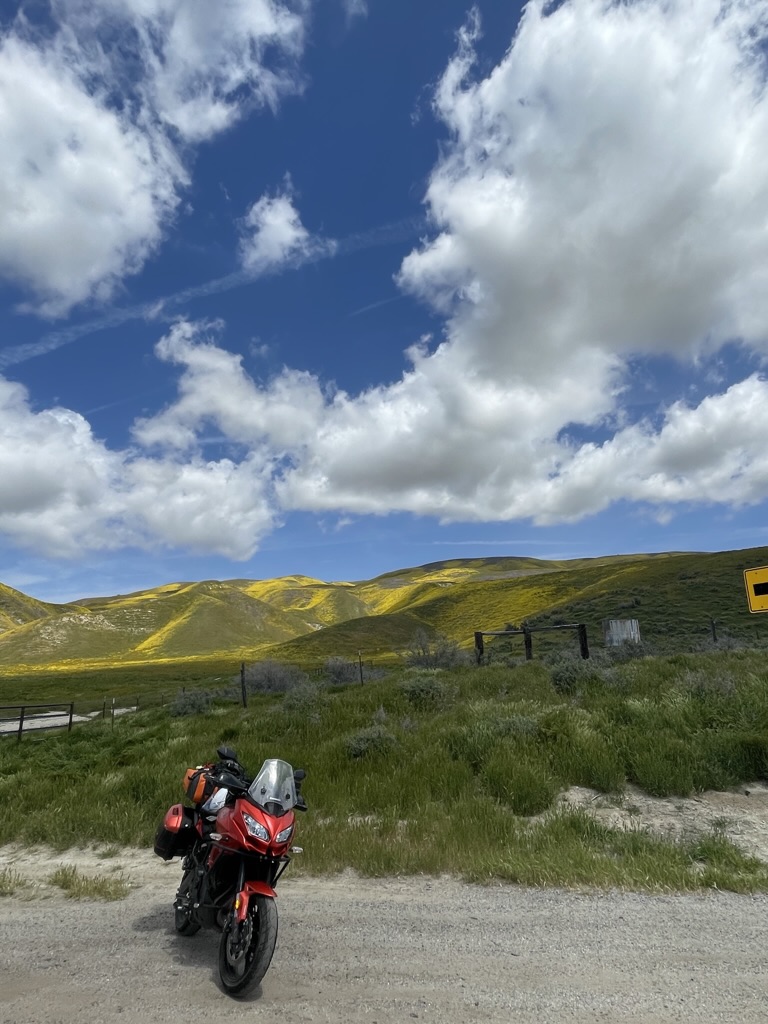
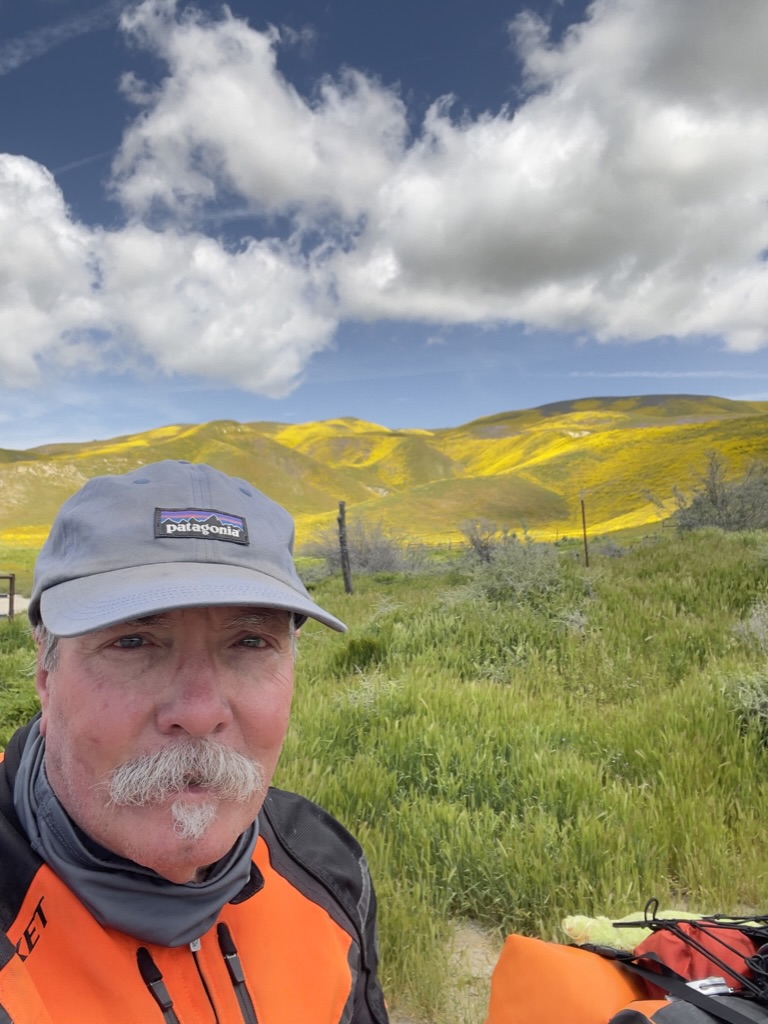
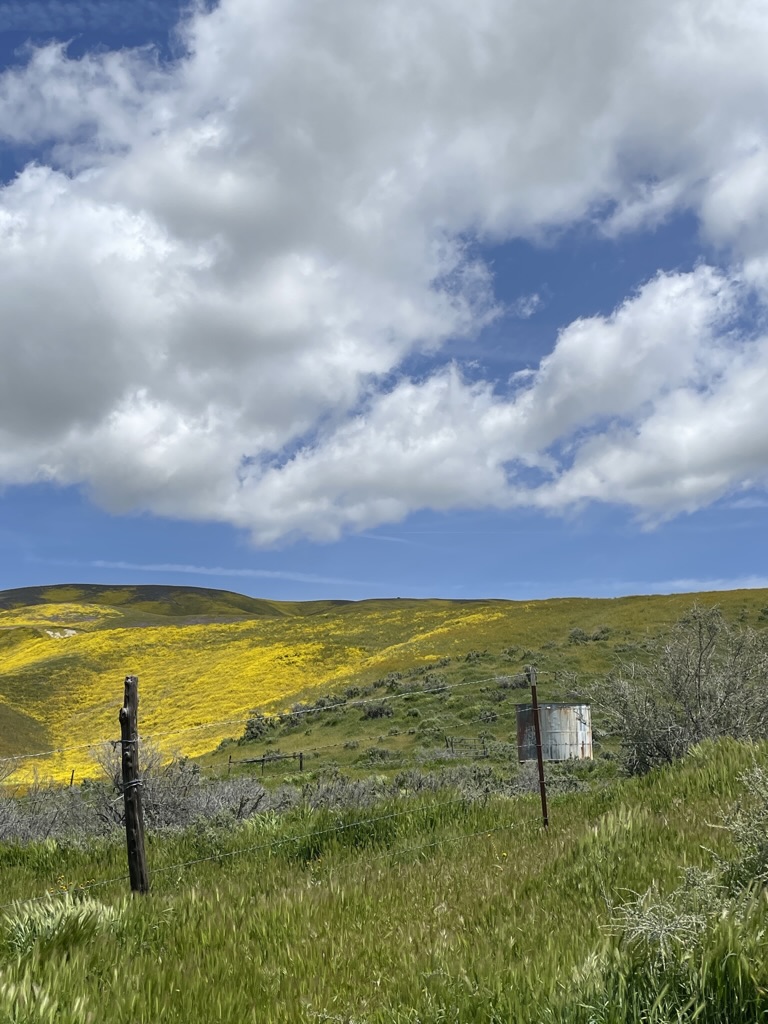
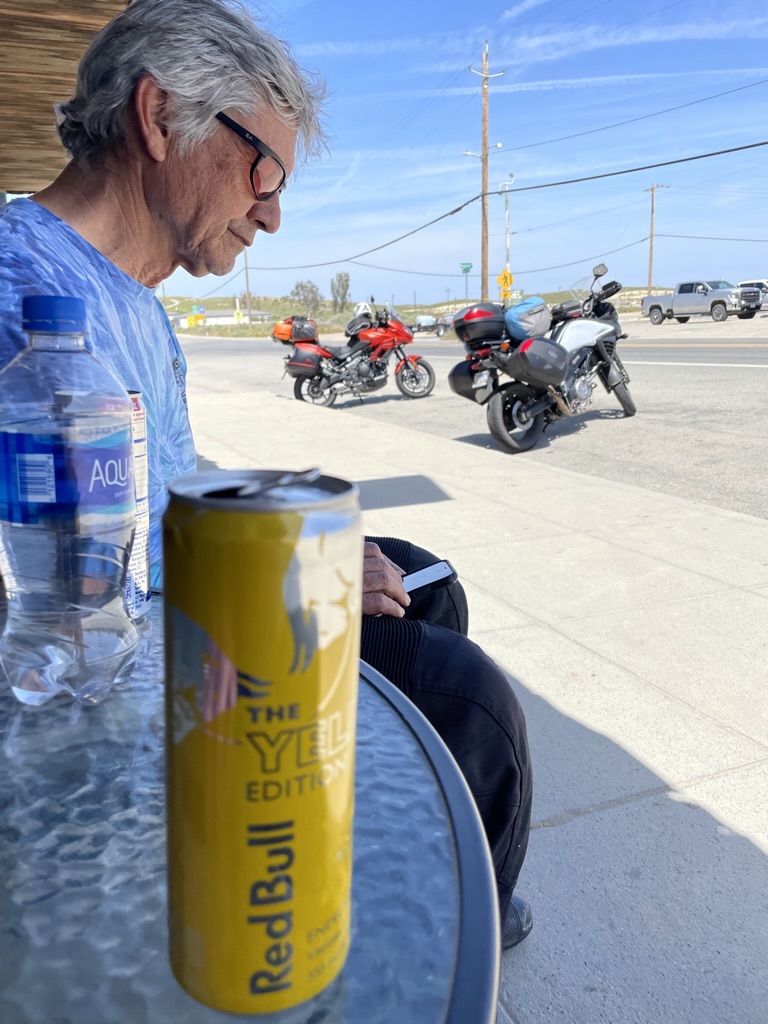
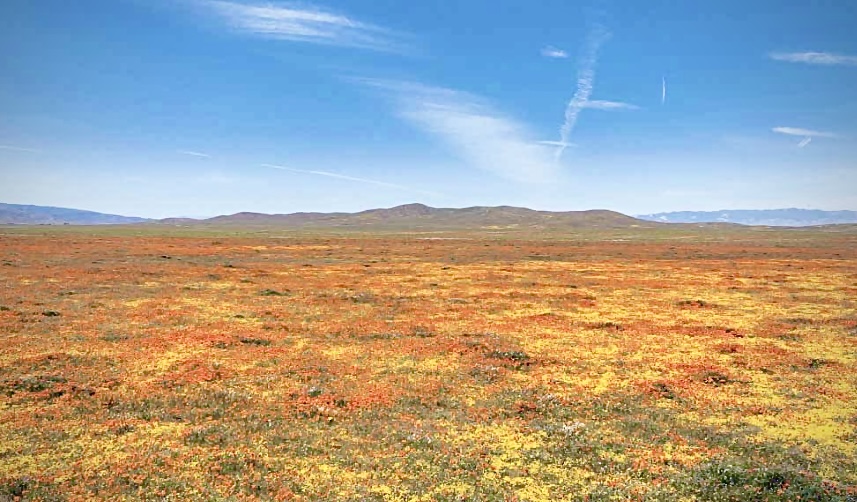
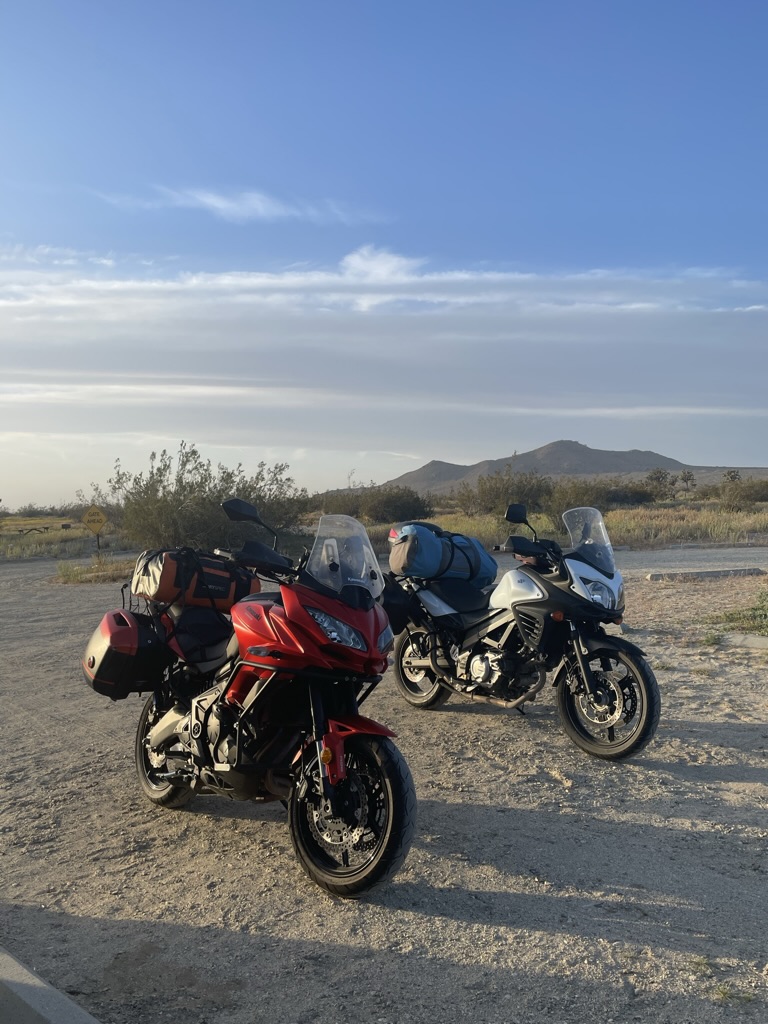



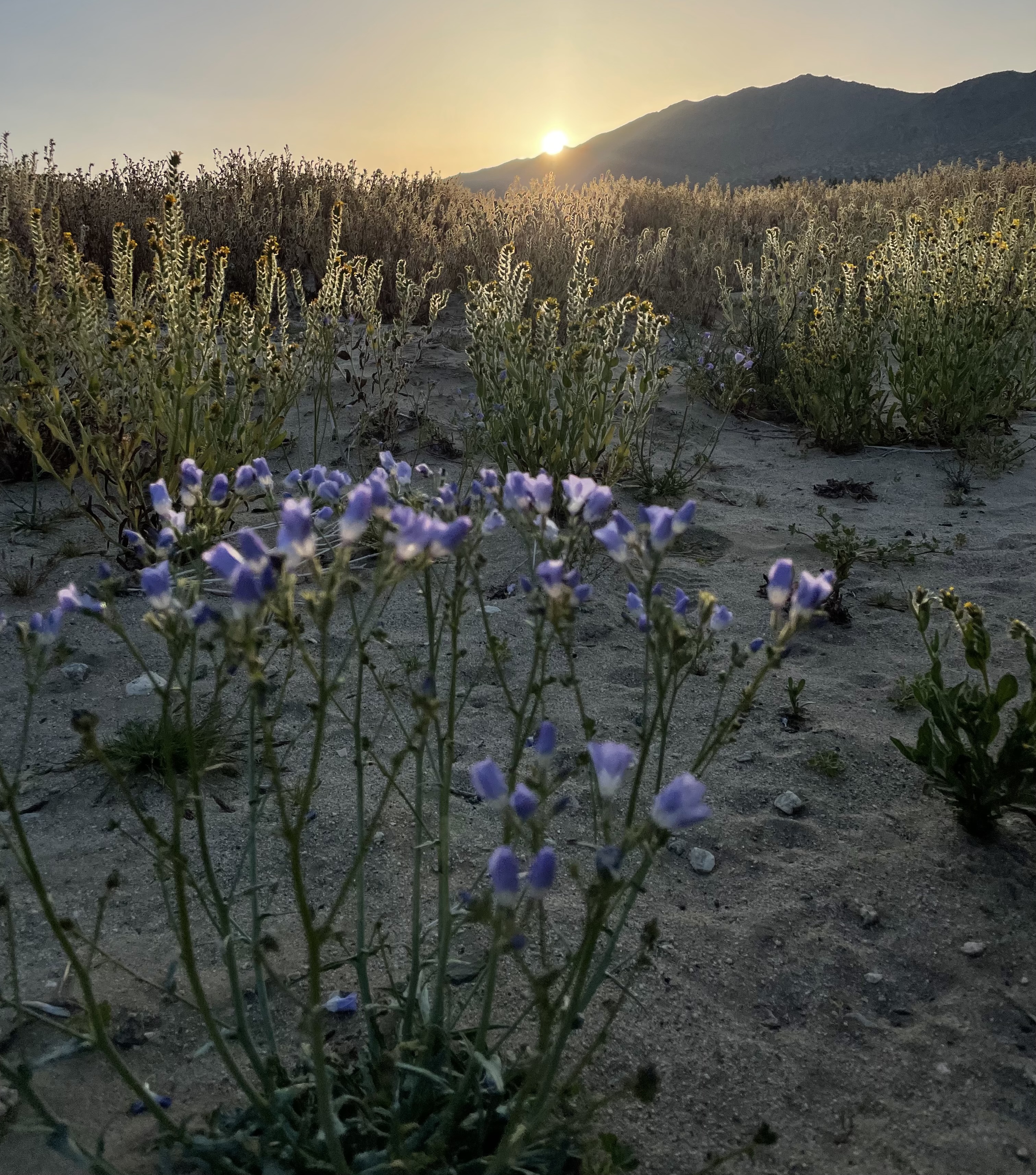

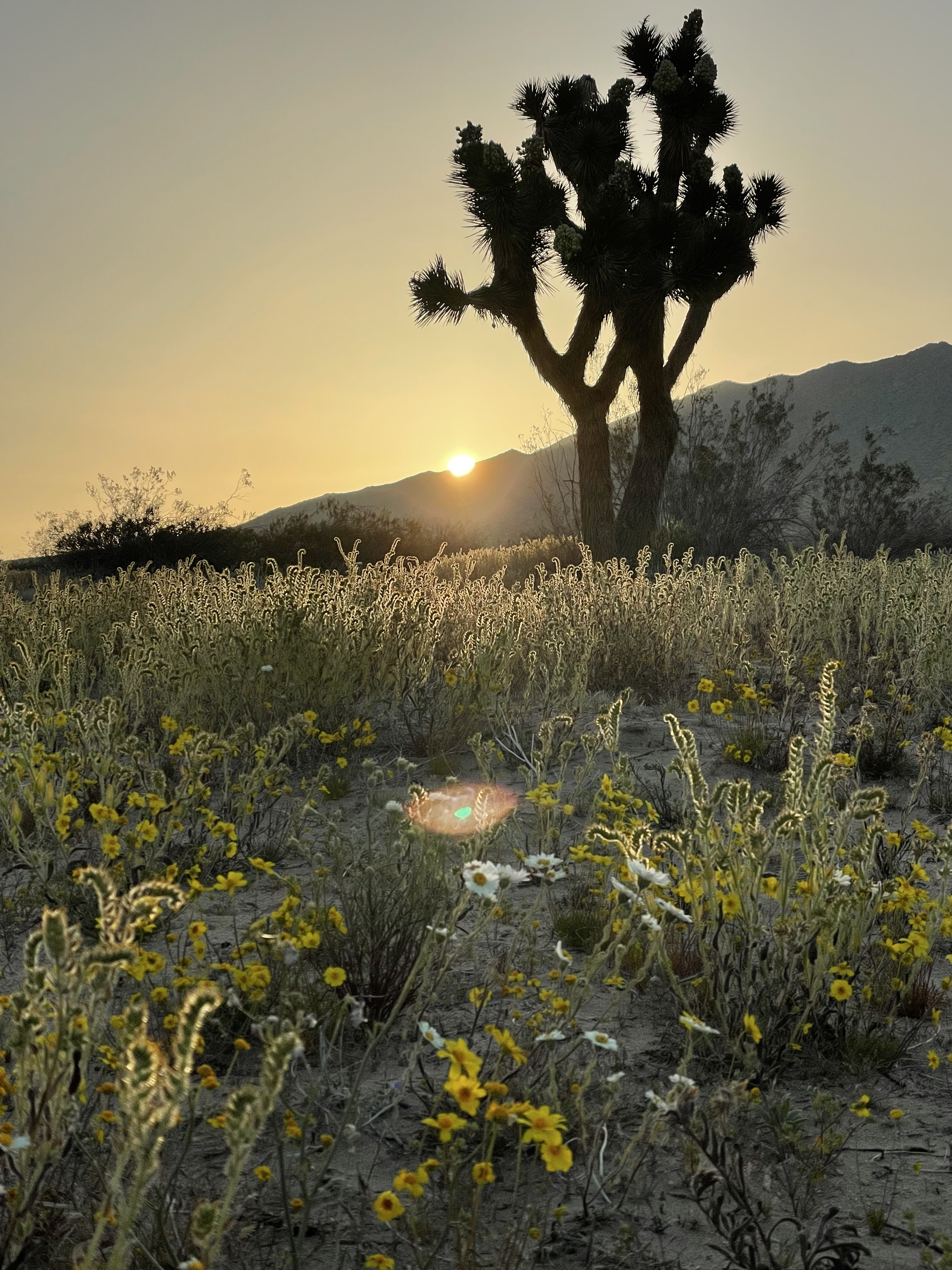
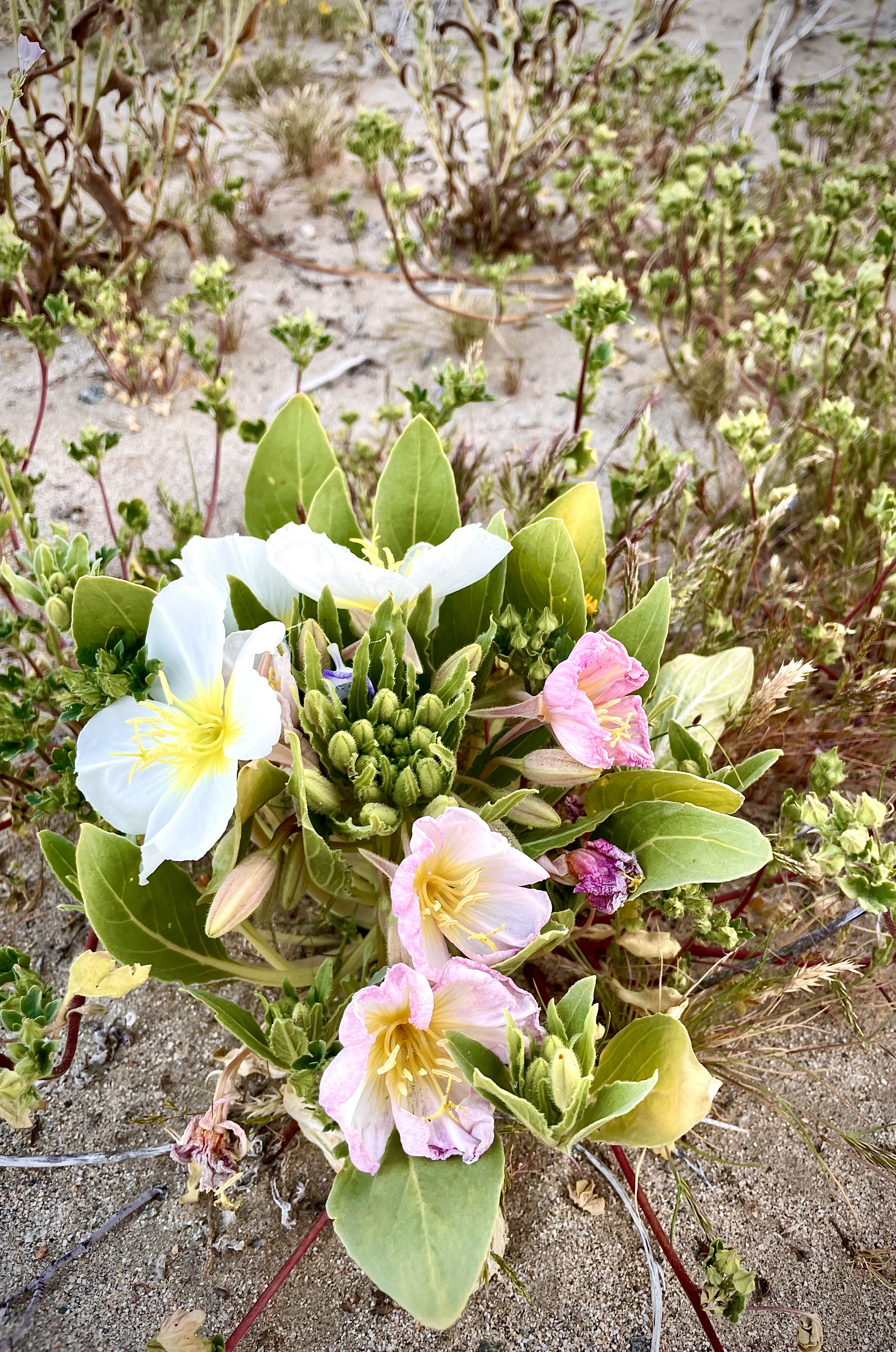




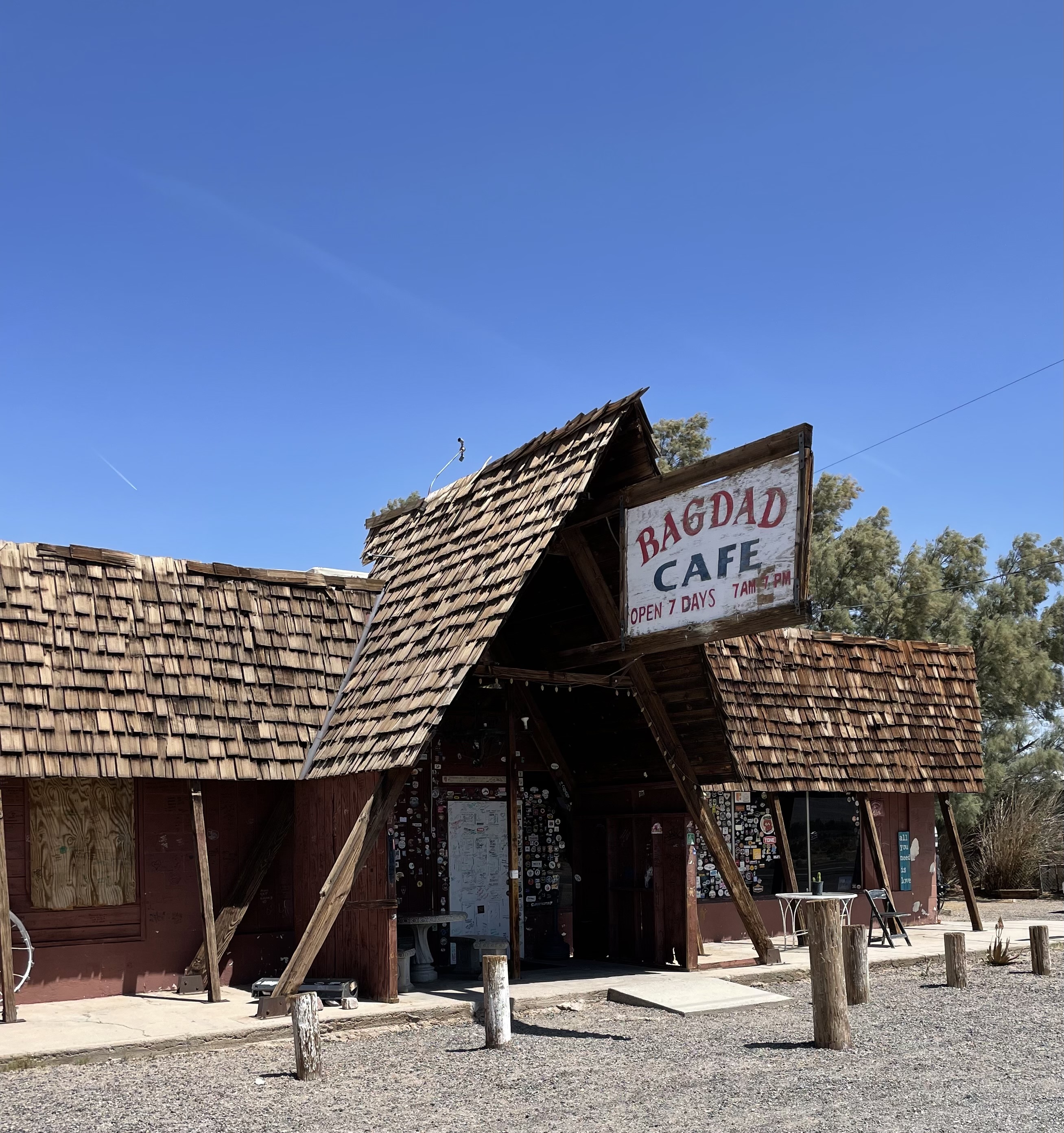
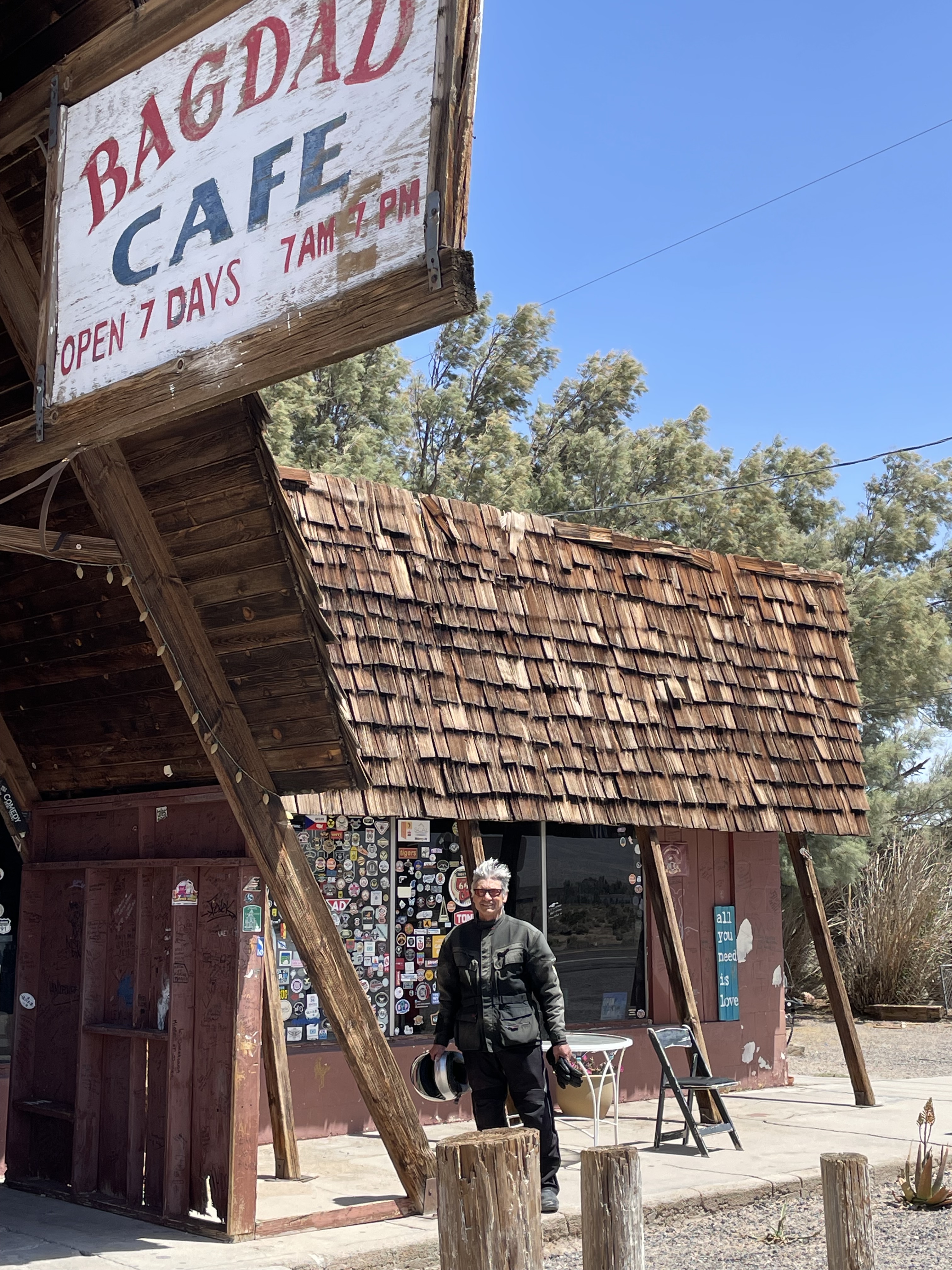

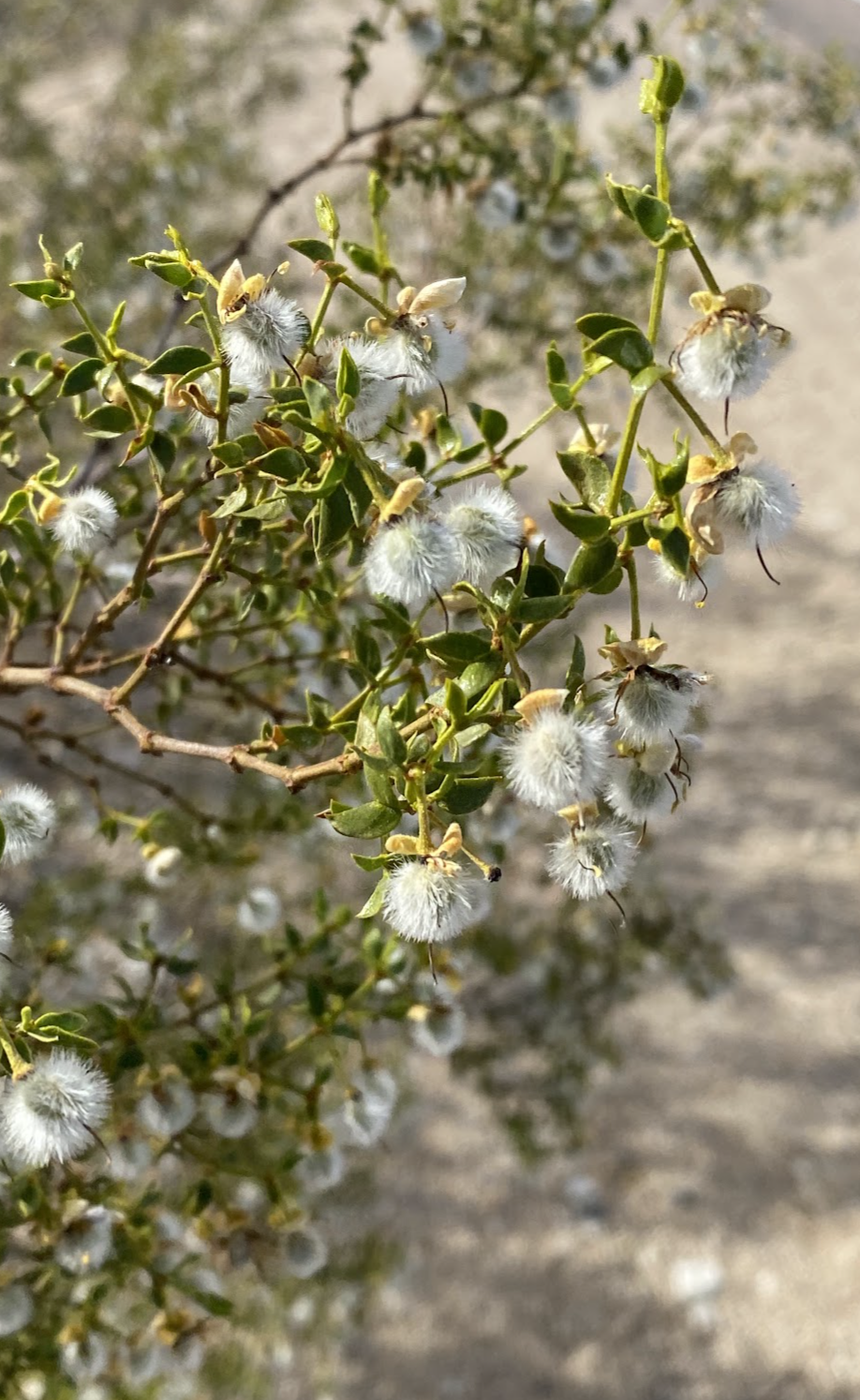

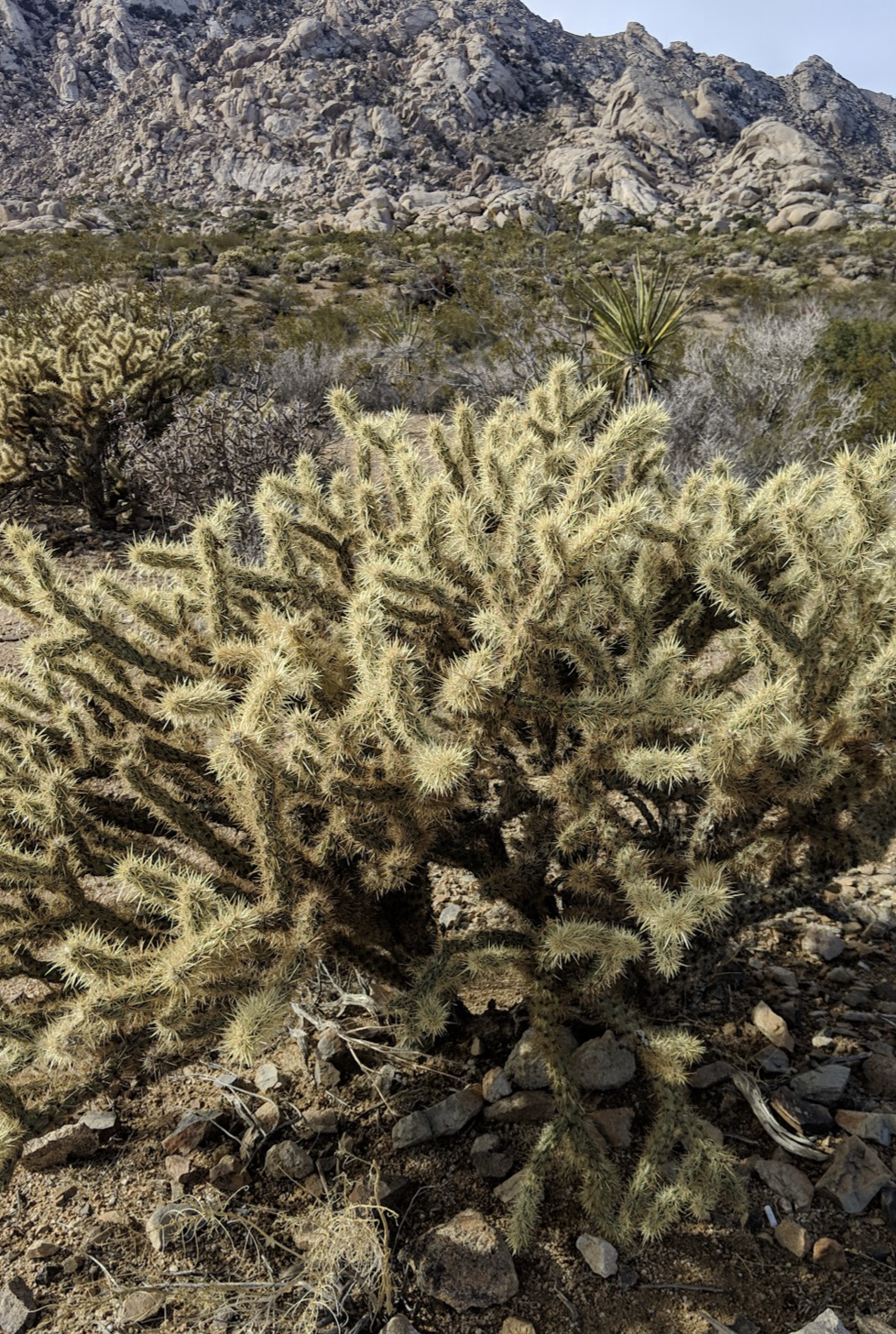

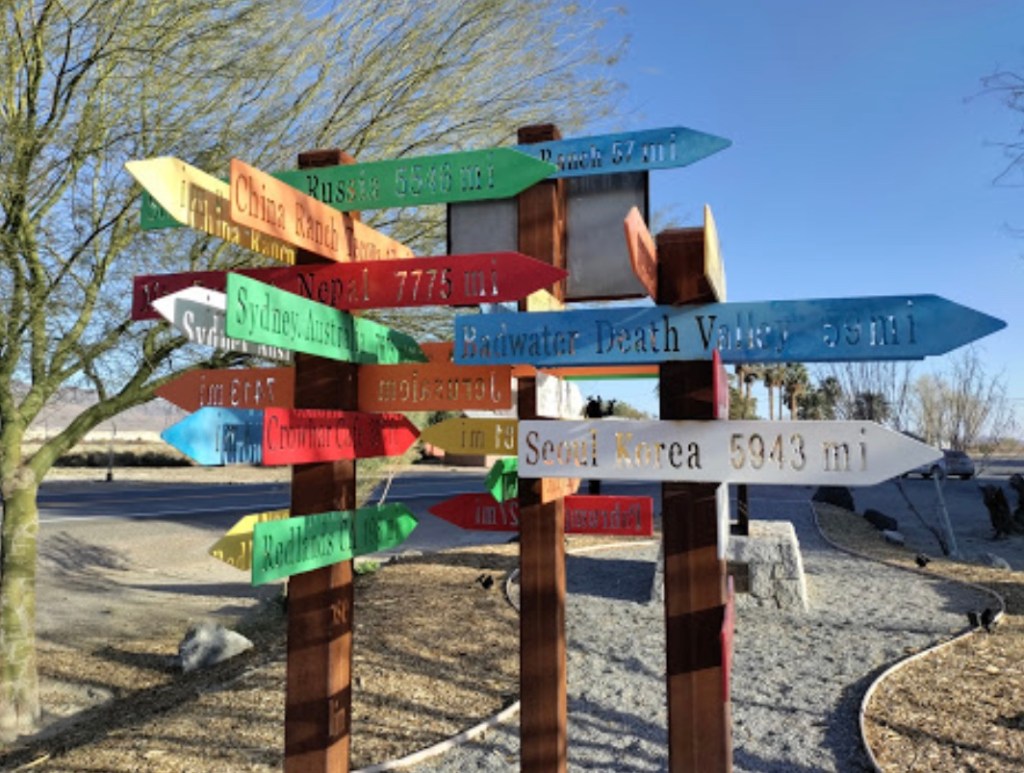


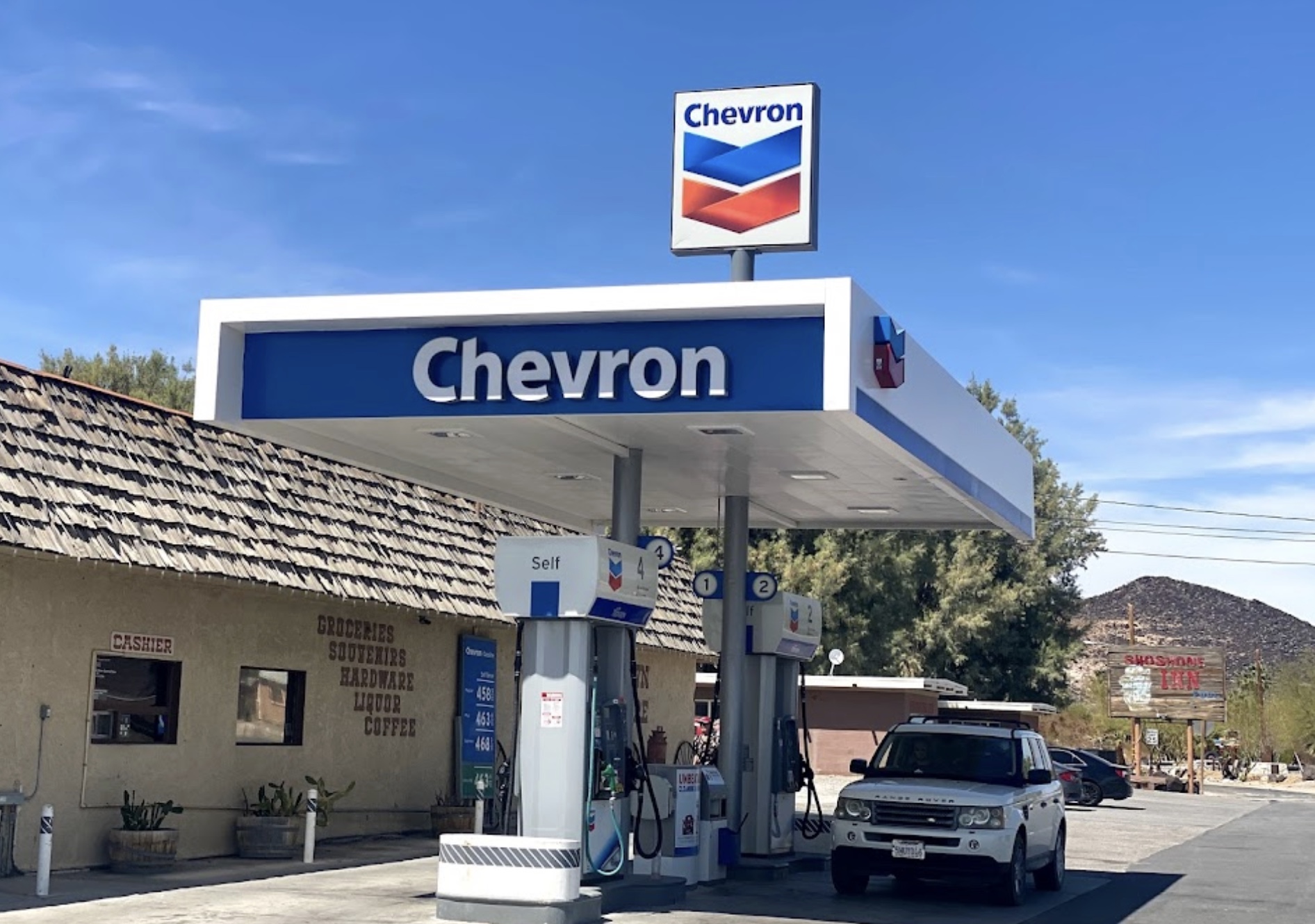

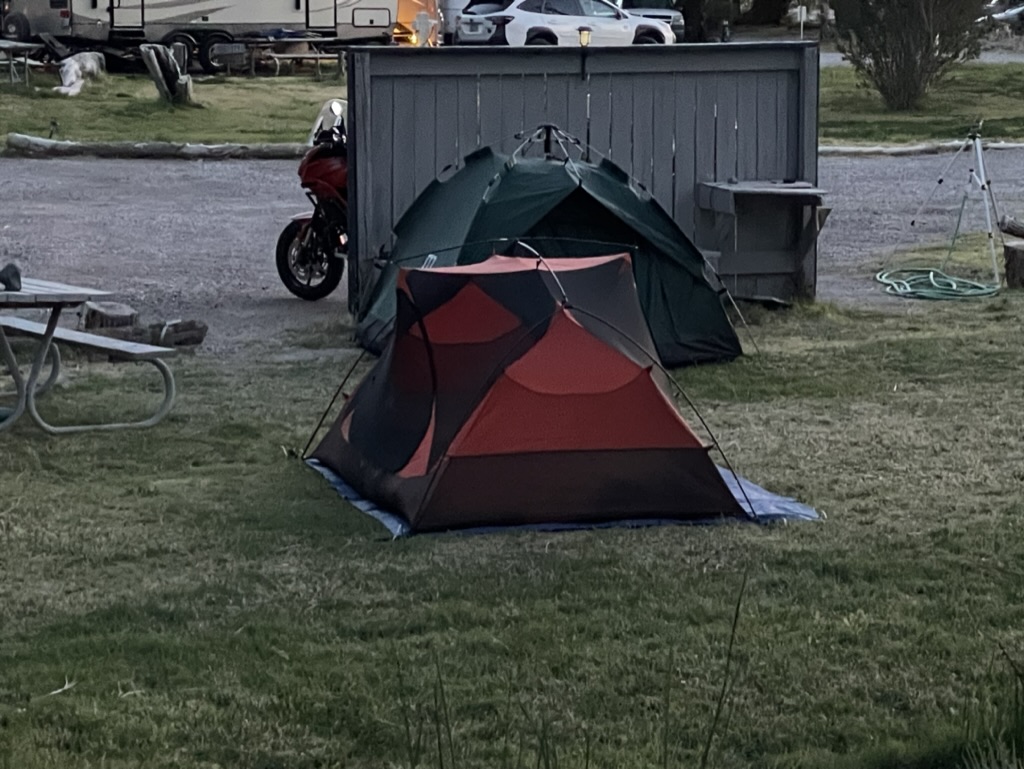


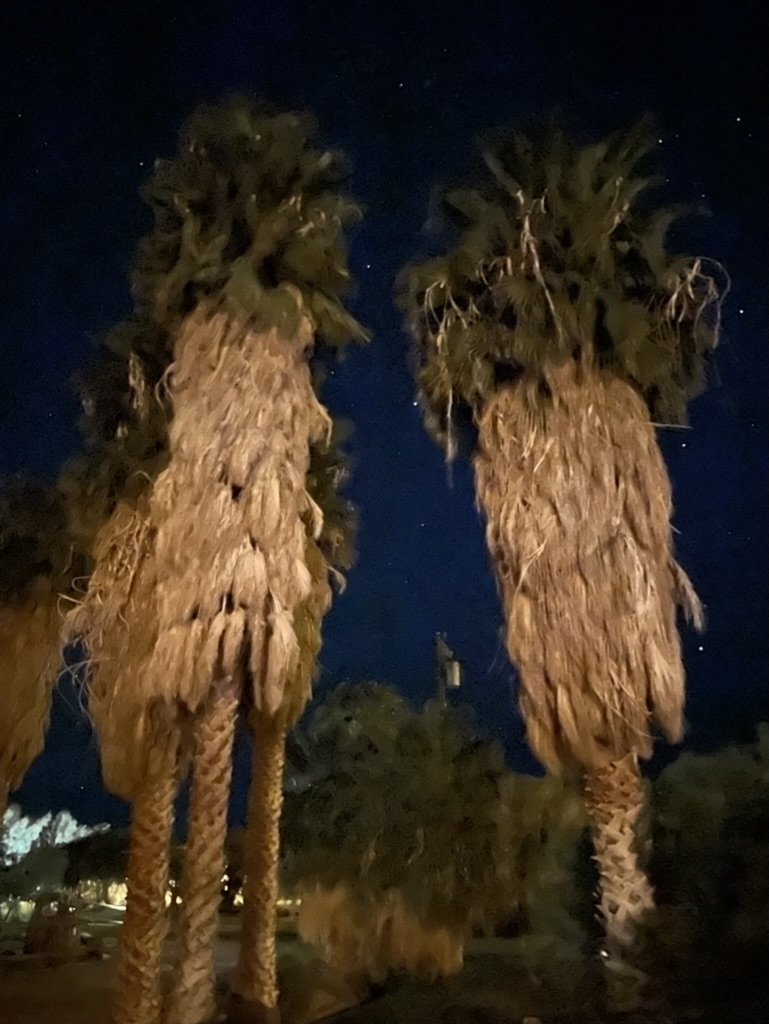


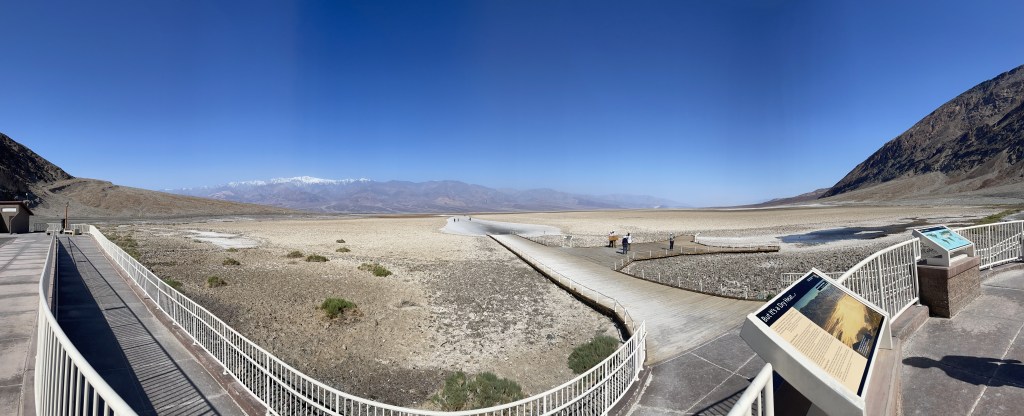
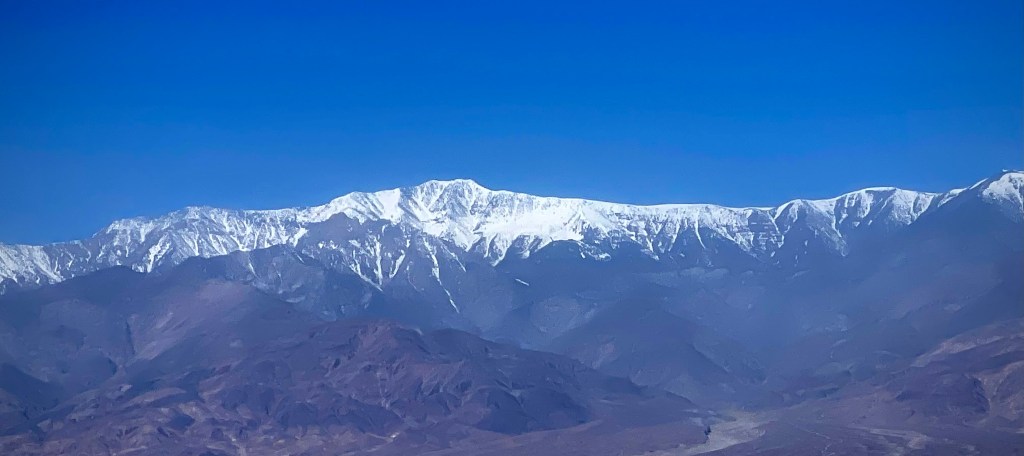


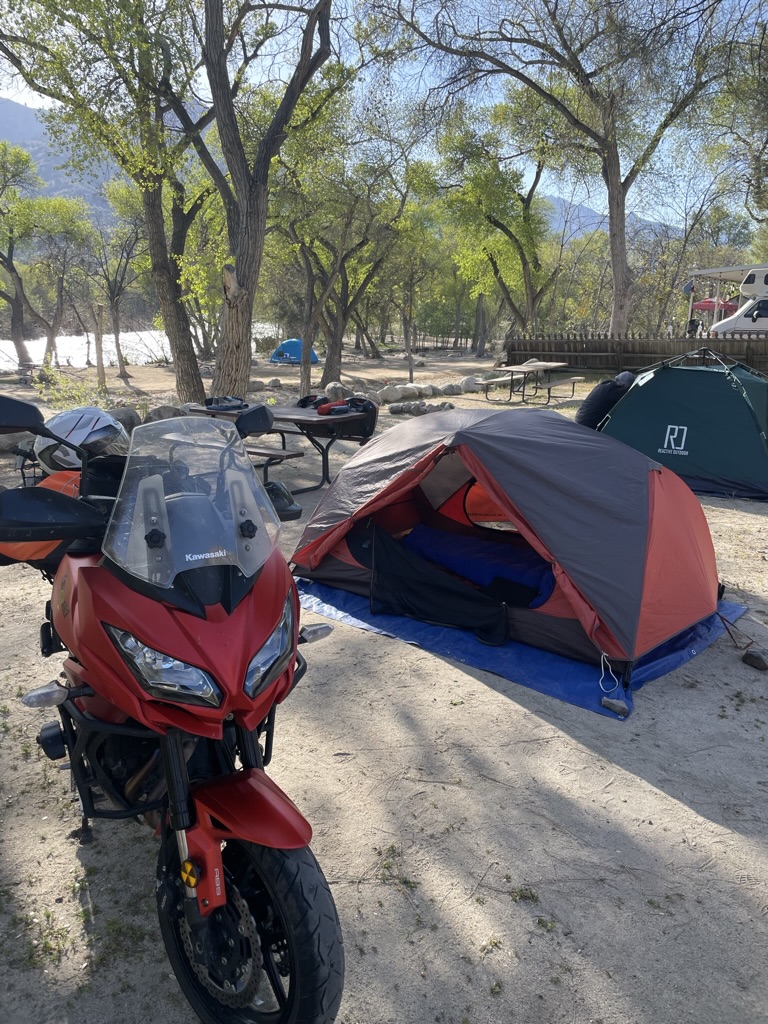

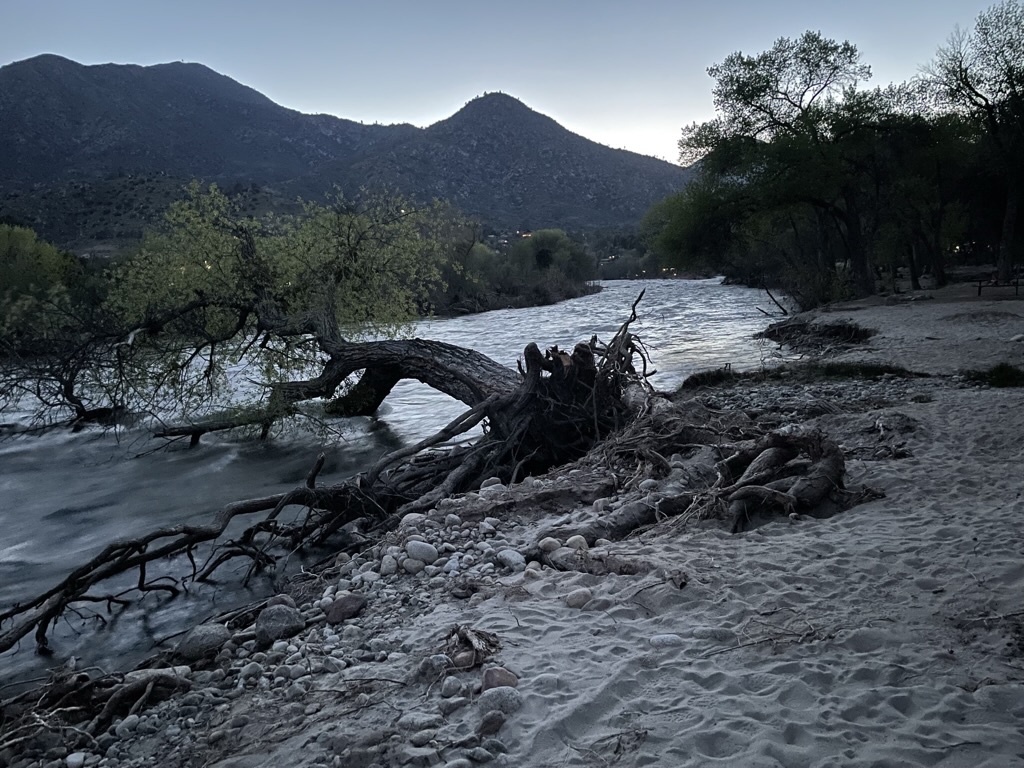

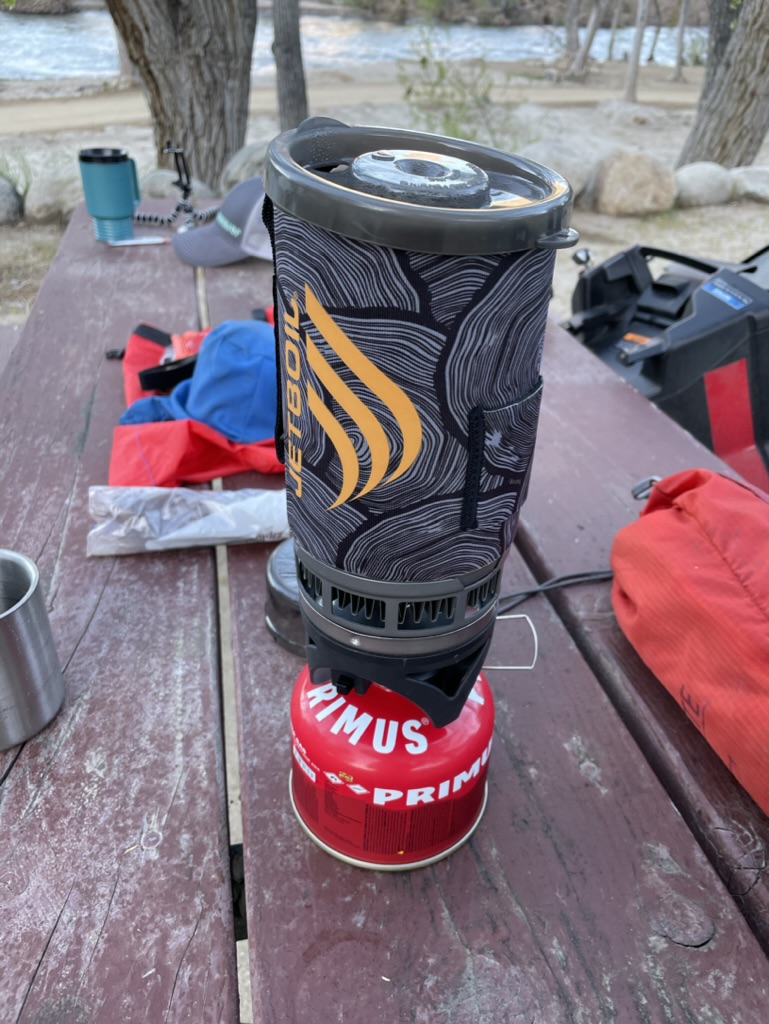


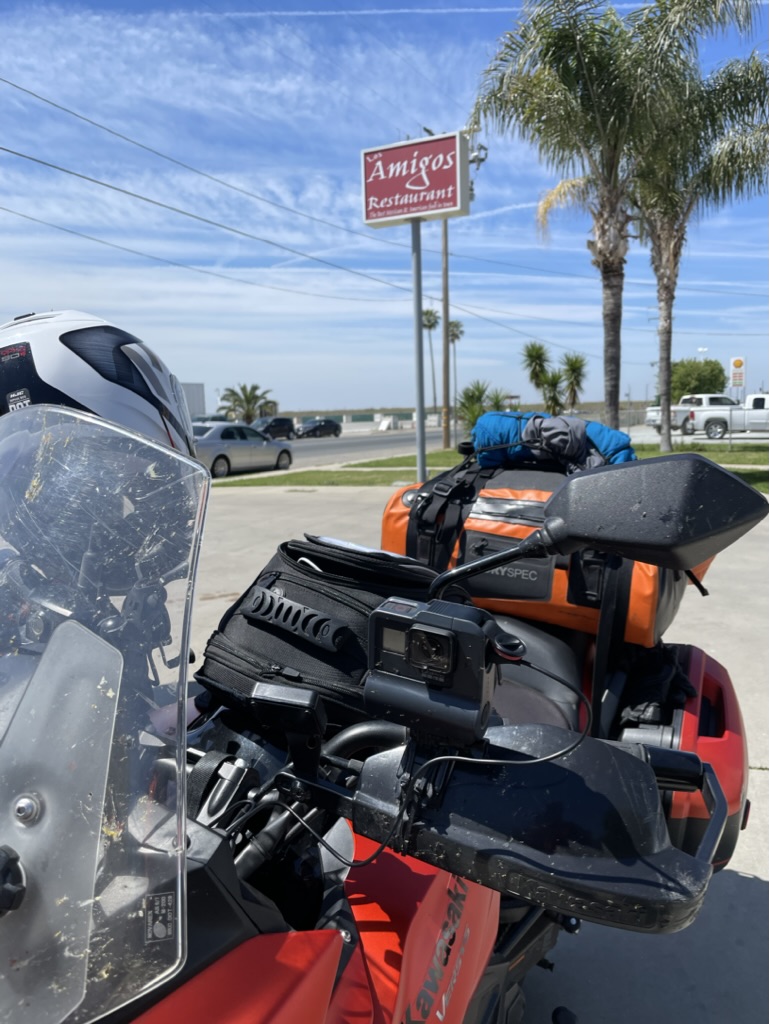



 Sisyphus and Associates