
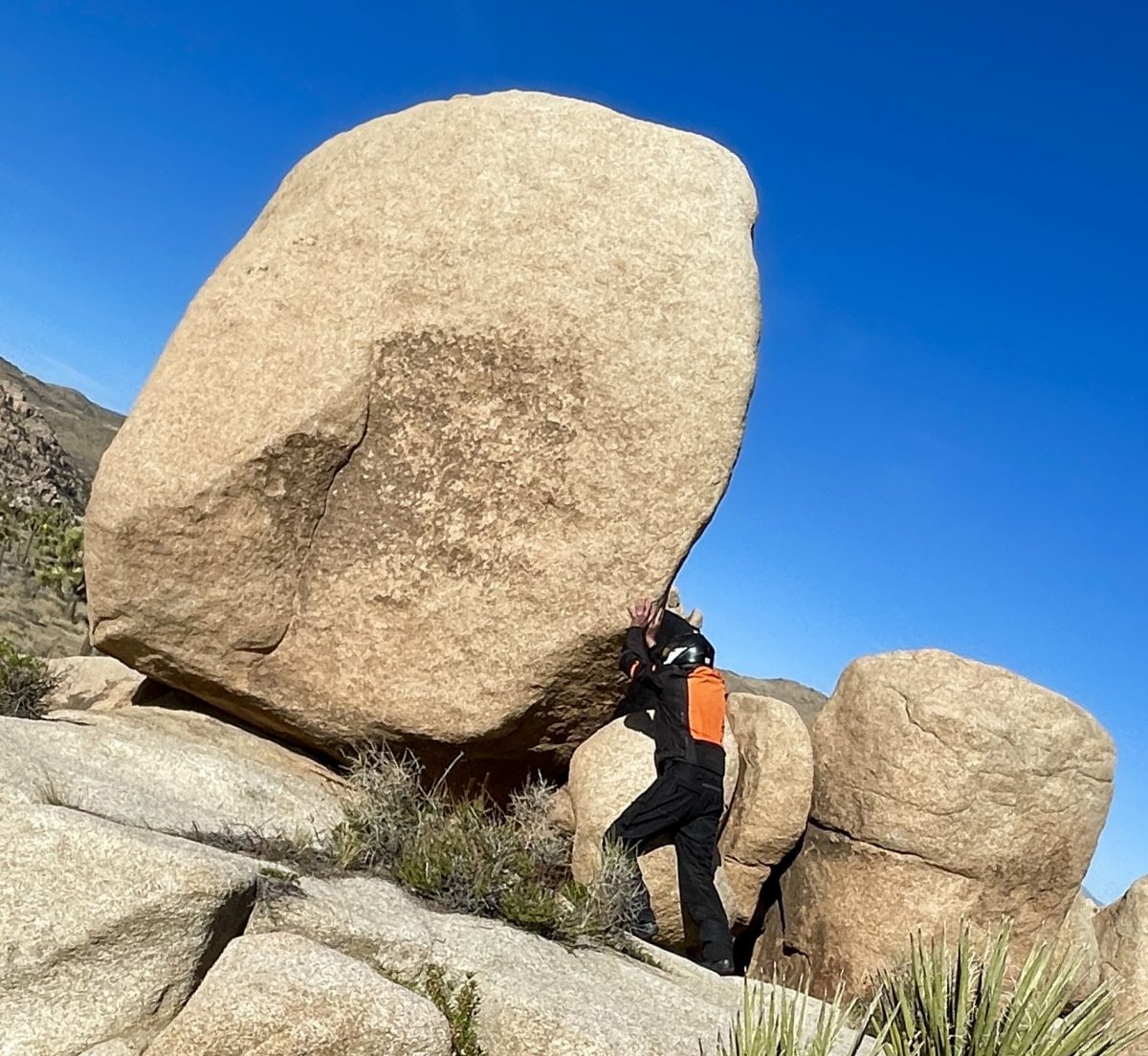
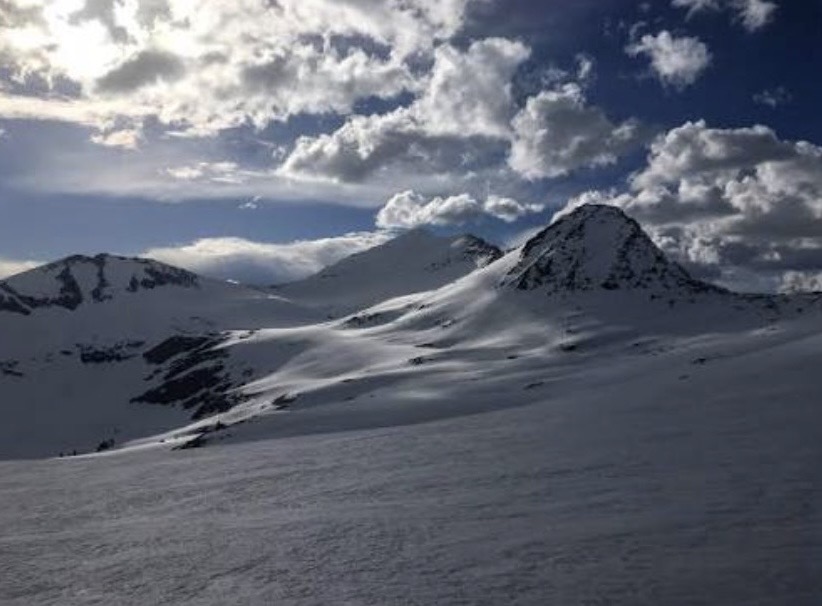
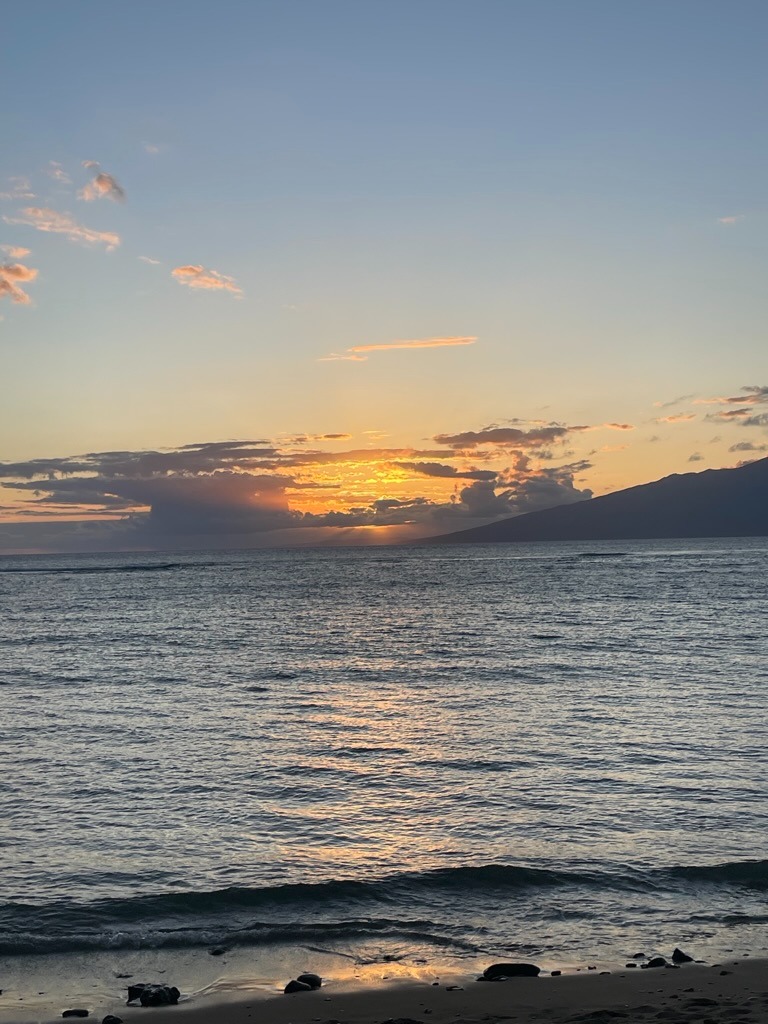
Where does the a snowflake begin and where does it end?
Why I Write, Part I
I write because I have thoughts, and thoughts, left unattended, become a problem. They pile up like unread emails, each one flagging itself as urgent, none of them quite making sense until I’ve forced them into a sentence and made them sit still. Deleting emails may unclutter your inbox, but deleting your thoughts is not a solution.
This is not, I should say, an efficient system. A therapist would be faster. A long bike ride works too. But neither of those produces a well-turned paragraph, and that — embarrassingly, joyfully — is half the point. Maybe it takes a motorcycle ramble to make the point whole.
I love the thing of writing. The way a sentence can be technically correct and still completely wrong. The way you swap one word for another and suddenly the whole room changes temperature. It’s a craft with no ceiling, which is either inspiring or maddening depending on the day and how long I’ve been staring at the same clause. That’s something I didn’t understand as I do now when I began writing in earnest upon retirement.
And then there’s the other reason, the one that feels almost too earnest to say out loud: I write to find you. Whoever you are, reading this. Writing is a slightly ridiculous act of faith — that the particular shape of your inner life, wrestled into words, will land in someone else and they’ll think, yes, exactly, that’s the thing I couldn’t say. It doesn’t always work. But when it does, it’s the best feeling there is. Even though my work doesn’t seem to have garnered much of an audience, the feedback I get has landed squarely in, here I am and you’re welcome into my world.
So. I write to think. I write for the love of the sentence. And I write because somewhere out there, you’re reading. That seems like enough.
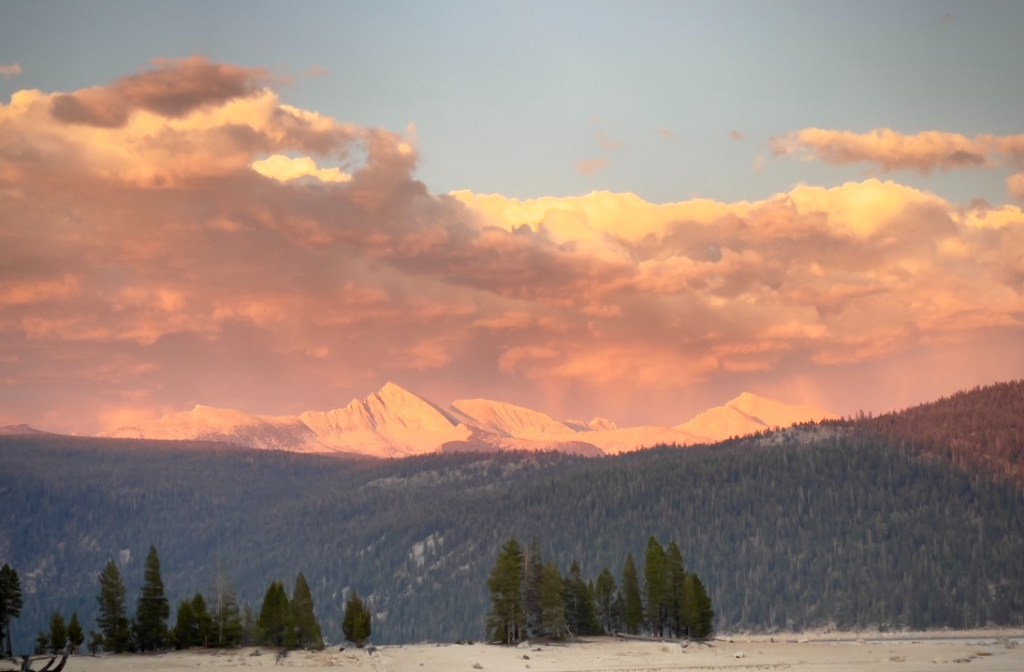
As the snowflake’s journey continues
Why I Write, Part 2
I write to figure out what I think. This sounds simple until you try it, at which point you discover that your thoughts are not, in fact, a tidy list waiting to be transcribed. They are a pile. A lively, argumentative, occasionally contradictory pile. Writing is how I sort them — how I find the thread and follow it until something true shows up at the end. Here is what I’ve learned after 37 years in a classroom: the thread is almost always a story.
I taught public school for nearly four decades, and whatever I was supposed to be teaching — history, math, science, the proper use of a semicolon — I was really teaching through narrative. Every lesson had a beginning, a middle, and an end that opened, if I did it right, into the next beginning. Because that’s how learning actually works. Not as information transferred, but as experience built. One story stacking on another until a student looks up one day and realizes they’ve been constructing a worldview all along.
Writing, for me, is the same thing. It’s how I reflect on what’s happened — to me, around me, through me — and give it enough shape, like sculpting a clump of clay, that it means something. A story has edges. It holds like the carefully carved contours that give that clay form.
And the part that still moves me: everyone has them. Students who thought they had nothing to say. People who believe their lives are too ordinary to be interesting. They’re wrong, and I’ve spent a long time trying to convince them of that. I humbly submit sisyphusdw7.com as my effort to share stories, mostly ordinary, but gently, persistently, and sometimes with a well-timed anecdote.
That’s why I write. To make sense of things. To love the language that makes sense-making possible. And to keep saying, to anyone who’ll read it: your stories are in there. Go find them. They’re worth telling. Especially if the story can bring a smile to the reader’s face or provide a glimpse into what’s possible.
Anyone who reads probably thinks they’ve got a book in them. The book I’ve always thought was in me has a title, Journey of a Snowflake. In its vague outline the story is based on the water cycle, a topic I have shared with somewhere in the neighborhood of some 2,700 students in the course of those nearly four decades in the classroom.
Cycles are my jam. I look for them and ride them. I’m amused that my quest for finding patterns in the natural world and virtually any manipulated form of the natural world by humans, is the essence of AI. We are all responsible for Artificial Intelligence insofar as the technology we seem not to be able to live without has gobbled up pretty much the sum total of what we’ve identified as the known and scours all of that data searching for patterns upon which predictive models can act with this artificial form of claimed intelligence. It seems that AI has also gobbled up the unknown. Not always do those scoured patterns result in something true. At least that’s how I understand it.
I’m hoping my journey with this snowflake can make sense to my grandchildren as the spectre of their encounter with language is undergoing such profound upheaval. Language is ceding ground. The images that flood my grandchildren’s world can inspire, certainly — but inspiration is not imagination. A picture gives you something to see. I’ve included a few in this piece. A word gives you something to build. And what gets built in the private interior of a reader’s mind, assembled from nothing but black marks on a page, is a thing no algorithm can generate and no screen can replicate. That is what I am afraid we are losing. That is why I write. To me, a picture is no substitute for a thousand words.
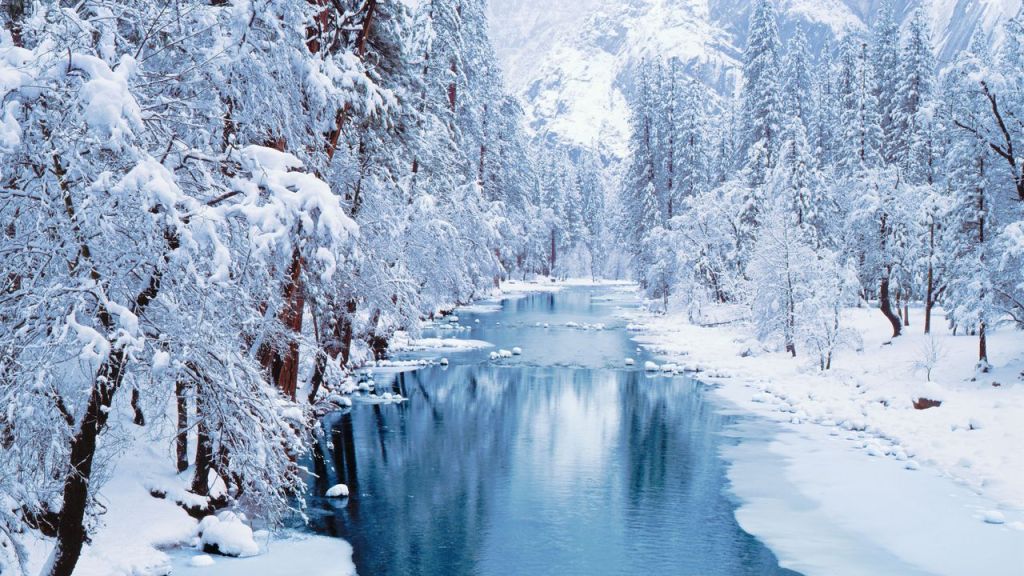
The snowflake is on the move
Why I Write, Part 3
Every snowflake begins as a speck of dust, a condensation nuclei.
Not very glamorous, I know. But that tiny particle of nothing-much floats up into a cloud, and water vapor wraps around it, crystal by crystal, and something intricate and unrepeatable takes shape. Then it falls. It lands on a mountain, melts into a stream, travels to the ocean, rises again as vapor, and begins the whole extraordinary journey once more — different each time, carrying something of everywhere it’s been.
I write to figure out what I think. Thoughts, left to themselves, are just specks of dust — vague, restless, bumping around without form. Writing is what pulls them into a shape. A sentence. A paragraph. A beginning, a middle, and an end that opens, if you’re lucky, into the next beginning. The crystal builds slowly, and then all at once you have something that didn’t exist before. Something no one else could have made in quite that way.
Our stories are like that. Each one starts small — a moment, a question, a thing that happened on an otherwise ordinary Tuesday. But stories don’t stay small. They gather. They transform. A story that begins as a local bicycle ride becomes a multiple day ramble over fascinating terrain encountering by chance ordinary people with extraordinary stories. That’s a story just like those stories depicted in my motorcycle rambles. And that’s why I write.
A story that began in a classroom finds its way into a grandchild’s imagination. A story whispered at bedtime floats up and becomes part of how a child sees the whole world. You never quite know where it will travel or what it will become by the time it arrives.
The snowflake doesn’t choose its path. It goes where the wind and the water take it — from cloud to mountain to river to sea to sky again. But here’s the quiet miracle: it was never lost. It was always becoming the next thing.
That’s what reflecting on our experiences does. It catches the journey mid-flight and says: look at this. Look at where you’ve been. Look at the shape of it. A story gives experience its edges. It makes the invisible visible, the fleeting permanent, the personal somehow universal. You write down what happened to you, and a stranger reads it and thinks — yes. That happened to me too. I just didn’t have the words.
So I write for the craft of it — for the love of finding exactly the right word, the sentence that finally holds the weight I needed it to hold. I write to make sense of things. And I write because I believe, with the quiet stubbornness of someone who has spent a long time watching people discover this for themselves, that everyone has stories worth the telling. That’s what all of the authors I admire have done for me. They’ve given me the courage to listen, consider, and tell the story.
You can too. Your stories are in there — in the ordinary Tuesdays, the small moments, the things you’ve carried so long you’ve forgotten they’re remarkable. Find them. Write them down. Give them a beginning, a middle, and an end.
And then let them go, the way a snowflake lets go of the mountain — trusting that the journey, and whatever it touches along the way, is exactly the point.
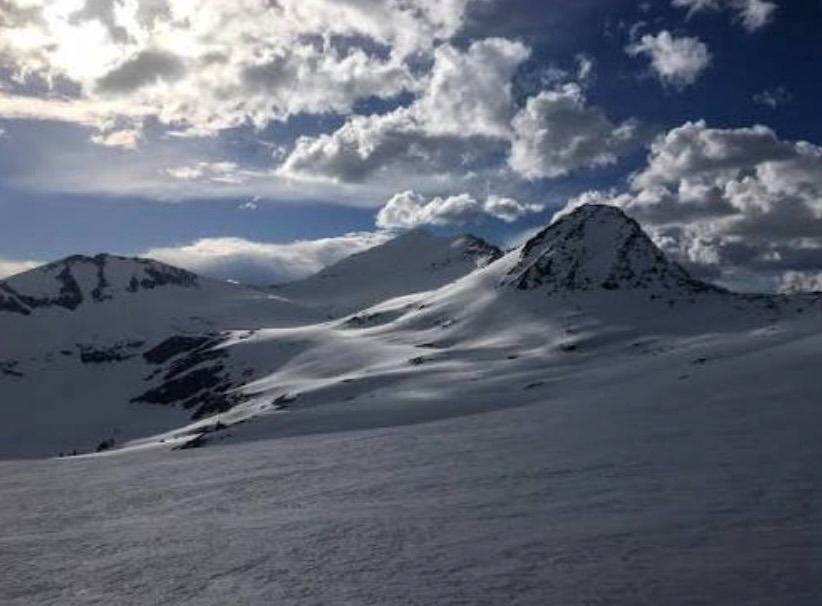
Perhaps this is where the snowflake’s journey begins and ends, in that moment
 Sisyphus and Associates