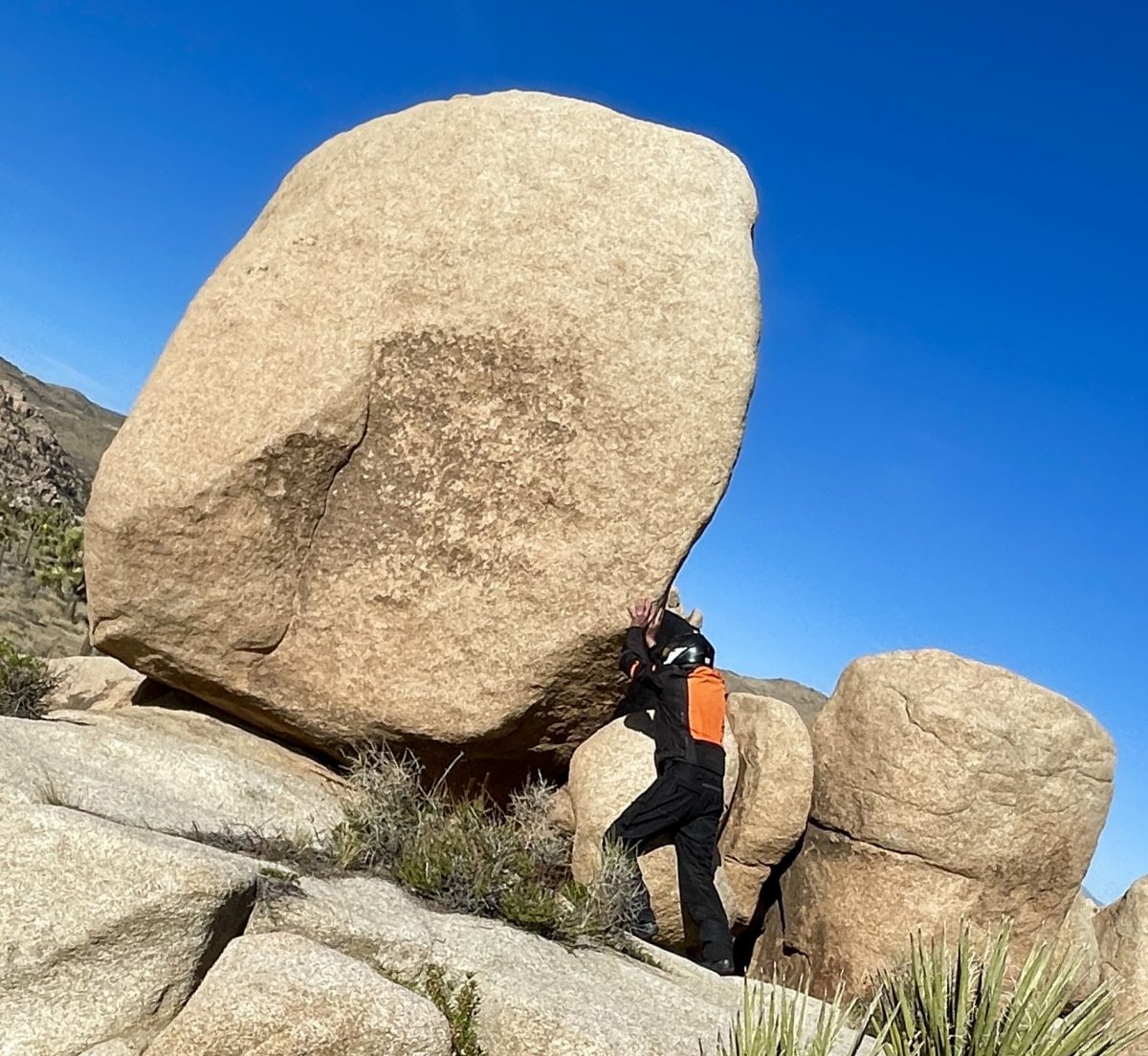
No Italics Necessary: What is Hip, Phaedrus?

Musings from the “No Italics Required” series

“And what is good, Phaedrus,
And what is not good—
Need we ask anyone to tell us these things?”
— Robert M. Pirsig, Zen and the Art of Motorcycle Maintenance

That’s a good question.

“What is hip? Tell me tell me if you think you know.
What is hip? And if you’re really hip, the passing years would show
That you into a hip trip. Maybe hipper than hip.
Sometimes hipness is what it ain’t.”
— Tower of Power, “What Is Hip?”


The Education of a Pluralist

My first encounter with philosophy — aside from Saturday morning cartoons with the likes of Mr. Peabody and Sherman — was in Ed Bean’s PHIL-01 at Merced College, where I learned that rationalism and empiricism aren’t opposites—they complement each other. Reason and observation, working together. So far, so good.

Then Ed introduced me to the Romantics, who insisted that feelings and instincts provided understanding that reason alone couldn’t touch. This aligned perfectly with my hippy-adjacent life in the Sierra—backpacking and ski touring with John Muir’s writings, natural history handbooks, and USGS maps. I was prepared for mind-expanding forays into forests and mountains, though at that point I hadn’t yet added Castaneda’s Don Juan to my mountaineering library.

What I absorbed from all this, both in the classroom and on the trail, was something my working-class parents had already taught me: pluralism. Not the academic kind—the lived kind. My father was a cement mason who worked alongside men from different cultures. They coexisted peacefully, mostly, maintaining their unique identities while contributing to something larger. I was taught we were a nation of different ethnic and religious groups, each preserving its traditions, but not at the expense of others.

By the time I reached the CSUC campus, I’d developed what I’d call a pragmatic-constructivism: that knowledge comes from the interplay between theory and practice, actively constructed through human interaction and experience. Different philosophical schools offered diverse explanations of the world, and there wasn’t necessarily one single, absolute truth. Different viewpoints could be equally valid.

A Trip to the Principle’s Office

It didn’t happen often, but in my career as a middle-school classroom teacher, I would send quarreling factions to the office to let the big-money cheeses sort things out while I dealt with the more earnest, or enthusiastic students in my flock.

In my classroom, I did maintain that there are Moral principles: Those that guide ethical behavior and decisions. You know, honesty, integrity, and fairness. There are also Scientific principles or the fundamental laws or truths that explain natural phenomena. Examples of these scientific principles include gravity, thermodynamics, and evolution. And there are Mathematical principles. These are basic truths or assumptions used in mathematical reasoning. Examples include the commutative and associative properties. Lastly and with a tip of the hat to folks like Frank Lloyd Wright or Steve Jobs, there are Design principles. These are guidelines for creating effective designs. Here, examples include balance, contrast, and unity.  

These principles seemed to me to be the culmination of our evolved civility and the basis for culture all in the pursuit of progress.  

This became the foundation of my teaching career. I believed in it. I built my classroom around it.   Teaching rested on the belief that certain principles—moral, scientific, mathematical—provided shared ground. Not that everyone had to agree on everything, but that we could at least agree honesty meant something, gravity worked the same for everyone, and 2+2=4 wasn’t up for debate.


What Changed?

From 1981, when the first Apple II computer arrived in my classroom, to my retirement in 2015, I watched personal technology manifest itself in the internet and social media. And somewhere in that span, something shifted.

Pluralism—the idea that multiple valid perspectives can coexist peacefully—requires something subtle to function: a shared belief that truth exists, even if we approach it from different angles. We can disagree about how to understand the world while still agreeing that the world is there to be understood.

But the internet and social media didn’t just multiply perspectives. They fragmented the very idea of shared reality. Language, power, and social context didn’t just shape knowledge anymore—they replaced it. My students could find “evidence” for anything. Every viewpoint came with its own facts, its own authorities, its own truth.

The postmodernists had warned about this, about the challenge to objective truth. But watching it happen in real time, in my classroom, in the culture—that was different. What I’d understood as healthy pluralism began to look like something else entirely. Not diversity of perspective, but diversity of reality. Not multiple paths up the same mountain, but people insisting they were on different mountains altogether.

Sometimes hipness is what it ain’t.


So How Has That Worked Out?

I was raised to believe that pluralism meant we could hold different views and still find ways to coexist, contribute, build something together. I spent thirty-seven years teaching on that premise.

And now? I’m not sure what we have instead, but it doesn’t feel like pluralism. It feels like something that borrowed pluralism’s language—”multiple truths,” “different perspectives,” “your truth”—and turned it into a tool for avoiding any shared understanding at all.

Pirsig asked, “Need we ask anyone to tell us these things?” about good and not-good. The assumption was that we know, intuitively, without needing external validation. But what happens when we’ve lost even that shared intuition? When the passing years don’t show whether you’re “into a hip trip” or just lost in the noise?

I don’t have an answer. Just the sense of standing on a corner somewhere—not quite Winslow, Arizona—watching the traffic and wondering when things changed, and whether anyone else notices. Whether the principled pluralism I was raised on has been replaced by something darker and more deliberate. And whether we can find our way back.
No Italics Necessary

Where we find Sisyphus climbing atop a soapbox…

I try to abide by the old saw, “Opinions are like assholes.  Everybody has one…”  

And while the First Amendment of the U.S. Constitution protects free speech by prohibiting Congress from making laws that abridge the freedom of speech, the press, and the right to assemble and petition the government, this amendment adopted on December 15, 1791 as part of the Bill of Rights, is under siege.  For all of us assholes.

There I go, say you, of expressing an opinion.  (Just in case you didn’t catch my drift, I’ve identified the “opinion” part in italics).  

Here’s the thing.  It really isn’t an opinion.  It’s an observed truth, just as reading the First Amendment of the U.S. constitution is an observed truth.  It’s all premised on an agreed perception of what is true and it is true that speech, the press, and right to assemble is under siege.  No italics necessary.

Just like the assholes who take a kernel of truth and completely distort, misconstrue, then misrepresent said kernel of truth to suit their preconceived understanding of the “real world,”  let’s take for example the public land sale mandate included in the Senate Energy and Natural Resources Committee’s budget reconciliation bill. The One Big Beautiful Bill that could draw from over 250 million acres’ worth of roadless forests, wilderness study areas and other public lands, as the Senate Energy and Natural Resources Committee Chairman Mike Lee painted the disposal mandate as only affecting “isolated parcels” of “underused” land, “we’re opening underused federal land to expand housing, support local development and get Washington, D.C., out of the way for communities that are just trying to grow.”  Italicised.  Kernel of truth distorted, misconstrued, and misrepresented.  Fact.

For housing and communities that want to grow?  Lets take a look…

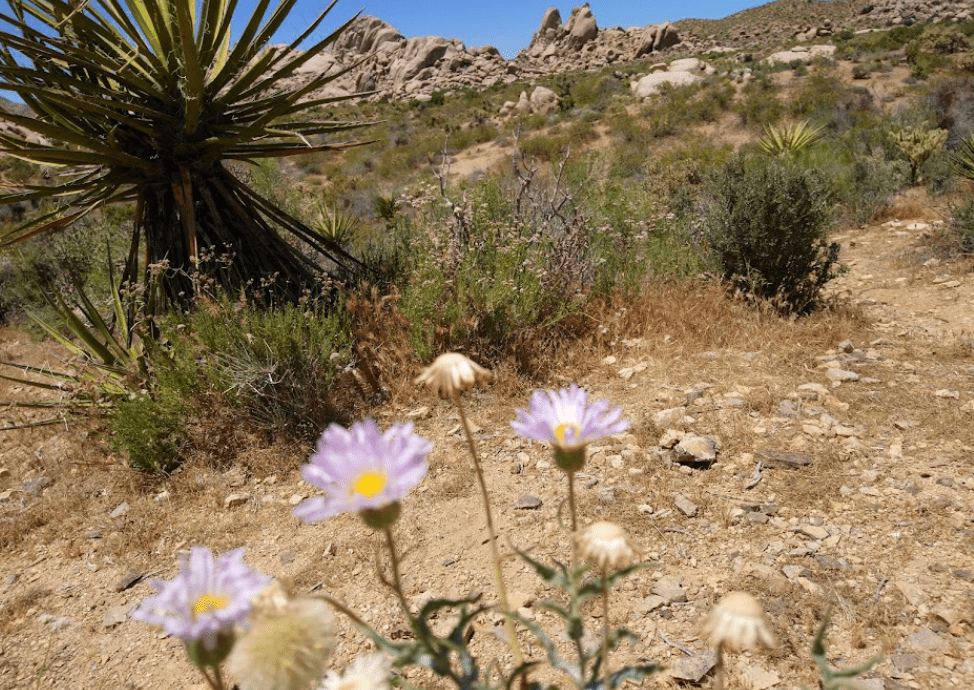
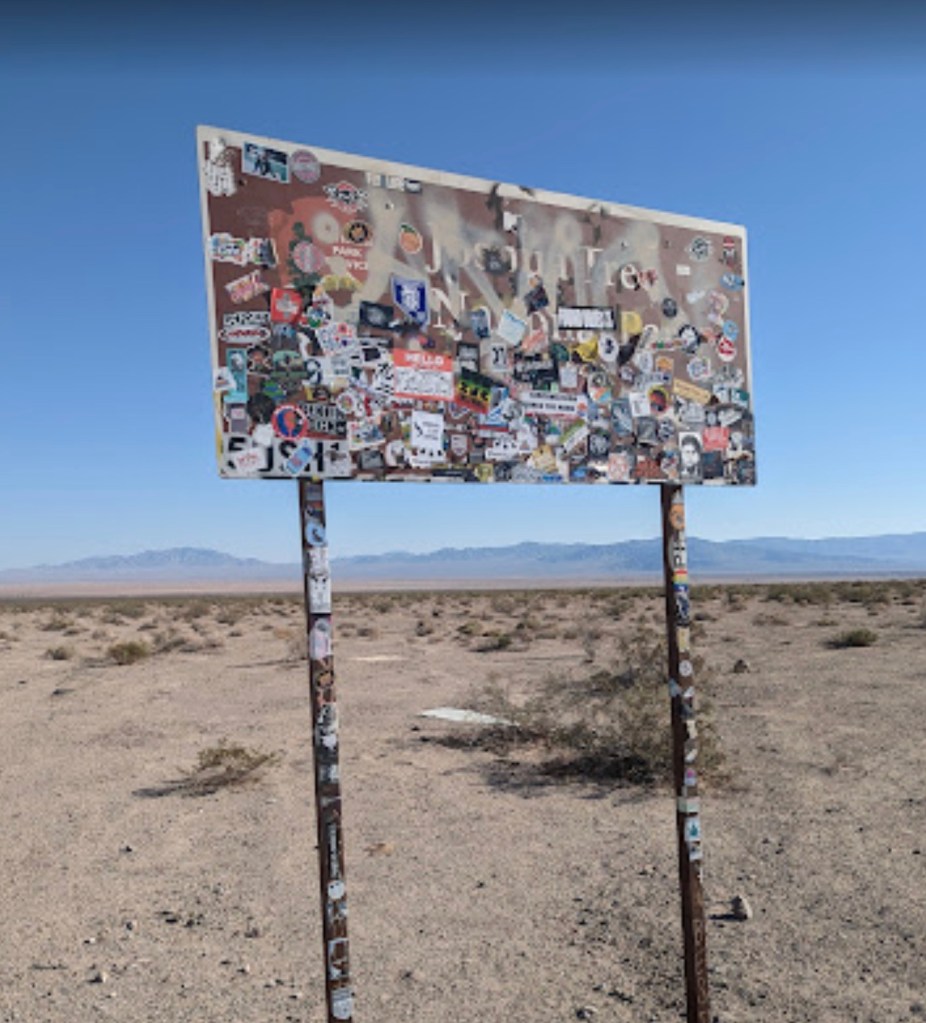
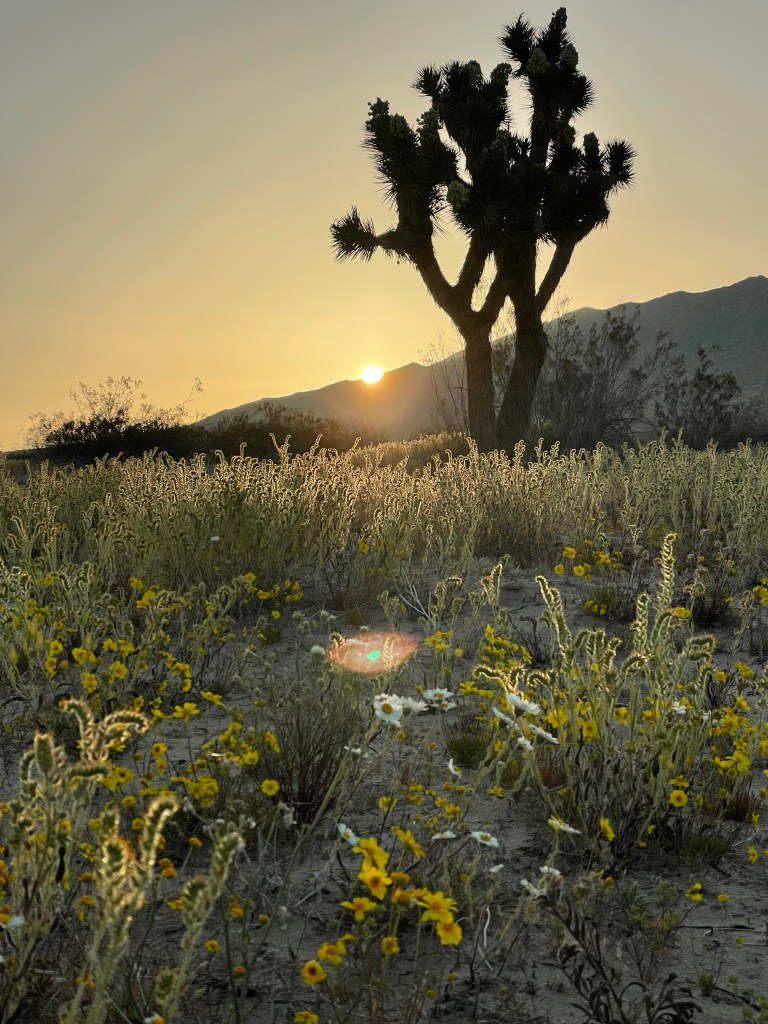
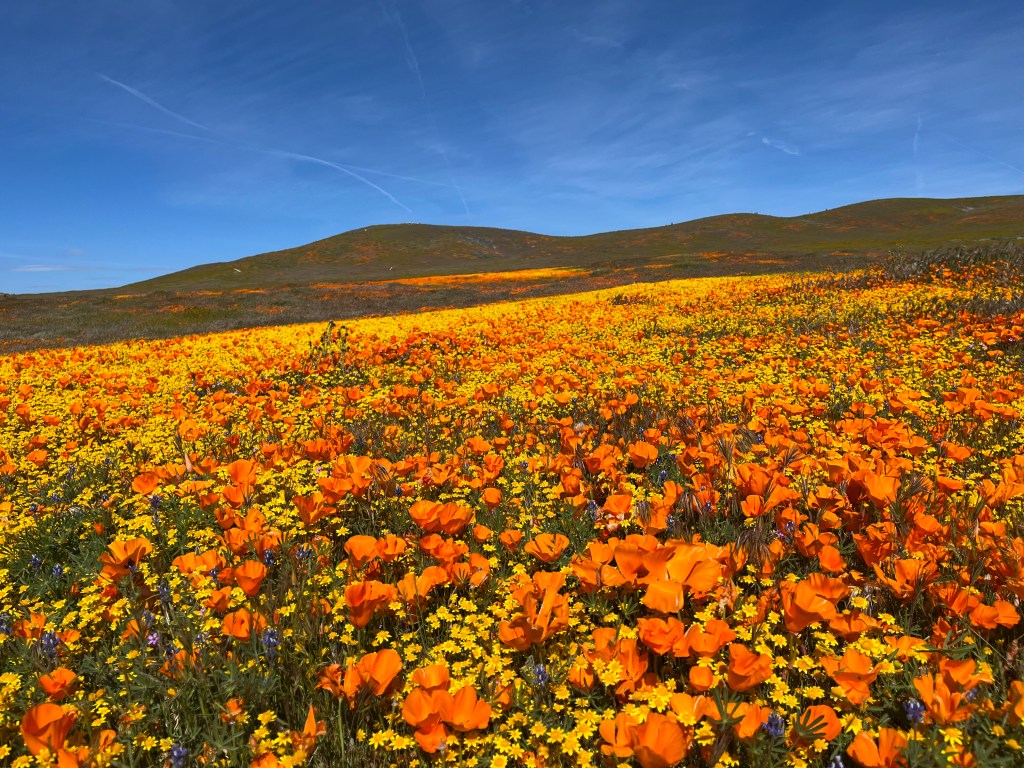
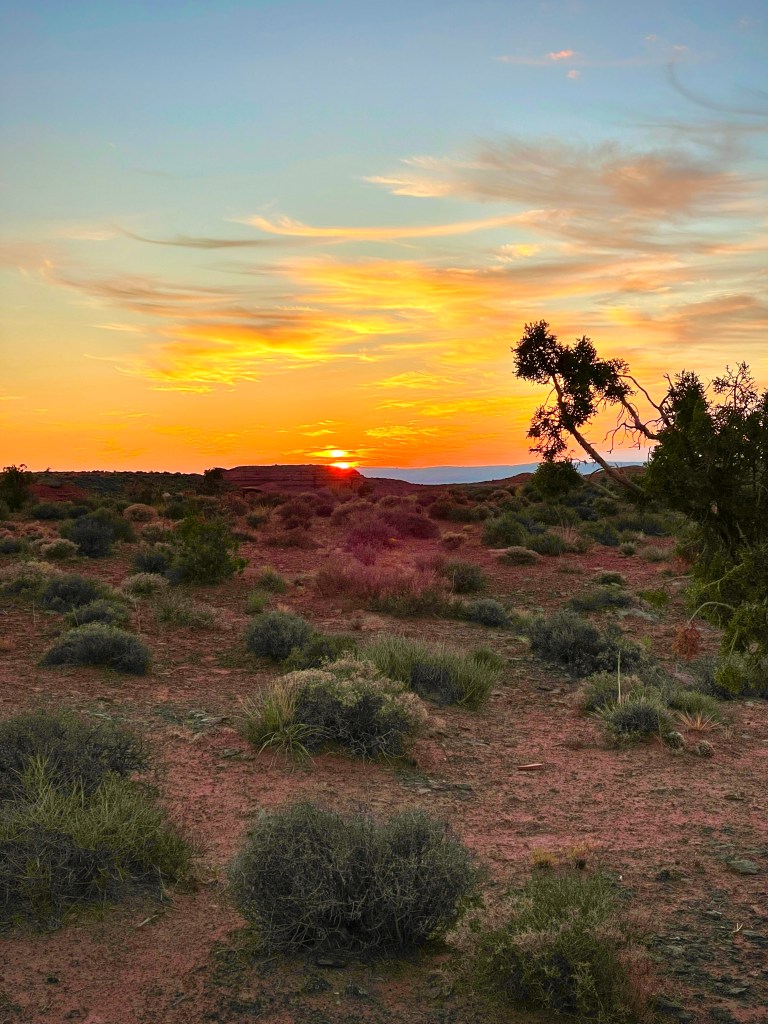
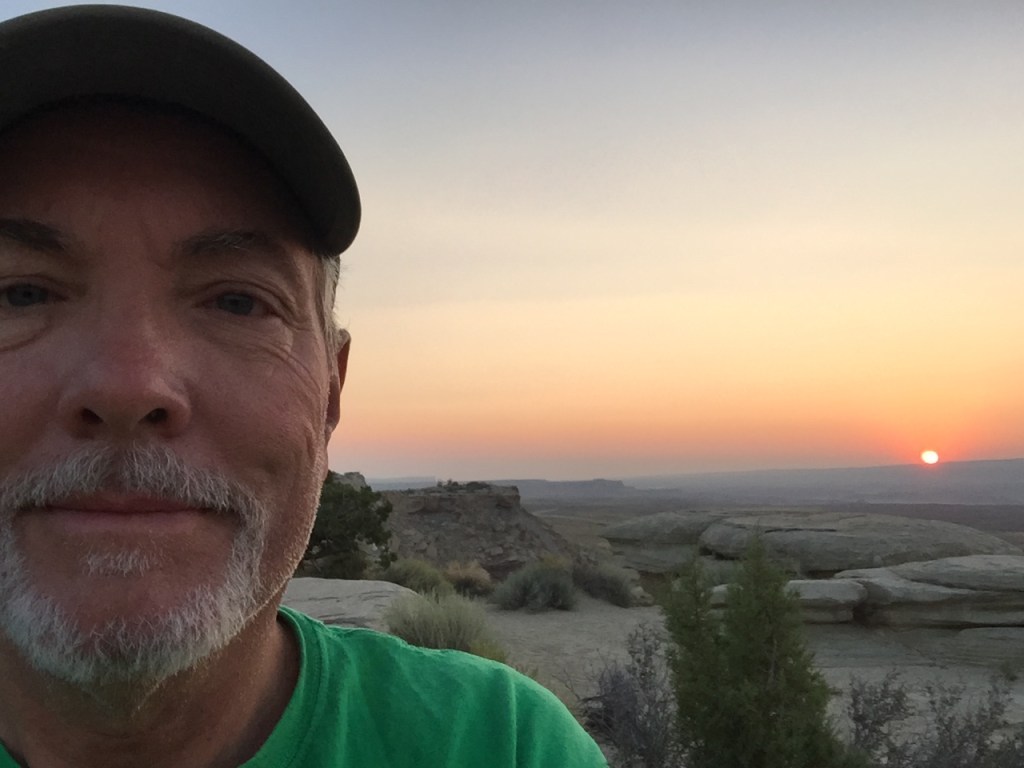
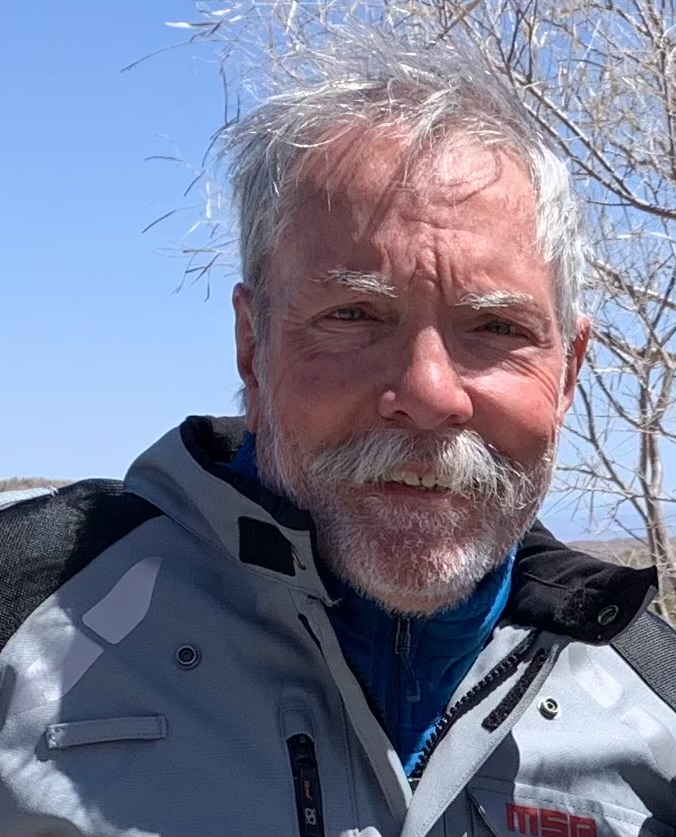
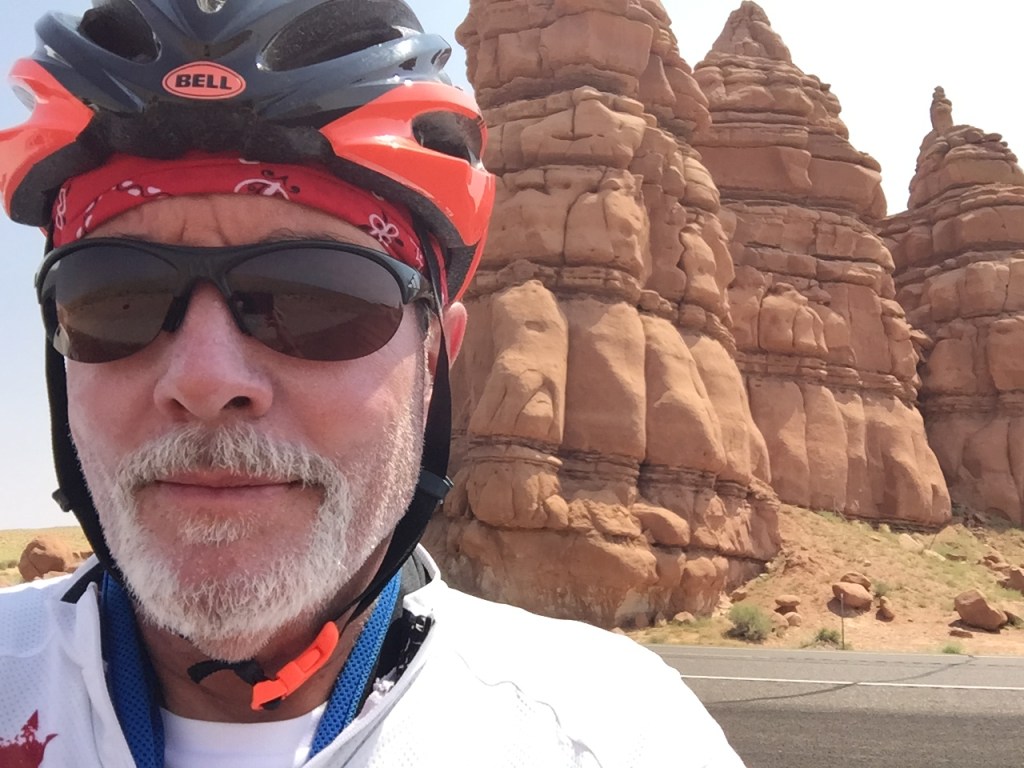
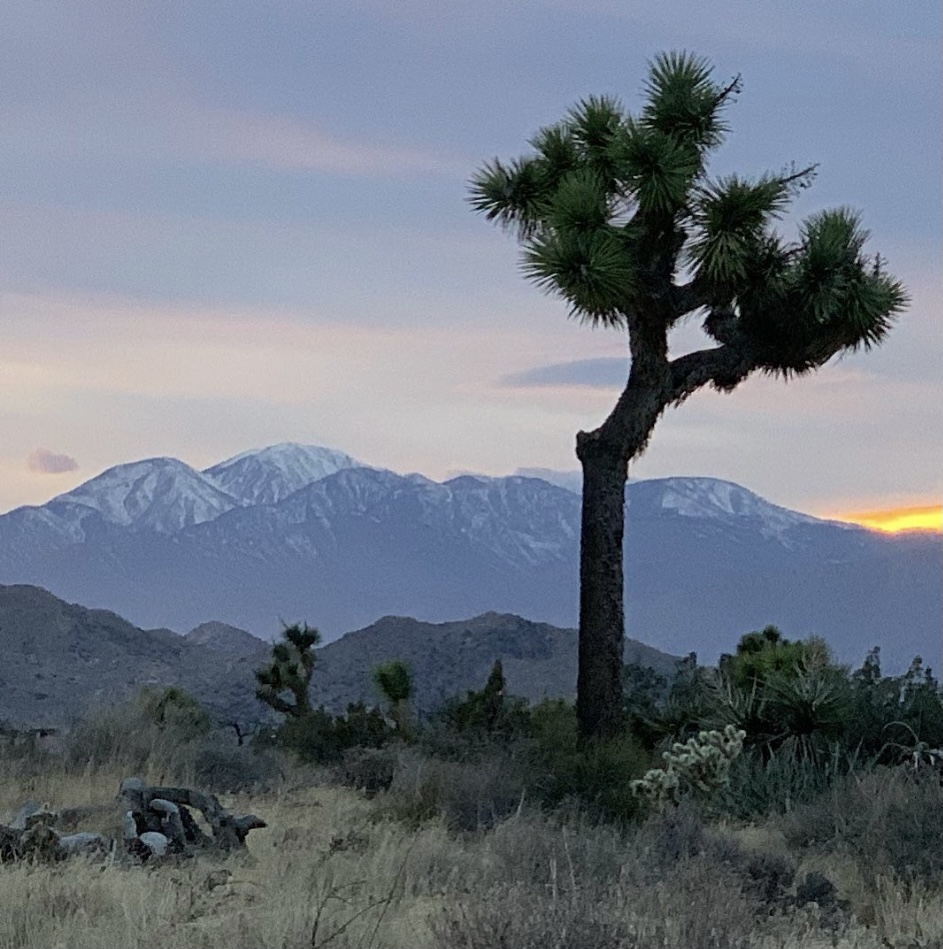
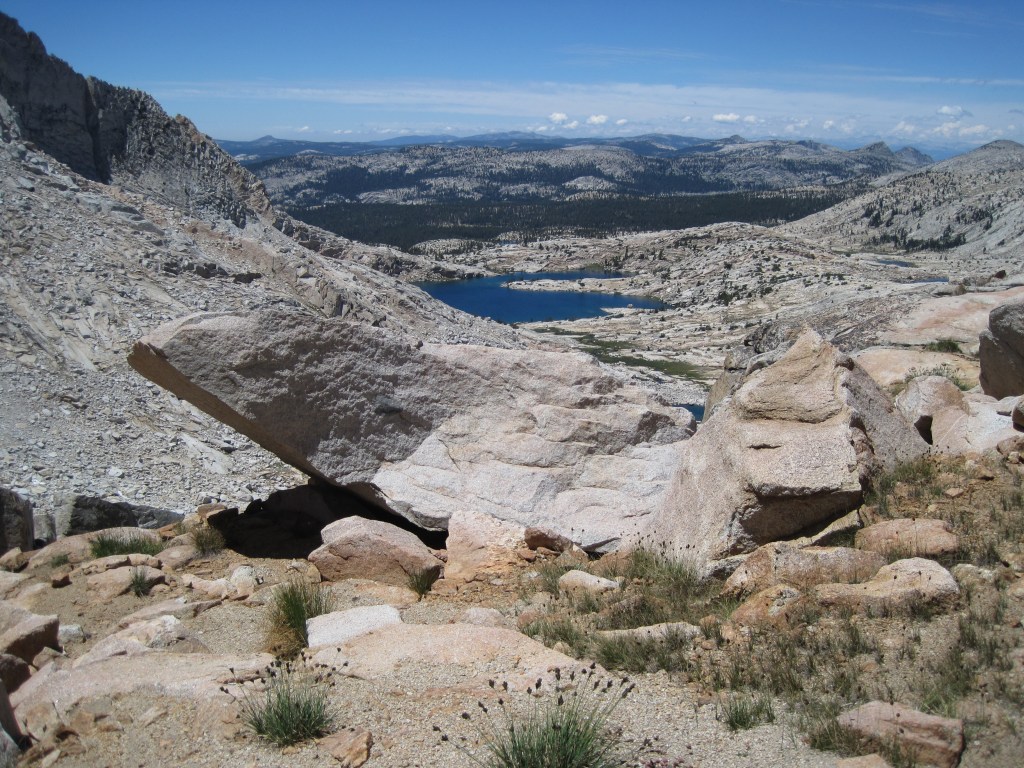
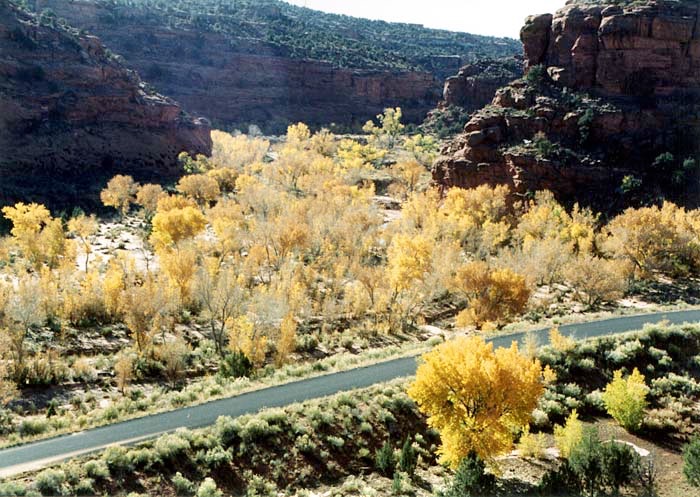
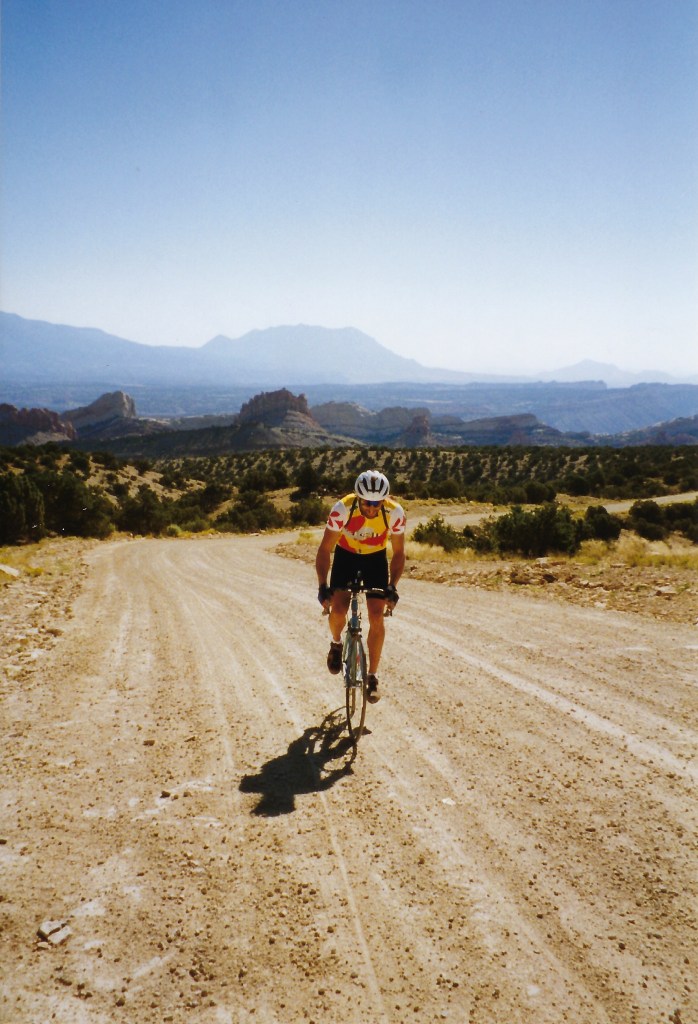
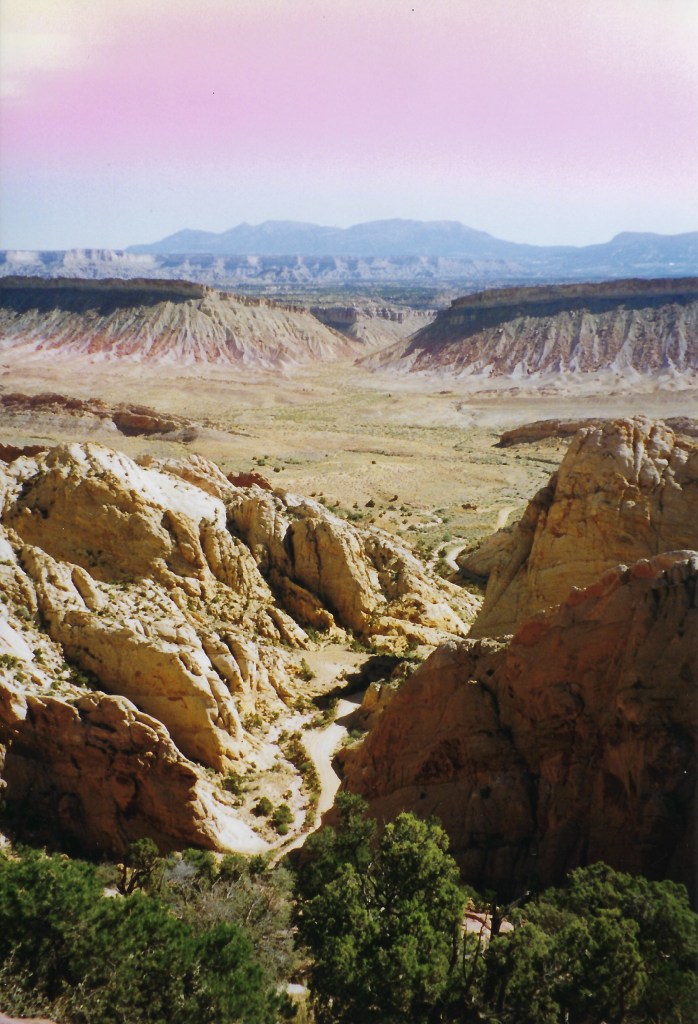
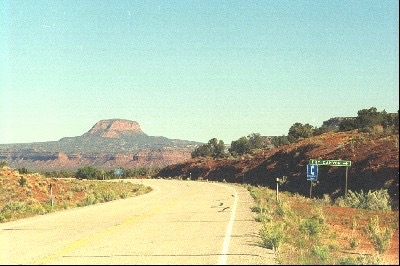
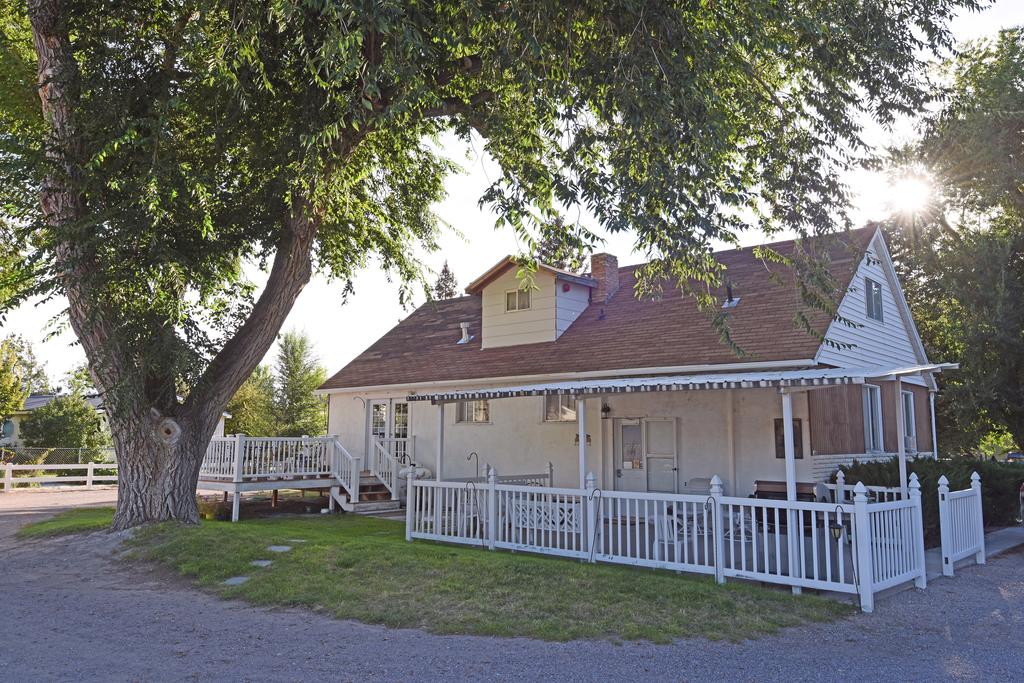
I can’t italicize the images.  They’re a handful of cherry picked pics from my travels to a few of the millions of acres of public lands affected by the bill.  The fact is that I enjoyed recreating in those public lands, and you know, lest we forget:

Let’s just be clear, the One Big Beautiful Bill Act is set to open up bidding on an enormous swath of outdoor recreation areas, wildlife habitat and other areas in order to meet an arbitrary sales quota—all so the Trump administration can lower taxes on the richest people in the country. This, in addition to drastic cuts to medicaid, the Supplemental Nutrition Assistance Program, and clean energy, the bill includes unprecedented language that would require selling off millions of acres of public lands to drive revenue in order to offset trillions of dollars in proposed tax cuts and address the nation’s $36 trillion debt.

The Deseret News a conservative Utah news publication quotes the Utah Public Lands Alliance president, Loren Campbell, skeptical of the bill’s intent, who said,

“Putting a land-sale package into a budget reconciliation bill that establishes the precedent of paying for giant tax cuts by selling off federal public lands is deeply concerning,” Carroll said. “Look to communities. They’re going to have their favorite mountain bike areas, their favorite open space or their favorite recreation areas sold out from under (them). I think it’s cold comfort to have Sen. Lee say, ‘Oh, it’s only three million acres, right?’”

For one of the clearest explanations of the One Big Beautiful Bill’s impact, I invite you to watch Lisa Dejarden’s piece on the PBS NewsHour from June 27, 2025:  Who gains and who loses under Trump’s big budget bill

No italics necessary…

June 28, 2025

No Italics Necessary: Boomers, Gen-Xers, and Steve Martin’s Ageless Appearance

From 5 to 70 light years, just like that!

How Photos, Their Subjects, and Technology Age

As a Boomer, I recently came across an interesting social media exchange about Steve Martin’s appearance. A Gen-X user had commented on how much Martin has aged compared to his younger days. This struck me as curious, since Martin has famously sported gray hair throughout most of his career. While contemplating this, I noticed a Gen-X FB friend replied that she thought Martin looked virtually unchanged since 1979. The ambiguity of this second comment intrigued me – was it a subtle compliment suggesting his timeless appearance, or a backhanded remark implying he’s always looked older than his years?

The current flood of “then and now” photo comparisons on social media stands in stark contrast to photography’s more deliberate past. I began to consider my photo archive from “then” and those “now.” One consideration was that before 2009’s smartphone revolution, taking a photo was an intentional act requiring some form of dedicated equipment, a modicum of skill, and patience.  

In the 1950s, the Kodak Brownie Hawkeye represented the everyman’s camera – a simple box that democratized family photography. The 1960s brought the Kodak Instamatic 110, which made the process more convenient but still required a ritualistic journey: shooting the roll of film, carefully rewinding it, taking it to a photo center, and waiting days for prints to return. Each frame was precious, as you had a limited number per roll and couldn’t preview your results.

The Polaroid camera’s arrival marked a revolutionary shift – the first “instant” photography that produced physical prints within minutes. Its self-developing photos seemed magical at the time, though the image quality often left something to be desired. Still, it offered the first taste of immediate photographic gratification that we now take for granted.

This history makes today’s endless stream of digital photos and instant sharing seem almost surreal in comparison. We’ve moved from carefully rationing 12 or 24 exposures per roll to having virtually unlimited capacity to capture and instantly share every moment.  Having social apps that enable downloading photos, whether original or those scrubbed from the internet, then memed, makes for sensory overload at times.

My first camera in 1978, a Pentax MX SLR, represented a serious commitment to photography in an era when “serious” meant investing in manual controls, interchangeable lenses, and 35mm film. The MX, introduced in 1976, was known for its compact size and mechanical reliability – a worthy first venture into serious photography until I discovered the camera, lenses, a tripod, and other necessaries, added significant weight to an already burdensome backpack.

Armed with my “serious” camera, I wasn’t really interested in developing film. While many photography enthusiasts romanticize the darkroom experience, the reality involved handling some notably hazardous chemicals. The process required developers containing hydroquinone and metol, fixers with sodium thiosulfate, and various other chemicals that we now know can pose significant health risks through skin contact and inhalation. The stop baths were essentially acetic acid solutions, and the various toners often contained selenium or other potentially toxic compounds. Contact sheets be damned!

The progression from those days to today’s digital imaging technology has not only democratized photography but also eliminated these chemical hazards from the average photographer’s experience. My Pentax MX represented a fascinating bridge between the simple point-and-shoot cameras of the mass market and today’s digital technology – a time when “serious” photography required not just technical skill but also a willingness to invest in both equipment and process.

I progressed from the manual Pentax MX to the Canon EOS Rebel marking a significant shift toward automated photography, even while still anchored in the film era. The Rebel series represented Canon’s push to make SLR photography more accessible, with its autofocus and automated exposure systems. Costco’s addition of CD digitization with film processing was an interesting technological bridge – one foot in the analog world of film, one in the digital future. Then along came a series of point-and-shoot cameras when a pic was needed in a snap.

The Canon DSLR that eliminated the hybrid workflow, bringing everything into the digital realm. The microSD storage meant no more waiting for processing, no more finite rolls of film, and instant review of results. Yet it made for continuing to carry dedicated photography equipment with interchangeable lenses, a tripod, and the use of manual controls when desired. One needed to continue to develop skills along with an “eye” for subject and composition with no guarantee of a quality photograph.

By 2007 the iPhone revolution, fundamentally transformed photography from a deliberate activity into an almost unconscious one. Gone was the need to:

  • Calculate exposure with light meters
    • Adjust aperture settings for depth of field
  • Choose film speed (ASA/ISO) based on lighting conditions
  • Carry an arsenal of specialized lenses, filters, and accessories like a tripod
  • Master the technical aspects of photography before getting decent results

The smartphone essentially democratized decent, if not good, photography, turning it from a skilled pursuit into a point-and-shoot affair with computational photography handling all the complex decisions behind the scenes. The best camera truly became the one you had with you – which was now always in your pocket, and for the adventurist, built in editing effects were available to enhance a decent photo into a good photo.

This shift hasn’t just changed how we take photos, but why and what we photograph. The iPhone era has transformed photography from documenting special moments to capturing and sharing every aspect of daily life, for better or worse as witnessed in sisyphusdw7.com.

The following photos represent a perfectly modest snapshot of photography’s great divide – the pre and post-iPhone era. In my collection of in excess of 35,000+ images, roughly 30±% originated from processed film, capturing decades of my life before 2009, while 68±% were born digital from my Canon SLR & DSLR eras. The fact that only 2% of my printed photos, approximately 210, have made the transition to digital format through scanning is a common modern dilemma.

This tiny 2% conversion rate speaks volumes about a challenge many face: thousands of printed photographs sitting in albums, boxes, or envelopes, waiting to bridge the analog-digital divide, especially those of the generation prior to mine. These physical photos represent a kind of trapped history – memories that with time are deteriorating. They can’t be easily shared, backed up, or integrated into our current digital life narratives, unless you consider sitting next to a digital scanner a celebration of freedom from “trapped history”.

The iPhone 3GS purchase in 2009 marks my clear transition point into the era of ubiquitous photography. Unlike the carefully rationed shots of the film era or even the more abundant but still deliberate photos from my SLR and DSLR period, the 3GS ushered in an age where every moment could be casually documented, no development or downloading required, and continues through an iPhone 7 to my current iPhone 12 Pro. It took documenting student tours of Washington, D.C. and the Big Apple, a growing family, and a few adventures pre and post-retirement to familiarize myself with the ubiquitous “better or worse” instant capturing of life.

This technological evolution has created an interesting archival split: pre-2009 memories requiring physical storage and preservation, while post-2009 photos exist primarily as digital files, easily shared but potentially vulnerable to different kinds of loss or degradation.

This collection of images tells an interesting chronological story through different photographic eras and styles. 

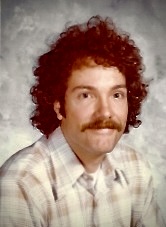
The top row starts with the iconic “What, Me Worry?” Alfred E. Neuman MAD Magazine illustration that sharpened my appreciation of absurd humor. Followed by what is a late 1950s black and white studio portrait of a young Sisyphus in a plaid shirt – taken with the type of formal photography equipment and style common in that era. The third image shows the distinct style in 1979 with longish curly hair and mustache, having that slightly soft focus quality typical of school portrait photography of that period.

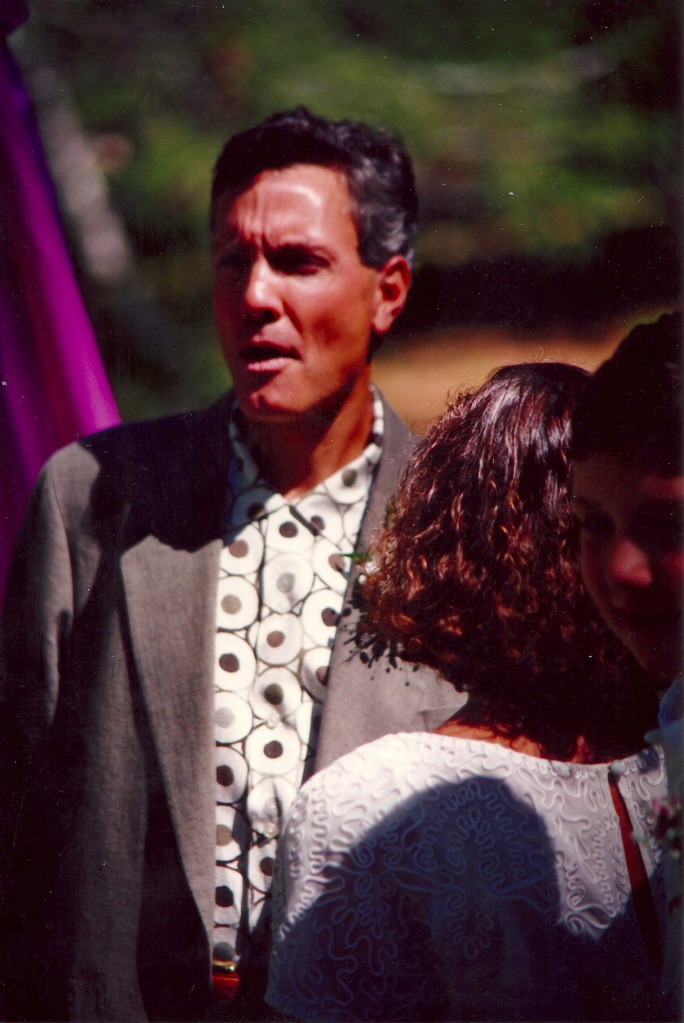
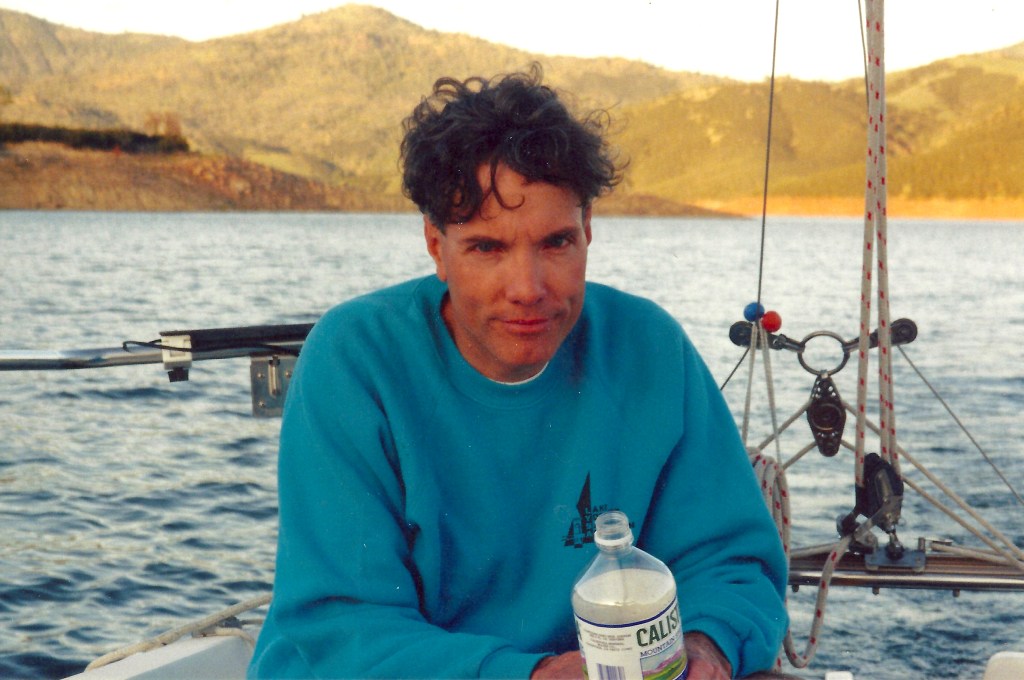
The middle row captures the 1980s/early 90s sailing style with vibrant colors (the red Pataguchi fleece by the water, the patterned wedding shirt in the middle shot, and the teal sweatshirt complete with LYSA logo). The photo quality and color saturation indicates they were taken with higher-end film cameras of that era.

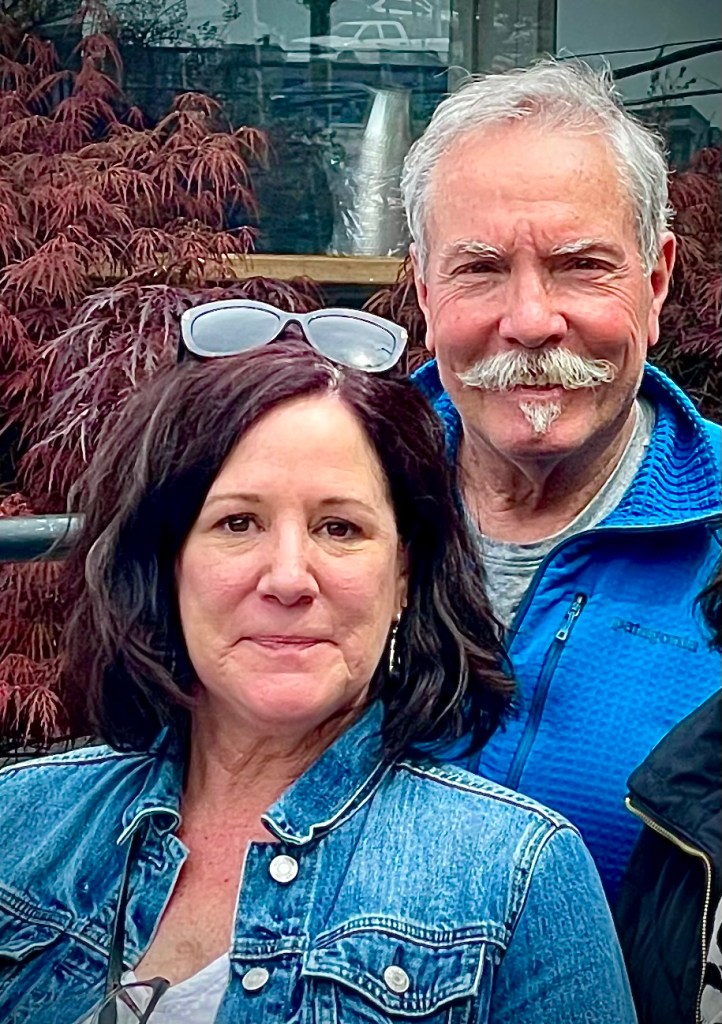
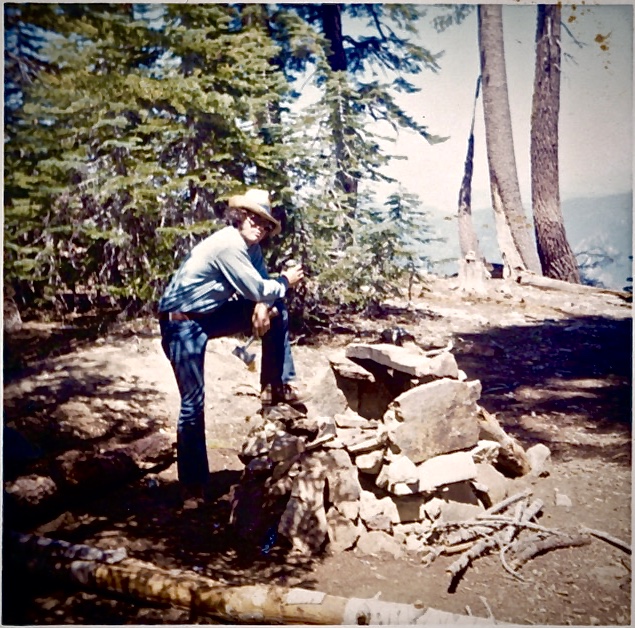
The bottom row shows the progression into the more recent digital era, with increasingly sharp image quality rendered by 35 mm point-and-shoots. The cycling gear shot from a Fuji Discovery Tele, the outdoor backpack photo with the sun hat taken with a Cannon Powershot, and finally what is a recent smartphone-captured image with excellent detail and dynamic range, showing a Sisyphus and the Mrs. in casual outdoor wear.

The second uploaded image pair shows a recent photo in what appears to be a geezer, just sayin’, juxtaposed with “The Dude” meme from The Big Lebowski with its profound message about aging – a fitting bookend to my photographic journey that started with the Alfred E. Neuman’s OG meme. A reminder that I need not obsess about age as long as I keep my foot on the rock and pat my foot, don’t stop, put my foot on the rock…

Mt. Raymond circa 1973

Lydia Pense circa 1973

No Italics Necessary: 1884, A Thought Experiment by the Numbers

It has risen and set pretty regularly…

In June 2024, I will celebrate my 70th birthday. Seventy revolutions around the sun (years) and 365.25 x 70, 25575.5 earth rotations (days) since my birth in 1954.

In the year of my birth as a native son, 1954, the population of California was 12.75 million (June 1954).

My birthplace, the city of Merced’s population in 1950 was 15,144. This figure represents a 49% increase from 1940 to 1950. It’s reasonable to assume at a ~5% growth rate, Merced’s population in 1954 was around 17,500(+/-).

I’ve randomly chosen three events of some importance that occurred in 1954 America:

1. U.S. tests hydrogen bomb at Bikini Atoll

2. The Supreme Court rules on Brown v. Board of Education, stating that segregation in public schools is unconstitutional

3. Joe DiMaggio wed Marilyn Monroe

Out of curiosity, I wondered what was going on, seventy years prior to my birth, back in 1884 America:

1. The Statue of Liberty was unveiled and dedicated by President Grover Cleveland.

2. Huckleberry Finn was published by Mark Twain.

3. The Washington Monument was dedicated in the Nation’s Capitol.

140 years of water under many bridges.

What will three noteworthy events might be listed in 2024?

1.

2.

3.

Go out on a limb and speculate what three events might occur in 2094, seventy years hence

1.

2.

3.

Happy Birthday fellow 70-year-olds-in-2024!

No Italics Necessary: The Tour de Life – A Tribute to Our Dear Friend, Larry Johnston

When We Were Younger: Recap Tour de Ute, 1997

I’ve decided to continue the tribute to Larry in both his words from the itineraries he provided pre-ride and my commentary when synapses are activated to recall my personal experience as the ride unfolded.

Tour de Ute 1997

The Burr Canyon

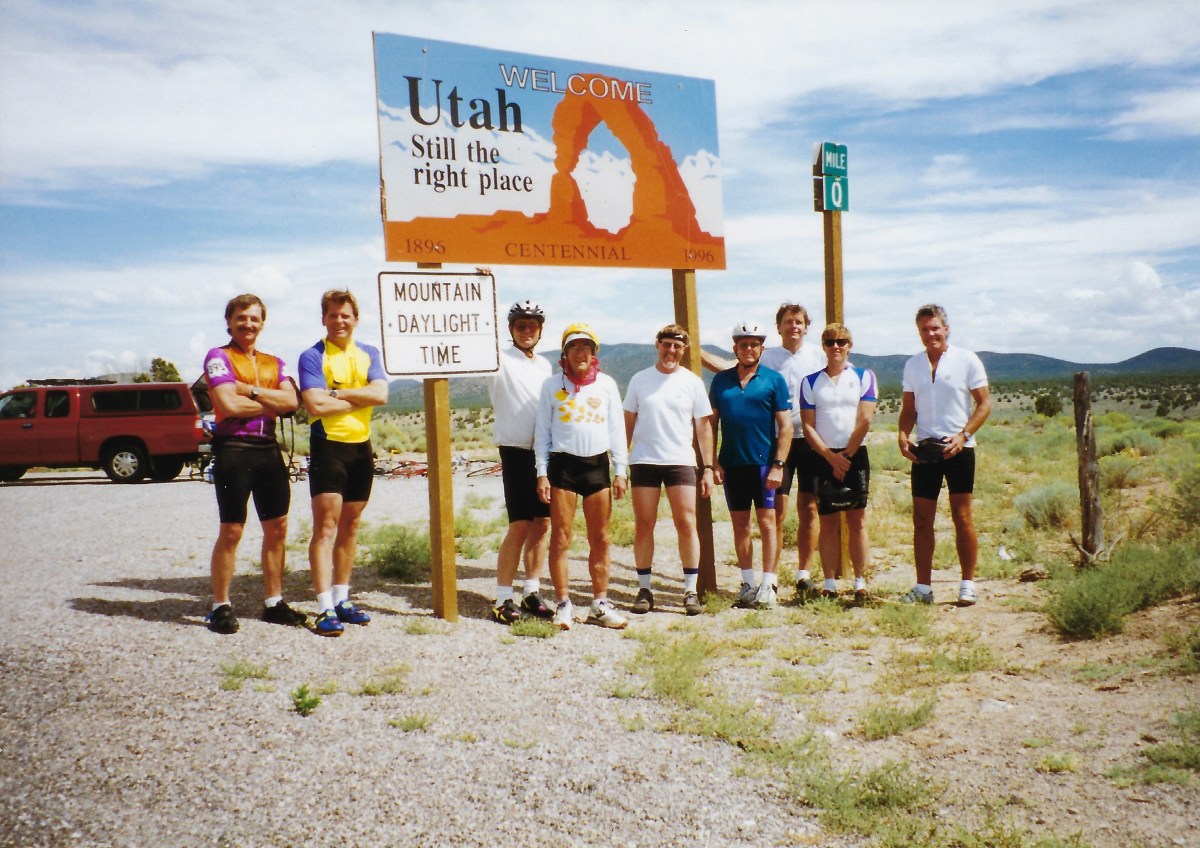
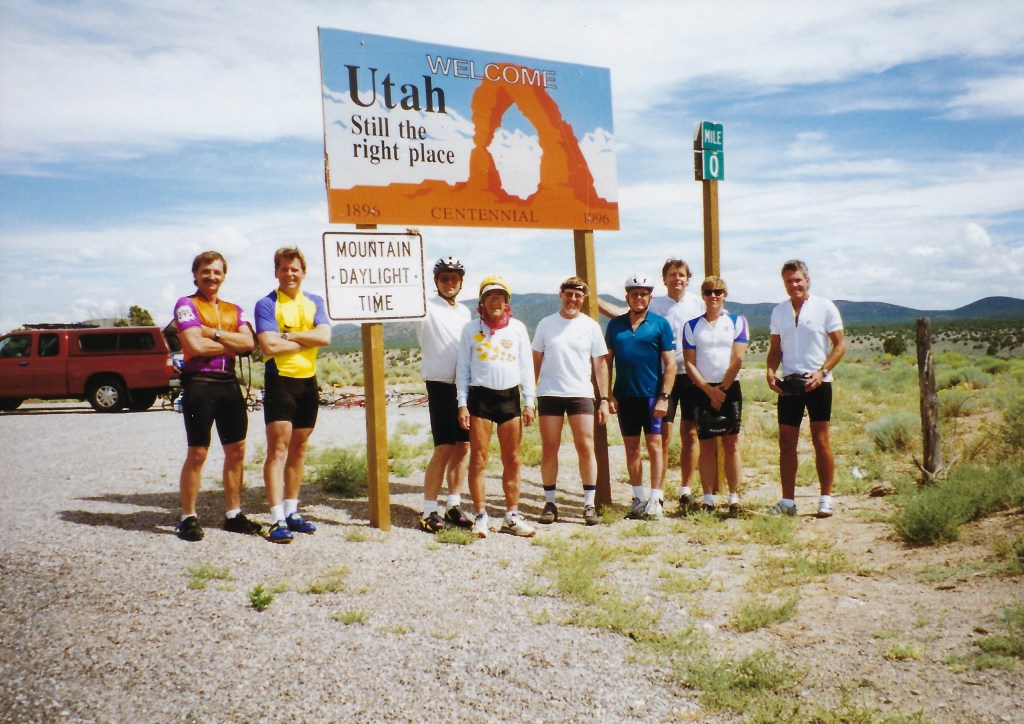
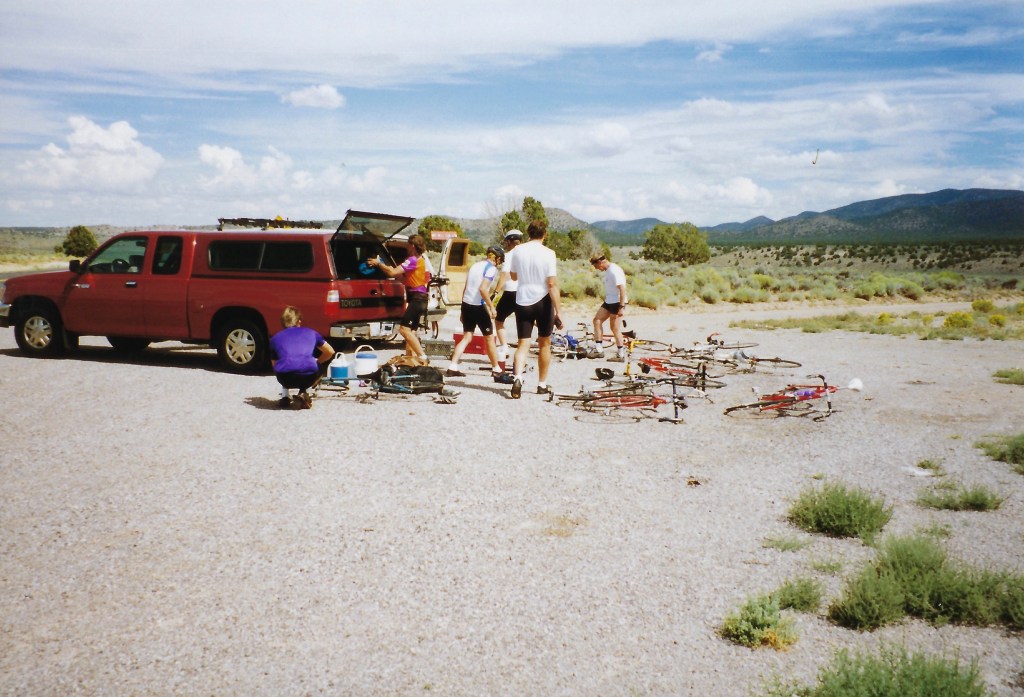
August 12 – 17 1997 4.5 days cycling L-R Larry Johnston, Lance Vaughn, Chuck Satterfield, Don Lundberg, Chuck Thuot, Richard Vaughn, Glen Rothell, John Holbeck, Coucou, c’est moi !, and Ron Burien (taking the photo)

In this first episode of Part 2, I’m going to use Larry’s detailed itinerary that follows and that we all received prior to the ride. I only hope the correspondence that Larry and I had prior and post ride are in some box in the garage that my wife insists that I toss. These notes are postmarked 25 Mar 1997, Mojave, CA.

Tour De Ute “Toor do ü-tay”

When: August 12-17 1997 (Tuesday, Wednesday, Thursday, Friday, Saturday, Sunday); 4.5 days cycling.

Where: Across Utah State beginning at Uvada (about 150 miles northeast of Las Vegas), ending at the Utah-Colorado border near Hovenweep National Monument. Best map: “Indian Country” by AAA. [ed. note: maps were those origami paper things that preceded GPS]

Sag Vehicles: Glen’s Suburban, John’s Tundra

Day 1: Travel to Panaca, Nevada for 1:00pm rendezvous; proceed east in sags on Hwy 319 to NV-UT border at Uvada (el. 5,500’±) and ride via Hwy 56 to Cedar City (el. 5,600′). Stay that night at the Super 8 (#30± per person). Distance: 58 miles

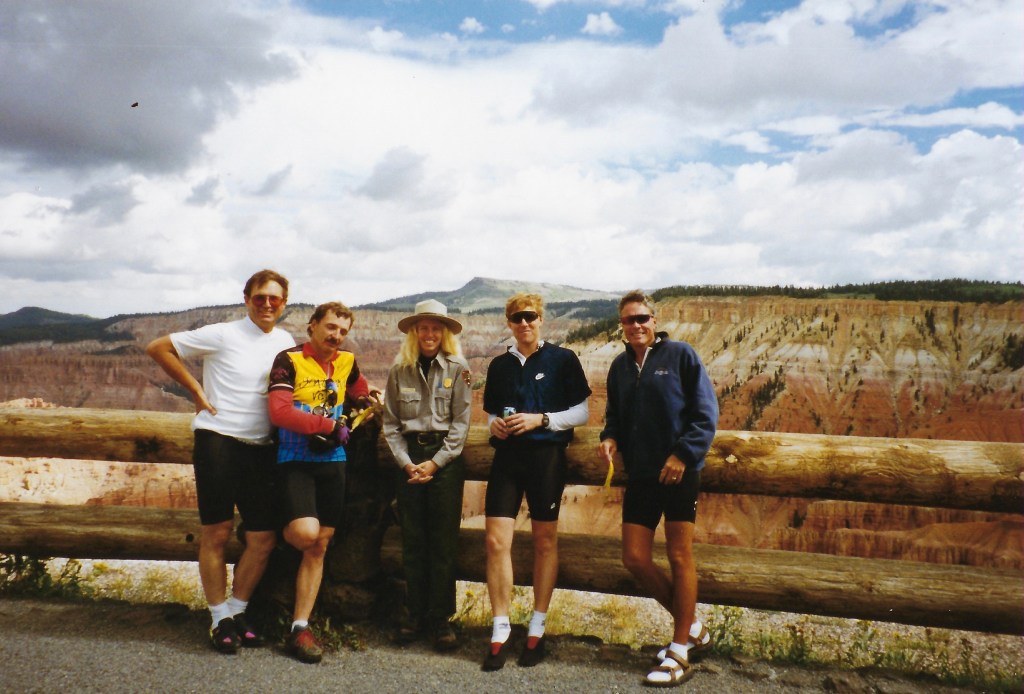
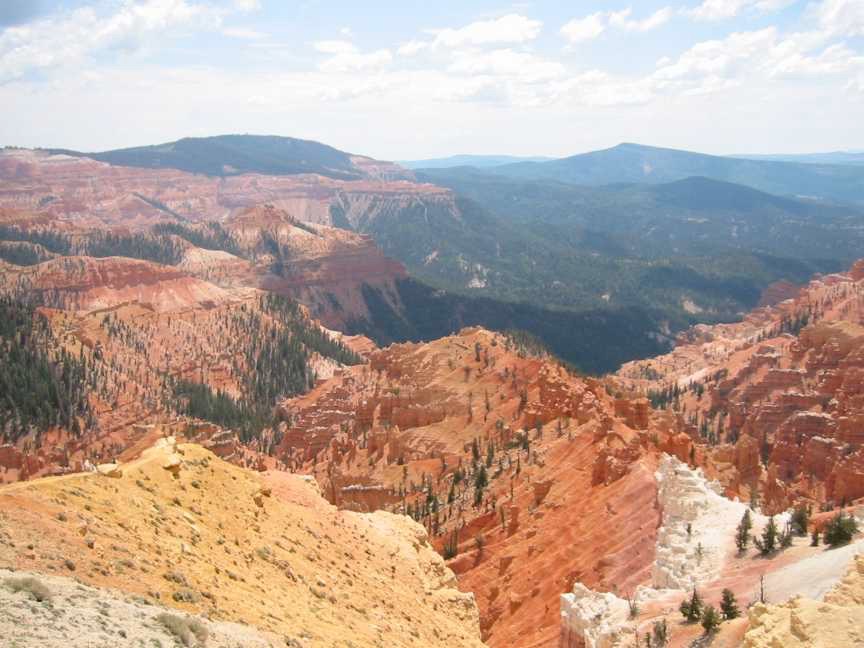
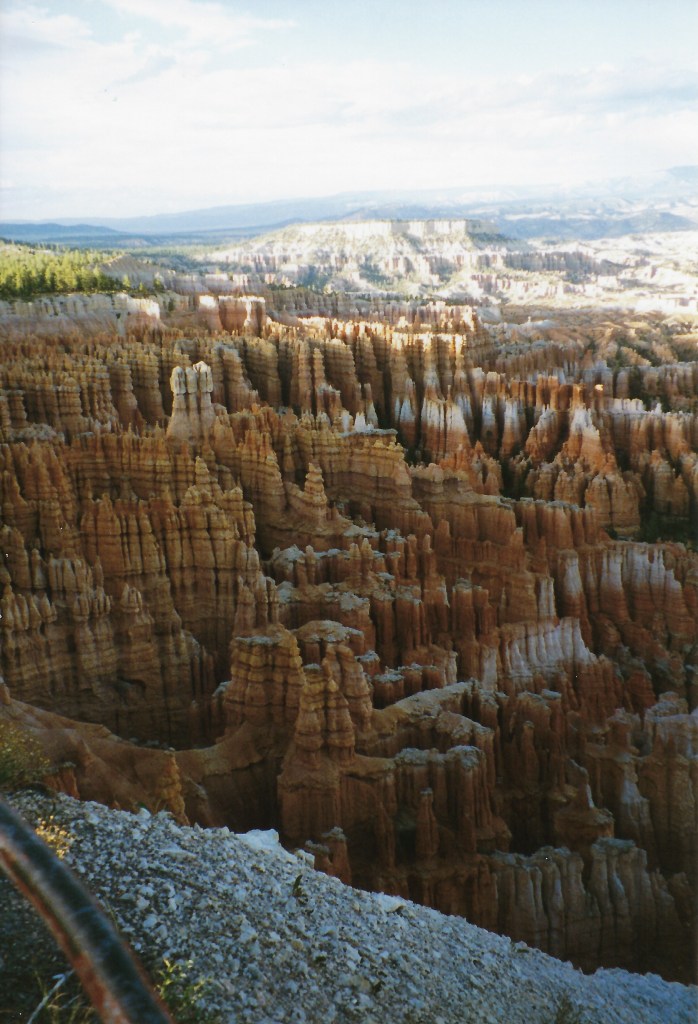
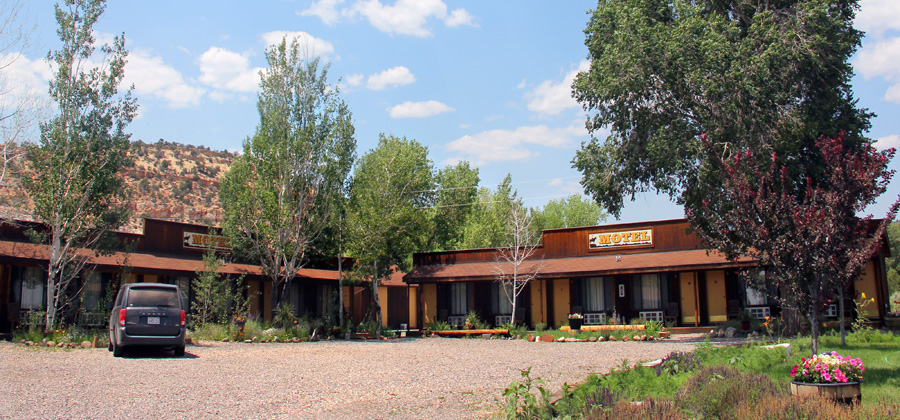
Day 2: Ride Hwy 14 east and up, up, up to Midway Summit (el.9,896′) – a definite “Vaug-han”. Check out nearby Cedar Breaks National Monument. Proceed down then up to Long Valley Junction (el. 7,900’±). Turn North on Hwy 89 to Hwy 12. Ride east on Hwy 12 through the tunnels, over the “summit” (el.7,619) to Bryce near Bryce Canyon National Park – stay that night at the $30±/person Fosters Motel (you know, Al Foster’s place). Distance: 70 miles (don’t you love it?). Terrain: Big climbs, big descents; watch out for tourists.

Bryce Canyon

Day 3: Follow Hwy 12 east and north through Escalante and the new national park to Boulder (el. 5,000′?). Stay at Pole’s Place$25±/person. Distance: 72 miles (don’t you love it even more?). Terrain: Up and down and all around; time to play…

Day 4: A short cut’s in store, who could ask for more? Ride east from Boulder on the “Burr Trail” and shuttle the 20± miles through Capital Reef National Park. Ride south to the ferry at Bullfrog Basin; swim or take the ferry across Lake Powell ($9/car – free/swim) before heading east on Hwy 276 where the day’s adventure can end at Hwy 95. Shuttle northwest on Hwy 95 to the only place to stay for miles, the Fry Canyon Lodge (it’s near Natural Bridges Monument); maybe $40+ a piece… it ain’t cheap. Distance: 103 miles not counting the shuttles and ferry; bring paddles/swim suit. Terrain: the Lake Powell crossing will be flat.
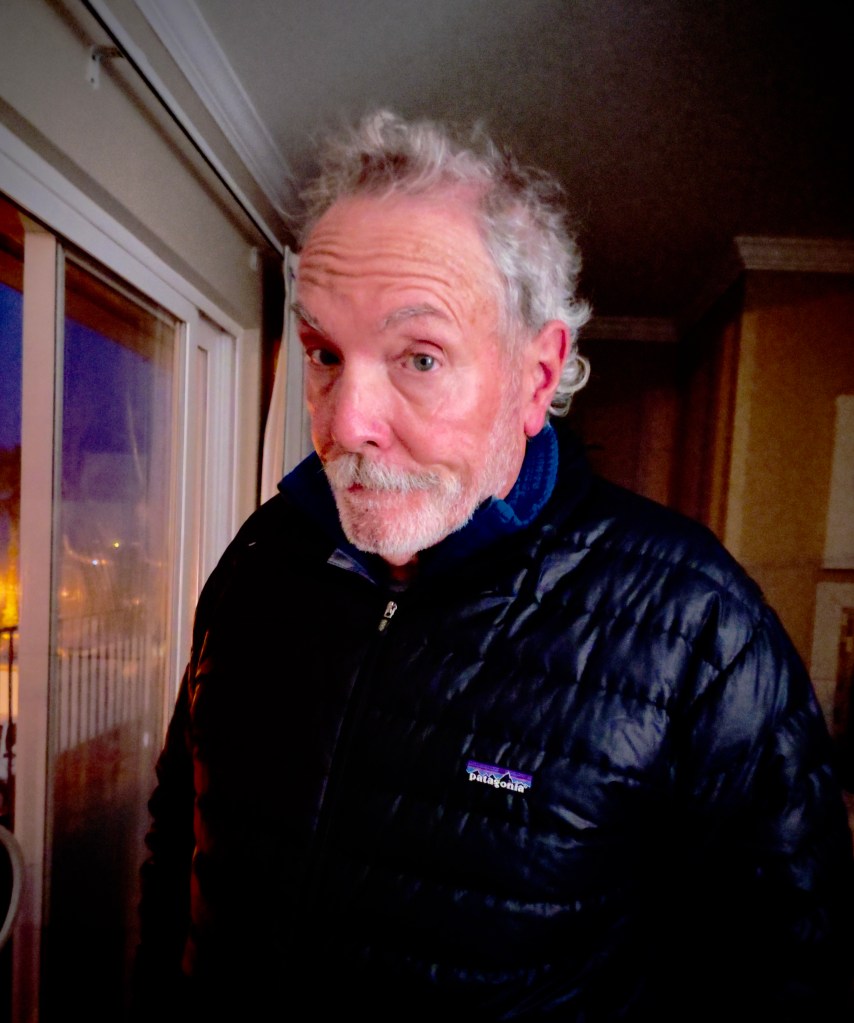
“Some parts of ALL the rides leave edible memories, but that morning in Utah riding with you (…we were first out together) when we both dropped in to the entrance of that canyon on the Burr Trail was, for me anyway, perhaps the most ‘spiritual’ moment I’ve ever known in a wilderness setting (… and that’s after traveling on all 7 continents). At that moment I felt like I shouldn’t even speak so as to not desecrate experience. I remember us stopping and observing with profound awe at our stunning surroundings without a word be said between us…. thanks for being there !!” Chuck Thuot from a conversation prior to his passing…

Day 5: Spin 12 easy miles back to Hwy 276 and continue east on Hwy 95 past the Natural Bridges cutoff (Hwy 275), the Mule Canyon Ruins, the Arch Canyon Ruins, and the Butler Wash Ruins to Hwy 191 at Blue Mountain (el. 6000’± just south of Blanding. Take Hwy 191 south to White Mesa. Turn left (east) on Hwy 262 for a while (9± miles) then take the road that leads to Hovenweep National Monument (more ruins) on the UT – CO border. Pack ’em up and head south and west through Monument Valley, Page, and Zion National Park to St. George or thereabouts. Find a place to stay… Distance: 93 miles, it’s more or less 396 miles total. Terrain: It’s probably all paved… rock and roll, watch out for Navajos.

Day 6: Return to place of origin.

Communication was as important to Larry as the planning and logistics. What follows is an update received postmarked 05 August 1997 Mojave, CA:

All is in a go mode for les Tour! There are 11 participants. The sag vehicles will be provided by John Holbeck (south vehicle) and Glen Rothell (north vehicle). Sag drivers pay no gas.

Logisticas are looking like this:

On Monday the 11th, Lance vaughan will proceed to Waterford from the Bay Area with his bike, John Adam’s bike (John A. please coordinate with Lance on bike transport) and probably Chuck Thuot, but not his bike (Chuck T. may find his own way to Waterford; Chuck, please coordinate with Lance and Richard). They will rendezvous with Richard Vaughan (of “Vaug-han” fame) and Don Lundberg at Richard’s house in Waterford, hopefully around 4 pm.

Leaving Richard’s house at 4:30 pm, they will proceed (with 4 bikes and gear) to Crane Flat where they will meet Glen Rothell and Tom Jones at 6:30 pm. Tom Jones (from Merced) will have earlier joined with Glen Rothell in Mariposa and helped prepare Glen’s Suburban with racks for 8 bikes (Tom and Glen please coordinate departure from Mariposa to be at Crane Flat by 6:30 pm). Richard’s vehicle (or whoever’s) will be left at Crane Flat, all proceeding to Larry Johnston’s house in Mammoth Lakes, arriving around 8:30 pm; all will stay the night at Larry’s house (voulez-vous acouches avec moi?)

On Tuesday the 12th Chuck Satterfield (from Mammoth) will arrive at Larry’s at 5:30 am and join the rest of the north contingent in leaving Mammoth Lakes no later than 6am. Breakfast will be enroute, maybe in Tonopah. The north group will arrive around noon at Panaca, NV. There’s a small restaurant on the southeast corner of the intersection of Hwys 93 and 319. Lunch and rendezvous with the southern contingent will be there.

Meanwhile on Tuesday morning, John Holbeck and Ron Burien will leave (with 3 bikes; John H. will be be bringing a bike for Chuck T. along with extra bike shoes) from Calimesa in time to get to the Las Vegas airport by 9:25 am. This is the time John Adam’s plane arrives from the Bay Area. From Las Vegas, they will proceed to Panaca and meet the north contingent at the restaurant on the corner of Hwys 93 and 319. After lunch all will proceed to the UT border and bike to Cedar City as planned.

The Pine Tree Inn and Bakery, Panaca, NV

There are a couple of notes on the remainder of the trip:

First, the 2nd day’s route will be slightly different. Instead of continuing on Hwy 14 from Cedar City to Long Valley Junction, the route will turn north on Hwy 148 at Midway Summit through Cedar Breaks National Monument and then on Hwy 143 to Panguitch. From there, it will proceed south on Hwy 89 to Hwy 12, then to Bryce.

At Bullfrog Basin (at Lake Powell), the ferry supposedly leaves on the odd hour; 9, 112, 1, etc.

Lodging has been reserved on Saturday the 16th for 11 people at the Best Western Travel Inn in Saint George (Exit #8 from I-15). There will be 3 – 3 bed rooms and 1 – 2 bed room; around $30 per person.

The south and north vehicle people have each been asked to provide a large water container (5+ gallons), bike tools, two ice chests and a floor pump. The south vehicle has been asked to provide an extra set pf wjee;s (one front, one rear). A CB radio will be available for each vehicle at Panaca (via Larry).

For the north vehicle, baggage space will be at a premium; please go light.

Any questions, please call. Au revoir mes amis!